How to Propagate Joseph's coat?
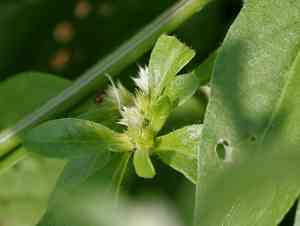
Iresine herbstii is most effectively multiplied via cuttings throughout the warmer periods of spring and summer. Typically, its propagation presents a moderate level of challenge. Indicators of successful propagation encompass fresh development and the establishment of roots. Crucial advice: Employ a potting blend that drains efficiently for the best outcomes.
What Is the Best Time To Propagate Joseph's Coat?
Propagation Type
Cutting
Propagation Season
Spring, Summer
What Tools Are Used in Joseph's Coat Propagation?
Pruning shears or sharp scissors
These implements are vital for obtaining cuttings from joseph's coat. They facilitate a clean, angled cut just beneath a node, which is crucial for minimizing infection risk and ensuring rapid recovery for the parent plant. Sharp blades reduce damage to both the parent and the cutting, boosting propagation success.
Rooting hormone powder or gel
Applying a rooting hormone to the severed end of the joseph's coat cutting can significantly enhance root formation. The hormone stimulates root growth at the cut site and can help ensure a higher success rate for cuttings to establish roots.
Small pots or planting trays
After preparing the cuttings with pruning shears and applying rooting hormone, they must be placed into an appropriate growing medium. Small containers or planting flats filled with a sterile potting mix or a soilless substrate like perlite or vermiculite offer an ideal environment for joseph's coat roots to develop free from soil-borne diseases.
Clear plastic bags or humidity domes
These items aid in maintaining a moist atmosphere around the joseph's coat cuttings, which is essential as cuttings lack roots to absorb water immediately. A high humidity environment also lessens water loss through the leaves, ensuring the cutting remains hydrated until it can develop its own root system.
Heat mat (optional)
For joseph's coat, a consistent and warm temperature can promote quicker root development. A heat mat provides warmth from below, which can be advantageous, especially when propagating in cooler conditions. It maintains a stable temperature, vital for the health and viability of new cuttings.
Watering can or spray bottle
These instruments are used for gentle irrigation or misting of the joseph's coat cuttings. They ensure that the cuttings and their medium remain moist but not saturated, which is critical for preventing rot and encouraging healthy root growth.
How to Propagate Joseph's Coat?
Propagation Type
Cutting
Difficulty Level
Easy
How to Care for Your Newly Propagated Joseph's Coat?
How to Care for Your Newly Propagated Joseph's Coat?
Following propagation, joseph's coat requires consistent moisture, particularly during dry spells, to keep the soil slightly damp. It thrives in full sun to partial shade and benefits from regular feeding during its active growth phase. Ensure proper drainage to prevent root rot. Pinch back tips to encourage a bushier form and remove spent flowers to promote further blooming. Protect joseph's coat from frost, as it is sensitive to cold temperatures.
Common Mistakes to Avoid When Propagating Joseph's Coat
Overwatering cuttings
Excessive water can cause joseph's coat cuttings to decay before they can establish roots. Waterlogged soil lacks sufficient oxygen, leading to the proliferation of fungal diseases and ultimately, the demise of the cuttings.
Insufficient humidity
Failing to maintain adequate humidity around joseph's coat cuttings can lead to dehydration. Joseph's coat, like many tropical plants, thrives in moist conditions, and without proper humidity, cuttings may wilt before rooting.
Excessive fertilizer
Applying too much fertilizer can damage the delicate roots of joseph's coat cuttings or seedlings. Over-fertilization can result in a toxic accumulation of salts in the soil, which can harm young plants and hinder their growth.
Ignoring light requirements
Joseph's coat needs bright, indirect light for optimal growth. Placing cuttings in direct sunlight can scorch them, while insufficient light can lead to weak, elongated growth.
Using diseased or weak cuttings
Propagating joseph's coat from unhealthy or feeble parent plants can yield poor outcomes. Such cuttings may lack the vigor needed to establish new growth and are more vulnerable to pests and diseases.
Tips For Propagating Joseph's Coat
Sterile equipment
Utilize clean, sanitized tools when taking cuttings from joseph's coat. This prevents disease transmission and ensures the healthiest start for the new plants.
Adequate cutting size
Ensure that cuttings taken from joseph's coat are of an appropriate sizeâneither too small nor too large. A cutting that is 4-6 inches long with several leaves typically roots well and possesses enough stored energy to survive the propagation process.
Soil medium
Prepare a well-drained yet moisture-retentive soil mix suitable for joseph's coat. A blend of peat, perlite, and sand often provides an ideal balance for rooting cuttings.
Indirect sunlight
Position joseph's coat cuttings in a location where they will receive ample bright, indirect sunlight. Sufficient light is crucial for encouraging the development of new roots and shoots.
Proper watering
Water joseph's coat cuttings when the top layer of soil feels dry to the touch. Ensure that the soil remains moist but not waterlogged, to support root development without risking rot.



