How to Prune Joseph's coat?
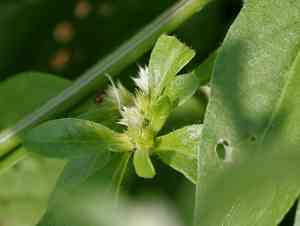
Joseph's coat, a lively decorative plant, thrives with vivid leaves in locations ranging from full sun to partial shade. Consistent trimming is essential to preserve its form, encourage a denser habit, and eliminate any deceased foliage. The most effective time for cutting is from early spring through late autumn, aligning with its period of vigorous development. This practice improves air circulation, lowers the chance of illness, and stimulates the creation of brilliant leaves in this particular plant. Ensure tools are disinfected to avert contamination. Minor shaping can be performed during the entire growing period for visual appeal.
What Are the Benefits of Pruning Joseph's Coat?
What Are the Benefits of Pruning Joseph's Coat?
Trimming joseph's coat encourages vigorous development, ensuring it stays dense and compact. By eliminating overgrown stems, joseph's coat will retain its decorative form and continue to thrive, boosting its overall garden appeal.
What Is the Best Time for Pruning Joseph's Coat?
What Is the Best Time for Pruning Joseph's Coat?
These periods are ideal because joseph's coat enters a strong growth phase in spring and continues active development through summer and into fall. Pruning in early spring stimulates new growth and helps shape the plant before its growth surge. Towards late fall, trimming can help prepare the plant for winter by removing any unhealthy or excessive foliage. Pruning outside these times, especially during winter, could potentially harm joseph's coat as it might be dormant and less able to recover from cutting.
What Tools Do I Need to Prune Joseph's Coat?
Hand pruners
Suitable for making precise cuts on joseph's coat, allowing for careful shaping of the plant without causing unnecessary damage to the stems.
Garden scissors
Joseph's coat can benefit from fine trimming, especially to maintain its ornamental appearance, and garden scissors are ideal for detail work and light pruning.
Pruning shears with bypass blades
For a clean cut that helps prevent disease, the bypass blade design is preferable for joseph's coat because it cuts like a pair of scissors and doesn't crush plant tissues.
Small pruning saw
For older or woody stems of joseph's coat that may develop with age, a small pruning saw can be used to remove thicker branches without straining the smaller hand tools.
How to Prune Joseph's Coat
Step1: Assessment and Identification
Examine joseph's coat for elongated stems and discolored leaves. Pinpoint sections that are disproportionately long compared to the rest of the plant or any leaves that are yellowing, damaged, or diseased.
Step2: Tool Sanitization
Disinfect your pruning shears with isopropyl alcohol to prevent the spread of diseases between plants.
Step3: Pruning Overgrown Stems
Begin trimming the overgrown stems by cutting them back to a length that is consistent with the surrounding growth. Aim to make your cuts just above leaf nodes, which is where leaves and branches emerge from the stem.
Step4: Angled Cutting Technique
When cutting back overgrown stems, use a 45-degree angle cut to promote healing and reduce the risk of disease. The angle should be away from the leaf node to prevent water accumulation.
Step5: Removing Discolored Leaves
For the discolored leaves, carefully remove them by snipping at the base of the stalk that connects the leaf to the stem, ensuring not to damage nearby healthy growth.
Step6: Shaping and Managing Size
Shape joseph's coat by cutting to encourage a desirable bushy appearance, focusing on creating an even, rounded form. Avoid over-pruning, which can stress the plant; remove no more than one-third of joseph's coat's total growth.
Step7: Cleanup and Debris Disposal
Dispose of all removed foliage and stems to prevent the potential spread of pests or diseases. Place the plant debris in a compost bin if the material shows no signs of disease.
Step8: Post-Pruning Hydration
Water joseph's coat deeply after pruning to help reduce stress and provide the plant with necessary hydration to recover and promote new growth.
Step9: New Growth Monitoring
Monitor joseph's coat for new growth, which typically occurs near the pruning cuts. This will also help identify if further shaping is necessary as the plant grows.
Step10: Regular Shape Maintenance
Evaluate joseph's coat regularly and repeat this pruning process as necessary to maintain its shape and remove any additional discolored leaves or overgrown stems in the future.
Post-Pruning Care for Joseph's Coat
Post-Pruning Care for Joseph's Coat
Immediately after pruning joseph's coat, ensure it is placed in a location with bright, indirect light to promote recovery. Maintain a consistent humidity level and avoid temperature extremes. Start a fertilization schedule using a balanced liquid fertilizer to aid in regrowth. Regularly inspect joseph's coat for signs of stress such as wilting or discolored foliage, and address issues promptly with appropriate plant healthcare methods. This vigilant care regimen supports joseph's coat in regaining strength and flourishing post-pruning.
Common Pruning Mistakes with Joseph's Coat
Over-pruning and plant shock
Trimming too much at once, which can shock joseph's coat and lead to poor health or reduced vigor.
Using dull or dirty tools
Using dull or dirty pruning tools, which could damage the stems of joseph's coat and introduce diseases.
Disregarding plant's natural shape
Ignoring the natural shape of joseph's coat, which can result in a plant that looks unnatural or grows poorly.
Not removing dead or diseased foliage
Neglecting to remove dead or diseased foliage, which can inhibit new growth and potentially spread disease throughout joseph's coat.
Poor air circulation from overcrowded growth
Failing to periodically thin out the plant, which can lead to poor air circulation and increase the likelihood of pest and disease problems.
Common Pruning Tips for Joseph's Coat
Starting with dead and diseased foliage
Start by removing dead, damaged, or diseased foliage to promote healthy growth and prevent the spread of pests and diseases.
Using clean, sharp shears for quick healing
Use clean, sharp pruning shears to make clean cuts that will heal quickly, lowering the risk of disease for joseph's coat.
Pruning above leaf nodes for bushier growth
Prune joseph's coat by cutting just above a leaf node, where new growth will sprout, to encourage a bushier appearance.
Thinning to maintain circulation and prevent disease
Thin out joseph's coat regularly to maintain good air circulation, which is essential for preventing fungal diseases and promoting robust growth.
Following natural shape for beauty and health
When shaping joseph's coat, follow its natural form to enhance the plant's aesthetic while also encouraging healthy growth patterns.
Prefer regular light pruning to heavy sessions
Regular light pruning is preferable over severe, infrequent pruning sessions to keep joseph's coat well-groomed without causing undue stress.



