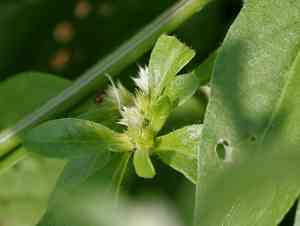
Joseph's coat (Alternanthera ficoidea)
Also known as: Sanguinaria, Bloodleaf, Rabbit meat
*Alternanthera ficoidea*, known as Joseph's coat, is a plant species native to Mexico and Argentina. This vibrant plant is often cultivated as a houseplant or used as annual ground cover.
In This Article
Attributes of Joseph's coat
Lifespan
Perennial, Annual
Plant Type
Herb
Plant Height
30 cm to 36 cm
Spread
30 cm
Leaf Color
Yellow Red Green Orange Brown
Flower Size
2.5 cm
Flower Color
White
Images of Joseph's coat
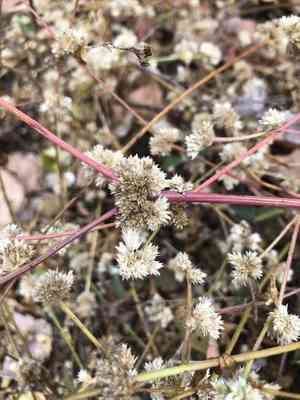
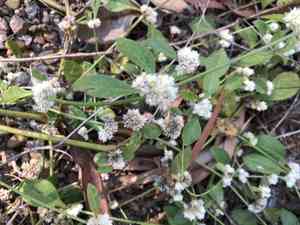
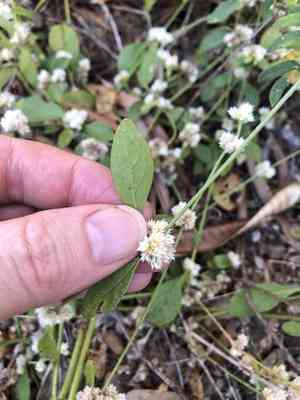
Quickly Identify Joseph's coat
1
Variegated foliage with colors from green to pink, red, or burgundy.
2
Sprawling growth habit with stems that root where they touch the ground.
3
Small white flowers in inconspicuous clusters, less than 0.2 inches (5 mm) across.
4
Elliptic to broad ovate leaves with red veining and various vibrant colors.
5
Leaves resemble coleus but with unique color patterns and smooth texture.
Scientific Classification of Joseph's coat
Phylum
Vascular plants
Class
Dicotyledons
Order
Caryophyllales
Family
Amaranth
Genus
Joseph's coat
Species
Joseph's coat
Planting and Growing of Joseph's coat
Care Difficulty
Easy
Watering Schedule
Every 8 days
Sunlight Requirements
Full sun
Sunshine Duration
10-12 hours
Ideal Temperature
65-75℉
Soil Type
Potting Mix, Peat Mix
Soil pH
6.5-7.5
Fertilizer Type
Balanced
Pruning Season
Spring, Summer
Pruning Area
Branches, Leaves
Pruning Frequency
2 times a year
Repotting Season
Spring
Pot Type
Plastic, Ceramic
 How to Water Joseph's coat?
Alternanthera ficoidea requires a moderate amount of water, around 180ml per watering session. It's crucial to keep the soil evenly moist but not waterlogged. Ensure the top inch of soil is dry before watering again to prevent root rot.
More About Watering Techniques→
What are the symptoms of an underwatered Joseph's coat?
›
What should I do if my Joseph's coat is not getting enough water?
›
What are the symptoms of an overwatered Joseph's coat?
›
How to save an overwatered Joseph's coat?
›
 What Are the Sunlight Requirements for Joseph's coat?
This plant thrives well in full sun to partial sun conditions. Ideal lighting enhances its pigmentation, promoting vibrant leaf colors and robust growth. Balanced light ensures optimal photosynthetic activity and overall plant vigor.
More About Sunlight Requirements Techniques→
What is the ideal lighting condition?
›
How can you ensure this plant gets ideal lighting?
›
What are the benefits of ideal lighting?
›
 What Is the Ideal Temperature Range for Joseph's coat?
The ideal temperature range for growing Alternanthera ficoidea is between 65°F and 75°F. Maintaining this range helps ensure optimal growth and vibrant foliage. This specific range supports the plant's natural metabolic processes, ensuring it remains healthy and colorful. Keeping within this range not only encourages growth but also enhances the ornamental quality of this plant.
 What Soil is Best for Joseph's coat?
Alternanthera ficoidea thrives best in well-drained soil because it prevents waterlogging, which can lead to root rot. Good drainage ensures aeration and allows roots to access the oxygen they need for healthy growth. This plant prefers soil with moderate fertility, providing essential nutrients without overwhelming the roots. A balanced nutrient profile supports vibrant foliage and robust growth. While drainage is crucial, having soil that retains some moisture is beneficial for this plant. It ensures the plant has a steady supply of water, especially during dry spells, promoting continuous growth.
More About Soil→
 How to Fertilize Joseph's coat?
Alternanthera ficoidea does best with a balanced approach to fertilization. Using a balanced liquid fertilizer diluted to half its strength is advised. When using slow-release fertilizers, follow the instructions on the package, applying approximately 5 grams per plant to provide consistent nourishment without overwhelming the roots.
More About Fertilizing Techniques→
 How to Prune Joseph's coat?
Before starting, carefully identify the nodes on the stem where the leaves emerge. Pruning just above these nodes encourages new branching, resulting in a fuller, bushier plant. Take care to avoid cutting too close to the node. Trim the plant to achieve the desired shape and size, focusing on maintaining balance and symmetry. Remove any stray stems or leaves to create a uniform look. This not only improves aesthetics but also ensures even light distribution across the plant.
More About Pruning Techniques→
 How to Propagate Joseph's coat plant?
1
Choose healthy, non-flowering stems from the parent plant, ideally 3-4 inches long, with multiple nodes to increase the likelihood of successful rooting.
2
Remove the lower leaves from the cutting, leaving a couple of leaves at the top. This helps in reducing moisture loss through transpiration while focusing the plant's energy on root development.
3
Insert the cut end into a well-draining growing medium, such as a mix of perlite and peat. Ensure at least a couple of nodes are buried to encourage root formation.
 How to Repot Joseph's coat plant?
1
Indications that Alternanthera ficoidea needs repotting include roots circling the bottom of the pot, stunted growth, or soil that doesn't retain moisture. It's best relocated during its active growth periods in spring or summer to minimize shock.
2
Select a pot slightly larger than the current one, with ample drainage holes to prevent waterlogging and root rot. The right pot aids healthy root development and promotes vibrant top growth by providing adequate space.
3
Opt for a well-draining potting mix that mimics its natural habitat. A mix comprising peat, perlite, and coarse sand allows for good aeration and drainage, protecting the roots from excessive moisture and encouraging healthy growth.



