How to Transplant Garlic chives?
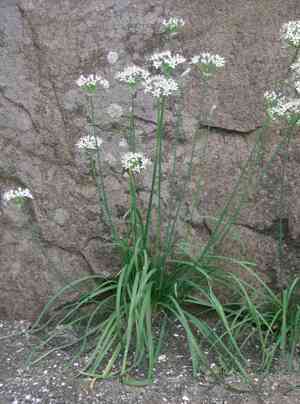
For relocating garlic chives, opt for the bright period from early to mid-summer to encourage peak development. Pick a spot featuring soil that drains effectively and ample solar exposure. To achieve successful transplantation, verify robust root structures and provide a light watering following their move. Enjoy your gardening endeavors!
What Preparations are Needed Before Transplanting Garlic Chives?
What is the Ideal Time for Transplanting Garlic Chives?
The optimal period to move garlic chives is early to mid-summer, during peak daylight hours. Relocating garlic chives at this time allows it to absorb maximum light, promoting vigorous development. Be assured that this strategic seasonal shift for garlic chives can significantly boost its health and output.
How Much Space Should You Leave Between Garlic Chives Plants?
When transplanting garlic chives, it's best to maintain a separation of 2-4 inches (5-10 cm) between each plant. This provides ample room for the plants to expand and spread, while still maintaining a dense appearance.
What is the Best Soil Mix for Garlic Chives Transplanting?
To prepare the soil for garlic chives, it's crucial to have well-draining soil with a slightly acidic to neutral pH level (6.0-7.0). Enhance the soil with organic material, such as compost or aged manure, and incorporate a balanced slow-release fertilizer for optimal outcomes.
Where Should You Relocate Your Garlic Chives?
Ensure that garlic chives receives full sun or partial shade for best growth. Select a garden spot where it will get at least 6 hours of direct sunlight daily, but also be shielded from intense, scorching afternoon sun.
What Equipments Should You Prepare Before Transplantation Garlic Chives?
Gardening Gloves
To safeguard your hands while handling soil and the garlic chives plant.
Shovel or Spade
For excavating holes and extracting the garlic chives plant from its initial spot.
Trowel
Useful for relocating small garlic chives plants and scooping earth.
Garden Fork
Helps to loosen and aerate the soil prior to transplanting.
Pruner or Garden Scissors
For trimming any damaged foliage or roots.
Watering Can or Hose
For hydrating the garlic chives plant before and after relocation.
Mulch
To aid in moisture retention and supply additional nutrients for the garlic chives plant post-transplant.
How Do You Remove Garlic Chives from the Soil?
How Do You Remove Garlic Chives from the Soil?
From Ground: First, hydrate the garlic chives plant to moisten the soil. Then, dig a wide trench around the plant using a shovel or spade, ensuring the plant's root ball remains intact. Carefully work the spade beneath the root ball to lift the plant from its original position.From Pot: Water the garlic chives plant thoroughly, then gently tilt the pot on its side, supporting the plant with one hand. Carefully slide the plant and root ball out of the pot using your other hand. If the plant is stuck, try gently tapping the pot to loosen the root ball.From Seedling Tray: Thoroughly water the garlic chives plant, then use a trowel or your fingers to carefully remove the seedling from the tray, ensuring not to harm the roots. If the seedlings are crowded, use garden scissors to snip away excess seedlings, leaving only the healthiest one.
Step-by-Step Guide for Transplanting Garlic Chives
Transplant Time
Choose a cool, overcast day to minimize transplant shock or transplant in the late afternoon when the sun is less intense.
Preparation
Prepare the planting site by digging a hole twice as wide and slightly deeper than the root ball of the garlic chives plant.
Soil Aeration
Use a garden fork to loosen and aerate the soil at the base of the planting hole.
Root Trimming
Use pruners or garden scissors to trim any damaged roots, and gently fold exposed roots to fit within the hole.
Plant Placement
Position the garlic chives plant into the hole, ensuring the top of the root ball is level with the ground. Spread the roots evenly in the hole, if necessary.
Filling the Hole
Backfill the hole with the native soil, gently pressing down with your hands to eliminate air pockets.
Watering
Water the garlic chives plant deeply to settle the soil around the roots.
Mulching
Apply a 3-inch layer of mulch around the base of the plant to help retain moisture and provide extra nutrients.
How Do You Care For Garlic Chives After Transplanting?
Watering
Keep the soil around the garlic chives consistently moist, but not waterlogged, for the initial few weeks after transplanting to aid in establishing strong roots.
Feeding
Two weeks after transplanting, fertilize the garlic chives plant with a balanced, slow-release fertilizer following package instructions.
Pruning
If needed, trim back any damaged leaves to encourage new growth.
Checking
Keep an eye on the garlic chives plant for any indications of transplant shock, such as wilting or yellowing leaves, and address any issues promptly.
Protection
Monitor for pests and diseases, treating as necessary to keep your garlic chives plant healthy and thriving.
Troubleshooting Common Issues with Garlic Chives Transplantation.
When is the best time for transplanting garlic chives?
The ideal period for transplanting garlic chives is early to mid-summer. These seasons allow for the best roots establishment.
What's the perfect gap between garlic chives plants?
As a rule of thumb, ensure to give about 2-4 inches (5-10 cm) distance between garlic chives plants. This gives them enough space to grow and flourish.
Why are my transplanted garlic chives wilting?
Wilting happens when garlic chives are stressed - this could be due to improper watering, shock from transplantation, or too much exposure to direct sunlight. Gradual exposure to environment post-transplant can help.
Do garlic chives need any particular soil type for transplanting?
Garlic chives aren't overly picky about soil, but they do prefer well-drained, fertile soil. Adding some organic matter can make the soil more suitable for growth.
How should I water garlic chives after transplantation?
Thorough watering is essential right after transplanting garlic chives. After that, keep soil consistently moist but not waterlogged. Over-watering can lead to rotting.
My transplanted garlic chives aren't growing well. Why is this happening?
Several factors could be hindering your garlic chives growth. These include incorrect planting depth, poor soil conditions, inadequate sunlight, or improper spacing. Review the plant's needs for optimal growth.
How to prepare the soil before transplanting garlic chives?
It's advisable to enrich the soil with organic matter before transplantation. Turn the soil over to a depth of around 10 inches (25 cm) and mix in the organic material.
Can transplantation shock kill garlic chives?
While transplant shock can stress garlic chives, it rarely causes permanent harm if managed well. If your plant wilts post-transplant, give it extra care and time to recover.
What should be the ideal transplanting depth for garlic chives?
Typically, aim to plant garlic chives at the same depth they were in their original pot. Make sure the roots are covered but the stem remains above the soil level.
Should I trim garlic chives after transplanting?
No, there's no need to trim garlic chives immediately after transplanting. Allow them to establish themselves first. Trimming too soon may cause unnecessary stress to the freshly relocated plant.



