The Hidden Danger in Your Home? Unmasking the Toxicity of the Garlic chives Plant.
1
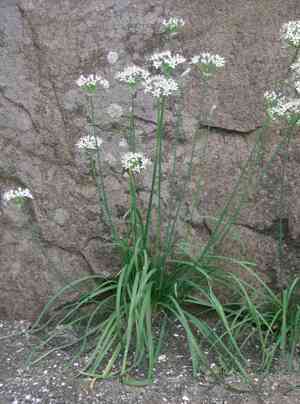
Garlic chives pose a significant toxicity risk to felines and canines, with all plant components being harmful.
2
If pets consume garlic chives, they may experience serious symptoms, necessitating prompt veterinary attention.
3
Pet owners should exercise caution and ensure their animals cannot reach garlic chives to prevent intoxication.
Is Garlic chives toxic to cat?
Garlic chives are poisonous to cats and present a serious risk. Cats can suffer from poisoning if they accidentally eat any portion of the plant, such as its blossoms, produce, foliage, underground parts, seeds, or stalks. After consumption, a cat might show signs of distress or sickness. It's vital for cat owners to monitor their pets' contact with garlic chives and to promptly seek veterinary care at an animal hospital if poisoning is suspected.
Is Garlic chives toxic to dog?
Garlic chives are considered a poisonous plant for dogs. Dogs might accidentally ingest parts of garlic chives, resulting in toxicity. The whole plant, including its blooms, produce, foliage, roots, tubers, seeds, and stalks, is dangerous if consumed by dogs. Following exposure to garlic chives, dogs could show symptoms like digestive upset or more severe clinical signs depending on the quantity eaten. It is essential for dog owners to supervise their pets and restrict access to garlic chives. Should a dog consume any part of garlic chives, it is critical to obtain immediate veterinary attention to ensure the best possible prognosis for the animal.



