How to Propagate Garlic chives?
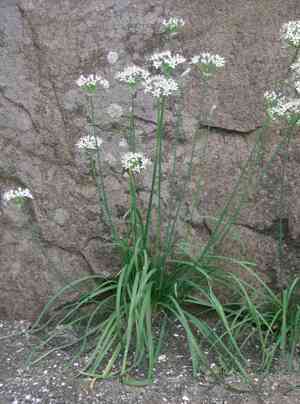
The most effective way to propagate garlic chives is by utilizing their tubers in the springtime. This technique is quite straightforward, with the emergence of new sprouts signifying a positive result. Ensure sufficient room for the tubers to develop, preventing them from becoming too dense.
Optimal Period for Garlic Chives Propagation
Propagation Type
Utilize The Tubers
Propagation Season
Spring
Tools Required for Garlic Chives Propagation
Sharp Knife or Pruners
These implements are vital for making clean cuts through the tuberous roots of garlic chives, minimizing disease risk compared to a dull blade. A sharp knife or pruner ensures precise incisions, crucial for parent plant health and propagation success.
Sterilizing Agent (e.g., Rubbing Alcohol or Bleach Solution)
This is employed to sanitize cutting tools before and after use, preventing pathogen transmission that could harm garlic chives. Tool sterilization is essential for successful plant establishment by reducing bacterial or fungal contamination.
Pots with Drainage Holes
These offer a suitable environment for newly cut tubers to develop roots and shoots. Proper drainage is critical to prevent waterlogging, which can lead to rot and disease, especially for moisture-sensitive plants like garlic chives.
Well-draining Potting Mix
A potting mix containing components such as perlite, vermiculite, or sand aids in proper drainage and aeration, beneficial for garlic chives' root development. This promotes robust growth and lessens the chance of root rot.
Rooting Hormone
This may occasionally be applied to the cut surface of tubers to encourage quicker root growth and boost propagation success rates. Rooting hormones stimulate root cell development in garlic chives, improving the new plant's establishment.
Watering Can with a Fine Rose
This allows for gentle irrigation that won't disturb newly planted tubers or freshly sown garlic chives seeds. It also helps maintain consistent soil moisture, key for root and shoot development during early growth stages.
Labels and a Permanent Marker
Essential for tracking propagated plants, especially when propagating multiple varieties or species. Accurate labeling ensures specific care instructions for garlic chives, like sunlight exposure and watering frequency, are followed precisely.
Gloves
Protect the propagator's hands from potential soil irritants while handling garlic chives tubers. Gloves also reduce the risk of spreading soil-borne diseases and help maintain hygiene throughout the propagation process.
Method for Propagating Garlic Chives
Propagation Type
Utilize The Tubers
Difficulty Level
Easy
Caring for Your Newly Propagated Garlic Chives
Caring for Your Newly Propagated Garlic Chives
Garlic chives requires minimal upkeep once established. Water regularly during dry spells to maintain consistent soil moisture. Apply a balanced fertilizer in spring. Cut back foliage to the ground in late fall to neaten the plant and help prevent disease. Divide every 3 to 5 years to maintain vigor and prevent overcrowding.
Common Errors to Avoid When Propagating Garlic Chives
Overwatering
Excessive watering of garlic chives can lead to root rot, which is harmful as the plant prefers well-drained soil. Saturated soil can cause roots to suffocate and ultimately kill the plants.
Planting depth
Burying garlic chives seeds or roots too deeply can impede their ability to sprout and grow. Correct planting depth is crucial for successful seedling emergence.
Ignoring light
Failing to provide garlic chives with sufficient sunlight can result in leggy growth and weaken the plant. Garlic chives needs full sun to partial shade for optimal development.
Neglecting division
Forgetting to divide mature garlic chives clumps can lead to overcrowding and poor air circulation, which may encourage disease and decrease overall plant vigor.
Using diseased plant material
Propagating garlic chives from diseased plant material spreads pathogens to new plants, jeopardizing their health and survival chances.
Tips For Propagating Garlic Chives
Soil preparation
Preparing a well-draining soil rich in organic matter will help garlic chives thrive, ensuring roots have the ideal balance of moisture and air.
Seed spacing
Sowing garlic chives seeds at the correct spacing allows for adequate airflow and reduces nutrient competition, essential for developing strong, healthy plants.
Moderate watering
Keeping the soil moist but not waterlogged is key for garlic chives propagation, encouraging healthy root growth without the risk of root rot.
Regular division
Dividing garlic chives every 3-4 years ensures plants have enough room to grow and prevents soil nutrient depletion, maintaining their vigor.
Healthy stock
Choosing disease-free plant material for propagation is imperative for garlic chives, preventing disease and pest spread and securing a healthy start.



