The Garlic chives Plant Advantage: Maximizing Home and Office Appeal and Wellness
1
Garlic chives are recognized for their unique garlic-like taste and aroma.
2
This herb flourishes in soil that drains well and receives ample sunlight to some shade.
3
Garlic chives find diverse applications in cooking, landscaping, and as a beneficial companion plant.
What Are the Primary Advantages of Cultivating Garlic Chives?
Culinary Applications of Garlic Chives
Garlic chives is prized for its flavorful foliage, which imparts a delicate, garlicky taste to numerous dishes. It's frequently incorporated into stir-fries, salads, soups, and savory baked goods. Being less pungent than true garlic, it offers a milder flavor that can enhance meals without overwhelming them.
Aesthetic Value
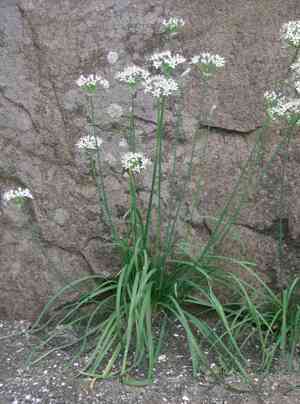
Beyond its culinary utility, Garlic chives contributes decorative appeal to gardens. It produces charming white star-shaped blossoms from late summer to early autumn, which can brighten any garden space. These flowers are also known to attract pollinators like bees and butterflies, fostering a healthy ecosystem.
How Does Garlic Chives Enhance Garden Well-being?
Companion Planting Advantages
Garlic chives serves as an excellent companion plant. It can deter pests such as aphids and Japanese beetles, safeguarding nearby plants like roses and tomatoes. Its presence in garden beds can act as a natural pest deterrent, lessening the need for chemical interventions.
Soil Quality Improvement
Garlic chives aids in enhancing soil quality. The plant's root system assists in aerating the soil, and its decaying foliage returns organic matter to the ground. This improves soil structure and fertility, promoting the robust growth of other plants in the vicinity.
How to Grow and Care for Garlic Chives?
Growing Requirements
Garlic chives thrives in well-drained soil with a neutral to slightly acidic pH. Plant it in an area that receives full sun to partial shade for optimal development. It's drought-tolerant once established, making it an easy addition for gardens in various climates.
Maintenance Advice
Fortunately for gardeners, Garlic chives demands minimal upkeep. Consistent watering during its initial weeks helps it establish a strong root system. Additionally, trimming back the stems after flowering encourages new growth and helps maintain a neat appearance.
Are There Any Unique Uses for Garlic Chives?
Culinary Innovation
Inventive chefs utilize Garlic chives flowers as an edible garnish due to their subtle flavor and appealing look. From adorning salads to infusing oils and vinegars, the possibilities are endless.
Herbal and Aromatherapy Applications
Garlic chives also holds potential in herbal uses, such as creating herb infusions or scented sachets. Its gentle aroma can be both soothing and stimulating, making it suitable for home aromatherapy.
What Are the Best Practices for Harvesting Garlic Chives?
Timing and Method
The optimal time to harvest Garlic chives is in the morning when the plant's moisture content is at its peak. Use sharp shears to cut the leaves close to the base, ensuring a clean cut that allows for rapid regrowth.
Storage Recommendations
Freshly cut Garlic chives can be used immediately, but it also stores well in the refrigerator wrapped in a damp paper towel. For extended storage, consider freezing the leaves or drying them for later use in various recipes.



