How to Transplant Bush allamanda?
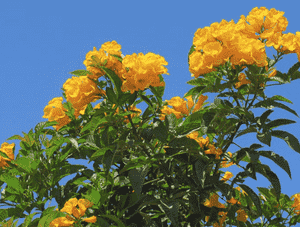
The ideal moment to relocate bush allamanda is in the revitalizing phase of early to mid-spring, as environmental factors encourage vigorous development. Select a sun-drenched location featuring soil that drains effectively, and contemplate enhancing the area with organic material to foster the prosperity of bush allamanda.
What Preparations are Needed Before Transplanting Bush Allamanda?
What is the Ideal Time for Transplanting Bush Allamanda?
The best time to move bush allamanda is at the start of spring or when the season is fully underway. By choosing these brighter days, you ensure bush allamanda has plenty of time to establish its root system before the summer heat becomes too intense. Transplanting during this period takes advantage of mild weather, which aids root development and reduces transplant shock, promoting vigorous growth.
How Much Space Should You Leave Between Bush Allamanda Plants?
Dear budding gardener, allow for a gap of approximately 2-3 feet (0.60-0.91 meters) between your bush allamanda plants. This spacing is crucial to ensure each plant has sufficient room to grow and fully develop its beautiful characteristics! Happy gardening!
What is the Best Soil Mix for Bush Allamanda Transplanting?
Selecting the right soil is essential for successful transplanting. For your bush allamanda plants, use a well-draining soil or a blend of sand, peat moss, and compost. Incorporate a slow-release granular fertilizer at the bottom of your planting hole â this will supply initial nutrients for the plants.
Where Should You Relocate Your Bush Allamanda?
Regarding the perfect location, bush allamanda loves basking in the sun â it requires a spot that receives full sunlight. If it's too shaded, growth and flowering may be diminished. So, select a sunny area in your garden, and let the bush allamanda flourish!
What Equipments Should You Prepare Before Transplantation Bush Allamanda?
Shovel or Garden Spade
To excavate the hole for transplantation, and to carefully lift the bush allamanda plant from its original spot.
Gardening Gloves
To safeguard your hands while handling soil and plants.
Wheelbarrow or Garden Trolley
To safely move the plant from its initial location to the new planting site.
Watering Can or Garden Hose
To hydrate the plant both prior to and following transplantation.
Mulch
To help maintain soil moisture after transplantation.
Stakes and Garden Twine
To offer support for bush allamanda plant if it is tall or leaning.
How Do You Remove Bush Allamanda from the Soil?
How Do You Remove Bush Allamanda from the Soil?
From Ground: Begin by thoroughly watering the soil around the bush allamanda plant several hours before the actual transplantation. This makes the soil damp and easier to manage. Dig a wide circle around the plant with a shovel or garden spade, ensuring to dig deep enough to minimize root damage. Once done, carefully slide the spade under the root ball and gently lift the plant out.From Pot: Water the bush allamanda plant well before starting the removal process. Tip the pot sideways, hold the plant at its base and gently pull it out. If it's stuck, tap the sides of the pot to loosen the soil.From Seedling Tray: The bush allamanda seedling should be removed when it has two to three true leaves. Water the tray, then use a gardening fork to lift the seedling out, making sure to preserve as much of the root ball as possible.
Step-by-Step Guide for Transplanting Bush Allamanda
Preparation
Ensure to water the bush allamanda plant thoroughly several hours before transplanting. This lessens transplant shock and ensures the plant roots are well hydrated.
Digging the Hole
The transplant hole should be twice as wide and as deep as the plantâs root ball. This provides ample space for the roots to spread out.
Transplanting
Position the plant in the center of the hole, ensuring it's at the same depth as it was in its original location. Back-fill the hole with soil, pressing it gently around the plant's base to eliminate air pockets.
Watering
Water the plant thoroughly immediately after transplantation. The soil should be moist, but avoid waterlogging.
Staking
If the bush allamanda plant is tall, it might require support. Stake it gently, securing the plant with a soft garden twine.
How Do You Care For Bush Allamanda After Transplanting?
Watering
The bush allamanda plant will require consistent watering, especially during the first 1-2 weeks post-transplant. Ensure the soil remains moist but not waterlogged.
Monitoring
Keep a close watch on the bush allamanda plant for any indications of transplant shock, such as wilting or yellowing leaves. If you observe these signs, you may need to adjust light conditions, watering frequency, or provide more support to the plant.
Mulching
Apply a layer of mulch around the base of the plant. This aids in retaining soil moisture and preventing weed growth.
Pruning
Prune the bush allamanda plant as needed, removing any dead or diseased growth. This encourages new growth and maintains the plant's health.
Troubleshooting Common Issues with Bush Allamanda Transplantation.
When's the perfect time for transplanting bush allamanda?
Transplant bush allamanda between early spring and late summer, ensuring the plant achieves optimal growth.
What are some overall steps to transplant bush allamanda effectively?
First, choose an ideal location. Dig a hole, place the bush allamanda in, and cover it with soil. Water generously and maintain a spacing of 2-3 feet (60-90 cm).
What type of soil is most recommended for bush allamanda?
Bush allamanda prefers well-draining soil. It's beneficial to mix some compost in the soil to boost the plant's nutrition.
How deep should the hole be for bush allamanda?
The hole should be twice the size of bush allamanda's root ball. This usually equates to around 10-12 inches (25-30 cm).
What could happen if I don't provide enough space between bush allamanda plants?
Overcrowded bush allamanda plants may compete for resources, leading to slower growth. Ensure a spacing of 2-3 feet (60-90 cm).
How often should I water bush allamanda after transplanting?
Water bush allamanda immediately after transplanting and continue with regular watering until the plant becomes well established.
Can I add fertilizer while transplanting bush allamanda?
Yes, a slow-release fertilizer can promote health and faster growth in bush allamanda. Just mix it into the soil before transplanting.
Should I prune bush allamanda before or after transplanting?
Prune bush allamanda after transplanting. It encourages the plant to devote its energy to root development instead of foliage.
What would happen if bush allamanda is transplanted in the wrong season?
Transplanting in the wrong season may lead to poor growth or even plant death. For bush allamanda, spring to summer is the ideal period.
How can I prevent transplant shock in bush allamanda?
Prevent transplant shock by keeping the root ball intact, maintaining regular watering, providing correct light exposure, and using a root stimulator if needed.



