How Much Sunlight Do Bush allamanda Need?
1
Bush allamanda flourishes with a minimum of six hours of direct sunlight each day.
2
While Bush allamanda endures some shade, its development and bloom production might suffer.
3
Modify Bush allamanda's location based on seasonal shifts to guarantee ideal light conditions.
Optimal Sunlight Conditions for Bush allamanda
Full Sun Requirement
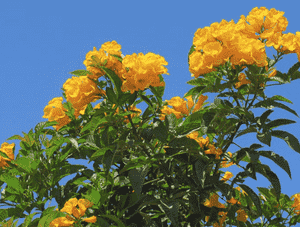
The Bush allamanda is a heliotropic plant that flourishes under full solar exposure. Providing this vibrant shrub with ample light is essential for its vitality and bloom development. Full sunlight implies direct, unhindered sun for at least six hours daily. This plant's energetic yellow blossoms are most abundant when the shrub is bathed in generous sunshine. Positioning Bush allamanda in a spot that receives plenty of illumination helps it develop robustly and luxuriantly.
Daily Sunlight Hours
To fulfill its full sun demand, aim for a minimum of six to eight hours of direct sunlight every day. In regions with elevated temperatures, morning and late afternoon sun exposure can be perfect, helping to avoid the most intense midday rays. Consistently meeting these daily illumination requirements will enable your Bush allamanda to prosper and maintain its beautiful appearance. If natural light is inconsistent, consider rotating the plant periodically to capture the best sunbeams throughout different parts of the day.
Can Bush allamanda Tolerate Partial Shade?
Growth in Partial Light
While Bush allamanda prefers full sun, it can withstand partial shade. Under partial light conditions, the plant receives solar exposure for approximately three to six hours daily. Although it can survive in these circumstances, it's important to note that its development may not be as vigorous, and the quantity of flowers might decrease compared to plants getting full sun. Partial shade can be advantageous in extremely hot climates, offering relief from intense midday heat, but should not be a permanent placement.
Signs of Inadequate Light
When Bush allamanda does not receive sufficient light, it exhibits certain indicative signs. Look for these clues: stunted growth, fewer or no blooms, and elongated stems that stretch toward light sources. Leaves might also appear paler than usual. If you observe these symptoms, try relocating the plant to a brighter spot or gradually increasing its light exposure. Early detection and intervention can help prevent long-term harm and encourage healthier development.
Seasonal Sunlight Variations
Summer vs. Winter Sunlight Needs
During summer, Bush allamanda benefits from extended daylight hours but might require some shielding from the intense midday sun, especially in very hot areas. In contrast, winter brings shorter days and less potent sunlight, potentially necessitating a more strategic placement to maximize light absorption. In colder locations, consider bringing the plant indoors or ensuring it's positioned where it can receive direct sunlight for the longest possible duration daily.
Adjusting Placement According to Seasons
As seasons shift, adapt your plant's location to ensure optimal sunlight. In summer, provide heat protection by placing it in a spot with morning or late afternoon sun. During winter, move it to the brightest window indoors or a sunny outdoor spot to compensate for shorter days. Container cultivation offers the flexibility to easily relocate the Bush allamanda, enabling you to balance its exposure based on seasonal light fluctuations and ensure continuous growth.
Indoor Sunlight Considerations for Bush allamanda
Ideal Indoor Locations
If cultivating Bush allamanda indoors, position it near south or west-facing windows where it can receive ample sunlight. Ensure the plant is not obstructed from direct light by heavy drapes or blinds. Reflective surfaces can also help amplify light exposure. It's crucial to continuously monitor the plant's well-being to ensure it is getting sufficient indoor light, making adjustments as needed.
Use of Artificial Lighting
In regions with diminished daylight hours during winter or residences with limited natural light, employing artificial grow lights can be beneficial. Placing LED or fluorescent lights 30-60 cm (1-2 feet) above the plant can supplement its light requirements. Aim for a blend of blue and red spectrum lights, which effectively simulate natural sunlight, ensuring Bush allamanda receives adequate illumination to thrive indoors even during darker months.



