How to Propagate Bush allamanda?
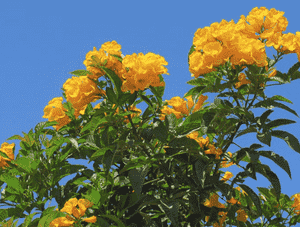
Allamanda schottii, a lively flowering shrub recognized for its striking yellow blossoms, is mainly reproduced via cuttings. To ensure successful rooting, cuttings ought to possess multiple nodes and originate from vigorous, pathogen-free specimens. They prosper when situated in a potting medium that drains effectively and must be maintained in a warm atmosphere with elevated moisture levels. Consistent spraying can cultivate an ideal condition for root formation. After the cuttings have developed a strong root network, they can be moved to bigger containers or directly into the garden earth, where Allamanda schottii will persist in thriving and imparting a tropical charm to the surroundings.
What Is the Best Time To Propagate Bush Allamanda?
Propagation Type
Cutting
Propagation Season
Spring,Summer
What Tools Are Used in Bush Allamanda Propagation?
Sharp pruning shears
Crucial for making clean, precise cuts on bush allamanda, which helps prevent disease and encourages quick healing. Sharp blades minimize harm to both the parent plant and the cutting.
Rooting hormone
Boosts the success rate of bush allamanda cuttings by encouraging root development from the cut stem. Applying a small amount to the cutting's base before planting can greatly improve root formation.
Potting mix
Offers a suitable environment for bush allamanda cuttings to root. An ideal blend should drain well yet retain sufficient moisture to support root growth. A mix of peat, perlite, and vermiculite is often recommended for best results.
Propagation tray
Used to hold multiple bush allamanda cuttings in a controlled setting. Trays should have proper drainage and be large enough to prevent overcrowding, which reduces the risk of mold and disease.
Plastic covers or propagation domes
Helps maintain elevated humidity levels around bush allamanda cuttings, which aids root development. The cover traps moisture, creating a mini-greenhouse effect essential for encouraging root growth.
How to Propagate Bush Allamanda?
Propagation Type
Moderately Difficult
How to Care for Your Newly Propagated Bush Allamanda?
How to Care for Your Newly Propagated Bush Allamanda?
Bush allamanda thrives in bright, indirect light and needs consistent watering to keep the soil uniformly moist. After rooting, fertilize every 4-6 weeks during the growing season with a balanced, water-soluble feed. Pruning is essential to promote fuller growth and maintain the plant's shape. Control pests like aphids and mealybugs with eco-friendly treatments. Ensure good air circulation to prevent fungal issues.
Common Mistakes to Avoid When Propagating Bush Allamanda
Overwatering cuttings
Root rot can occur if bush allamanda cuttings receive too much water during the initial propagation phase. Saturated soil leads to oxygen deprivation and promotes fungal growth, harming delicate new roots.
Deep insertion in soil
Placing bush allamanda cuttings too deep in the soil can reduce oxygen availability and impede root formation, thereby lowering the survival rate of propagated cuttings.
Ignoring humidity levels
Failure to maintain high humidity can cause bush allamanda cuttings to dry out quickly, leading to wilting and decreased chances of successful rooting.
Neglecting cleanliness
Using unsterilized tools or containers can introduce pathogens that may infect bush allamanda cuttings, hindering growth or causing disease.
Tips For Propagating Bush Allamanda
Well draining medium
Utilize a well-draining propagation medium for bush allamanda that retains sufficient moisture for root growth while preventing waterlogging, to encourage healthy root development.
Appropriate cutting length
Prepare bush allamanda cuttings to an ideal length of 4 to 6 inches, ensuring they have at least two nodes, as this size typically balances moisture retention and rooting potential.
Maintain high humidity
Enclose the environment of the bush allamanda cuttings with a clear cover to maintain high humidity, reducing water loss and increasing the likelihood of root initiation.
Use sterile equipment
Always use sterile tools and containers when propagating bush allamanda to minimize the risk of introducing harmful microorganisms that can inhibit successful propagation.



