The Bush allamanda Plant Advantage: Maximizing Home and Office Appeal and Wellness
1
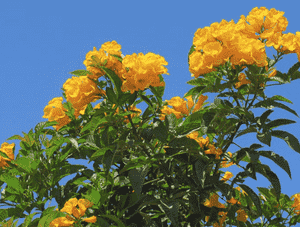
Bush allamanda is recognized for its beautiful yellow blooms, enhancing your garden's visual charm.
2
Bush allamanda requires minimal upkeep, making it perfect for both new and seasoned gardeners.
3
Its thick leaves allow this plant to function as an excellent natural barrier for privacy.
What Makes Bush allamanda Stand Out?
Aesthetic Appeal
Bush allamanda showcases striking yellow blossoms, making it an excellent choice for injecting vibrant color into your garden. The flowers form dense clusters, creating a brilliant display that can become a focal point in your landscape. Due to its evergreen nature, Bush allamanda offers visual interest throughout the year, making it a valuable addition to any garden.
Low Maintenance
One of the most attractive features of Bush allamanda is its minimal care requirements. Once rooted, it needs infrequent watering and can flourish in various soil conditions. This makes it an ideal option for gardeners of all experience levels. The plant also exhibits good pest resistance, further simplifying its upkeep.
How Can Bush allamanda Benefit Your Garden?
Natural Privacy Screen
If you're seeking a method to establish a natural privacy barrier, Bush allamanda could be the answer. With its thick foliage, this plant forms a dense covering that can shield your garden from curious glances. Whether planted along a fence or used to create freestanding privacy screens, Bush allamanda offers an effective and attractive solution.
Erosion Control
Beyond its beauty and privacy advantages, Bush allamanda can also aid in preventing soil erosion. Its root system is quite robust and can stabilize soil on inclines or other areas prone to erosion. This makes it a practical as well as beautiful addition to your landscaping endeavors.
Habitat for Pollinators
Bush allamanda's bright yellow blooms naturally attract pollinators like bees and butterflies. By incorporating this plant into your garden, you can support local ecosystems and foster biodiversity. A garden that draws pollinators is not only environmentally beneficial but also more lively and vibrant.
How to Care for Bush allamanda?
Optimal Growing Conditions
To ensure Bush allamanda flourishes in your garden, understanding its preferred growing conditions is crucial. This plant thrives in sunlight and performs best in full sun exposures. It can endure partial shade, but full sun will result in the most abundant blooms. The soil should drain well to prevent root rot.
Watering and Fertilizing
While Bush allamanda is drought-tolerant once established, consistent watering is vital during its initial growth phase. Aim to keep the soil consistently moist but not waterlogged. Fertilization can be done sparingly; a slow-release balanced fertilizer applied once or twice annually should suffice. Excessive fertilization can lead to lush foliage at the expense of flowering.
Pruning and Maintenance
Pruning is an essential aspect of maintaining Bush allamanda. Regular trimming helps preserve its shape and encourages new growth, leading to more flowers. It's best to prune after the blooming season. Removing dead or damaged branches will also contribute to the plant's overall health.
Best Landscaping Practices with Bush allamanda
Incorporating Bush allamanda into Garden Borders
Garden borders can serve as the defining features of your landscape. Positioning Bush allamanda along the edges of your garden beds can create a visually appealing boundary. The vibrant yellow flowers can act as natural highlights, drawing attention and adding a cheerful atmosphere.
Combining with Other Plants
Bush allamanda pairs well with various other plants. Consider combining it with flowers or foliage of contrasting colors to create a diverse and visually stimulating garden. Its evergreen nature makes it a good backdrop for seasonal plants, providing a year-round green canvas.
Using Bush allamanda in Containers
For those with limited space or looking to enhance patios and decks, Bush allamanda can be cultivated in containers. Ensure the pots have adequate drainage and use a high-quality potting mix. Container-grown plants will require more frequent watering and occasional fertilization to thrive.



