How to Prune Bush allamanda?
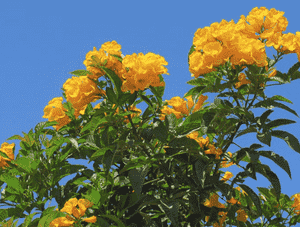
This perennial tropical shrub, recognized for its trumpet-like yellow blossoms and lustrous green foliage, flourishes optimally with consistent upkeep. Efficient trimming methods for bush allamanda entail shortening elongated branches, reducing dense sections to improve light exposure and air movement, and sculpting the shrub for a tidy look. The perfect period to trim bush allamanda is from late spring to early summer, following its primary flowering phase. Pruning stimulates denser development, fosters more vibrant leaves, and can result in a greater profusion of blooms in the following cycle.
Advantages of Trimming Bush Allamanda
Advantages of Trimming Bush Allamanda
Trimming bush allamanda promotes abundant blooming and helps deter pests and diseases by eliminating old or unhealthy growth, thereby improving air circulation throughout the plant.
Optimal Time for Trimming Bush Allamanda
Optimal Time for Trimming Bush Allamanda
The recommended periods for trimming bush allamanda are late spring and early summer. These times coincide with bush allamanda's post-flowering phase, after its spring bloom cycle. Pruning then stimulates new growth and flower production for the subsequent season. Late spring trimming allows gardeners to remove any winter frost damage and shape the plant before summer's vigorous growth. Early summer trimming ensures controlled growth, directing the plant's energy towards healthy new shoots and buds. Additionally, trimming bush allamanda during late spring and early summer helps manage its size, prevent overgrowth, and enhance its overall appearance and vitality.
Tools Required for Trimming Bush Allamanda
Hand Pruners
Perfect for making accurate cuts on bush allamanda, minimizing branch damage while shaping or trimming the plant.
Lopping Shears
Suitable for cutting thicker bush allamanda branches that hand pruners can't manage, offering leverage for larger cuts.
Pruning Saw
Essential for removing any large, mature stems or branches from bush allamanda, requiring a sawing motion.
Hedge Shears
Effective for shaping bush allamanda when used as a hedge or for a formal look; allows for even, straight cuts across multiple stems.
Gloves
Protects hands from thorns or irritating sap when trimming bush allamanda.
Cleaning Supplies
Alcohol wipes or bleach solution are needed to sanitize tools before and after use on bush allamanda to prevent disease spread.
How to Trim Bush Allamanda
Sanitize Tools
Ensure all trimming tools are clean and sharp to prevent damage to bush allamanda and disease transmission.
Remove Diseased Parts
Carefully cut away any diseased leaves and branches from bush allamanda using angled cuts to prevent water accumulation, which could foster rot or fungal growth.
Eliminate Dead Material
Remove withered leaves, dead branches, and spent flowers to encourage healthy growth and improve airflow, which helps deter pests and diseases in bush allamanda.
Shape Plant
Trim back excessive growth branches on bush allamanda, shaping the plant to maintain its desired form and to promote air circulation and light penetration throughout the plant.
Cleanup
Clear away all removed material from around bush allamanda to prevent potential disease spread and foster a healthy growing environment.
Common Trimming Errors with Bush Allamanda
Excessive Trimming
Removing too much foliage at once can stress bush allamanda and hinder its growth. Gardeners should avoid cutting back more than a third of the plant in a single trimming session.
Dull Tools
Using blunt or dirty trimming tools can create jagged cuts that are more vulnerable to disease. Sharp, clean shears are crucial for clean cuts and healthy plants.
Incorrect Cut Placement
Cutting either too close to or too far from a bud can lead to poor growth or dieback. Cuts should be made at a 45-degree angle just above outward-facing buds.
Neglecting Deadheading
Failure to remove spent flowers can prevent bush allamanda from producing new blooms. Regular deadheading is essential for encouraging continuous flowering.
Ignoring Disease Indicators
Continuing to trim without addressing signs of disease can spread pathogens throughout bush allamanda. It's important to diagnose and treat any infections before proceeding with regular trimming.
General Trimming Advice for Bush Allamanda
Clean Tools
Use sterilized trimming shears to prevent disease spread and make precise cuts.
Selective Trimming
Focus on removing only dead or diseased wood, weak growth, and crossing branches to maintain plant health and shape.
Encourage Bushiness
Pinch back the tips of young shoots during the growing season to promote a bushier, fuller appearance and enhance blooming.
Maintenance Trimming
Regularly inspect bush allamanda for any undesirable growth and trim as necessary to manage plant size and maintain a pleasing form.
Post-Bloom Care
After the main flowering season, lightly trim bush allamanda to stimulate new growth that will result in additional flowering in the next cycle.



