How to Transplant Purple allamanda?
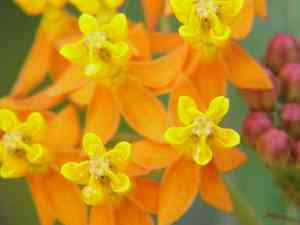
For purple allamanda, the season of moderate temperatures and consistent atmospheric conditions, usually late spring, offers an ideal setting for relocation. Choose a bright location with soil that drains effectively to foster robust development after moving. Careful root establishment and ample hydration will facilitate the adjustment.
What Preparations are Needed Before Transplanting Purple Allamanda?
What is the Ideal Time for Transplanting Purple Allamanda?
The optimal period for moving purple allamanda is at the start of summer, allowing ample warm growing time. Relocating purple allamanda during this season ensures strong root development before winter. This timing provides purple allamanda a full season to adapt and thrive, boosting its vibrancy and growth potential. A mid-year transfer guarantees a smooth transition for purple allamanda, setting the stage for magnificent blooms and robust health. Engaging in this timely horticultural task facilitates seamless adjustment to the new environment, maximizing purple allamanda's enduring appeal.
How Much Space Should You Leave Between Purple Allamanda Plants?
Allow your purple allamanda plenty of room to flourish! Aim for 3-4 feet (approximately 0.9-1.22 meters) between each specimen. This spacing will promote vigorous growth and adequate air circulation, minimizing disease risk.
What is the Best Soil Mix for Purple Allamanda Transplanting?
The purple allamanda thrives in rich, well-drained soil. Prior to planting, incorporate organic material such as compost or a slow-release granular fertilizer into the earth. This will supply the necessary nutrients for your purple allamanda's healthy development.
Where Should You Relocate Your Purple Allamanda?
For optimal growth, purple allamanda requires abundant sunlight. Select a location that receives full sun for the majority of the day. If there's some partial shade, don't worry, purple allamanda is quite adaptable. Happy gardening!
What Equipments Should You Prepare Before Transplantation Purple Allamanda?
Gardening Gloves
To protect your hands from any stray thorns that purple allamanda might possess.
Garden Spade
For digging into the soil for both removal and replanting, as well as shaping your new bed.
Trowel
Perfect for smaller digging tasks, it will ensure your plant is positioned at its most comfortable depth.
Gardening Fork
Essential for gently extracting the plant from its original spot without harming the roots.
Watering Can
Keeping your plant hydrated during and after the entire transplanting process is crucial.
Wheelbarrow
To safely transport the purple allamanda plant to its new location.
How Do You Remove Purple Allamanda from the Soil?
How Do You Remove Purple Allamanda from the Soil?
From Ground: Start by watering your purple allamanda plant to moisten the surrounding soil. Using a garden spade, dig a wide, shallow trench around the plant, being careful not to damage its root system. Once loosened, gently lift the plant with a garden fork, ensuring all roots remain intact.From Pot: Begin by watering your purple allamanda in its container to soften the soil. Then, carefully tilt the pot sideways and tap the bottom lightly, allowing the entire plant to slide out, preserving the root ball's shape.From Seedling Tray: Water the purple allamanda seedlings sufficiently and carefully remove them using either a small trowel or your hand, ensuring not to harm the delicate roots. Be sure to hold by the leaves rather than the stem to prevent damage.
Step-by-Step Guide for Transplanting Purple Allamanda
Preparation
In the chosen site, excavate a hole twice the size of the purple allamanda's root ball to allow for new root growth. The base of the hole should be firm but not compacted to ensure good drainage.
Planting
Position your purple allamanda in its designated spot and level it with the surface. Afterward, generously backfill the hole with soil, without compacting it excessively.
Watering
Once the plant is securely in place, water it thoroughly. It's best to do this in the morning so the plant can absorb all the moisture before it evaporates under the intense afternoon sun.
Staking
Depending on the size and type of purple allamanda, you might need to stake it to support upright growth and prevent damage.
How Do You Care For Purple Allamanda After Transplanting?
Regular Watering
Ensure that purple allamanda receives consistent watering, especially during the initial weeks, but be careful not to over-saturate, which could lead to root rot.
Deadheading
Removing spent flowers will encourage new growth and keep your purple allamanda looking its best.
Light Pruning
This may be necessary to maintain a desired shape and promote bushier growth.
Pest Checks
Monitor for pests and diseases, and address any signs early to maintain a healthy plant.
Troubleshooting Common Issues with Purple Allamanda Transplantation.
When is the best time to transplant purple allamanda?
The most opportune time to move purple allamanda is during season 3. This allows the plant sufficient time to establish roots before hotter or colder periods.
How deep should the hole be when transplanting purple allamanda?
Dig a hole that is twice the width and the same depth as the plant's root ball. This is typically about 10 inches (25 cm), but varies with the plant's size.
What's the recommended spacing for purple allamanda when transplanting multiple?
You should maintain a distance of approximately 3-4 feet (90-120 cm) between each purple allamanda. This provides them with room to grow and ensures adequate air circulation.
What type of soil is best for transplanting purple allamanda?
Purple allamanda prefers well-drained, sandy or loamy soil. Avoid heavy clay. If you have clay soil, incorporate organic matter to enhance its texture and drainage.
Should the roots of purple allamanda be trimmed before transplanting?
No, you generally should not trim the roots of purple allamanda before transplanting. Unnecessary trimming can stress the plant and hinder growth.
Why is my transplanted purple allamanda wilting?
Wilting after transplanting is often a sign of transplant shock. Keep the soil consistently moist, provide shade, and refrain from fertilizing until the plant recovers.
How much water does purple allamanda need right after being transplanted?
Water purple allamanda thoroughly immediately after transplanting. Ensure the soil is moist but avoid waterlogging. The soil around the roots should remain damp, not soggy.
Should I fertilize purple allamanda immediately after transplanting?
Wait at least 2-4 weeks before fertilizing transplanted purple allamanda, as the plant requires time to adapt to its new environment. Over-fertilizing can damage the roots.
Do I need to stake purple allamanda after transplanting?
Staking is usually not necessary for purple allamanda unless it is particularly tall or top-heavy. If you do stake, do so carefully to avoid damaging the roots.
How long does it take for purple allamanda to become established after transplanting?
It typically takes around 3 weeks for purple allamanda to become fully established. During this period, maintain moist soil conditions and provide shade if possible.



