How to Propagate Purple allamanda?
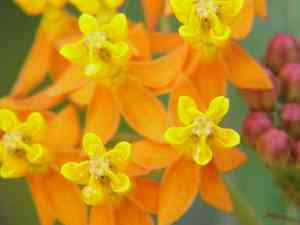
Hailing from tropical regions, purple allamanda is ideally suited for propagation via cuttings. This technique fosters robust root formation. Cultivators ought to select semi-hardwood cuttings measuring roughly 4-6 inches, with the bottom leaves stripped away to aid in rooting. It is recommended to immerse the severed end in a rooting compound prior to embedding it in a porous soil blend. Sustaining high humidity around the cuttings by enclosing them with a plastic covering or propagator dome hastens their development. Providing filtered sunlight and steady hydration without oversaturation is crucial for effective propagation.
Optimal Time for Purple Allamanda Propagation
Propagation Method
Cutting
Propagation Period
Spring,Summer
Tools Required for Purple Allamanda Propagation
Sharp Pruning Shears
Pruning shears are vital for obtaining healthy cuttings from purple allamanda. A sharp, clean blade ensures a precise cut, minimizing harm to the parent plant and boosting the cutting's survival rate. Disinfected shears help prevent disease transmission during the cutting process.
Rooting Hormone
Rooting hormone stimulates root development in purple allamanda cuttings, significantly improving their chances of successful establishment post-transplant. This hormone is available in powder, gel, or liquid forms, all providing essential auxins that encourage root formation in cuttings.
Sterile Potting Mix
Employing a sterile potting mix for purple allamanda cuttings is crucial to prevent soil-borne diseases and create a healthy environment for root growth. A light, well-draining mix, potentially with added perlite or vermiculite, is ideal for purple allamanda, allowing effective air and moisture access to new roots.
Propagation Tray
Propagation trays are utilized to hold purple allamanda cuttings in a stable, organized manner, simplifying moisture level management and monitoring. These trays often include humidity domes, which help maintain optimal moisture and temperature conditions essential for root development.
How to Propagate Purple Allamanda?
Propagation Type
Moderately Difficult
Caring for Your Newly Propagated Purple Allamanda
Caring for Your Newly Propagated Purple Allamanda?
Once roots are established, gradually introduce purple allamanda to drier conditions by removing the plastic cover over a week, then repot into a larger container. Provide a sunny spot, consistent watering to keep soil moist, and monthly balanced fertilizer during the growing season for optimal growth and blooms.
Common Errors to Avoid When Propagating Purple Allamanda
Using blunt cutting tools
Dull tools can injure purple allamanda stems during cutting, leading to poor healing and a higher risk of infection.
Overwatering cuttings
Excessive moisture can cause purple allamanda cuttings to rot before rooting, lowering the propagation success rate.
Taking cuttings from unhealthy plants
Cuttings from diseased or stressed purple allamanda are less likely to root and develop into robust plants.
Ignoring sanitation
Neglecting to sterilize tools and containers can introduce pathogens to purple allamanda cuttings, compromising their health.
Planting cuttings too deep
Inserting purple allamanda cuttings too deeply into the rooting medium can lead to stem rot due to insufficient air circulation around the stem base.
Advice for Propagating Purple Allamanda
Use sharp cutting tools
Sharp, clean tools ensure a precise cut on purple allamanda stems, enhancing healing and rooting success.
Regulate moisture levels
Maintaining balanced moisture in the rooting medium aids in successful rooting of purple allamanda cuttings without the risk of rot.
Select healthy parent plants
Choosing vigorous, disease-free purple allamanda for cuttings results in more robust growth and successful propagation.
Practice good sanitation
Sanitizing all tools and containers helps prevent the spread of disease to purple allamanda cuttings.
Plant cuttings at appropriate depth
Inserting purple allamanda cuttings so that a sufficient length remains above the medium allows for better air circulation and prevents rot.



