The Purple allamanda Plant Advantage: Maximizing Home and Office Appeal and Wellness
1
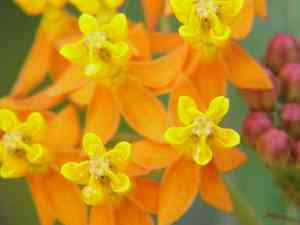
This botanical specimen showcases striking violet blooms, enhancing the beauty of any outdoor space.
2
It demands little upkeep, making it a perfect option for both new and seasoned plant enthusiasts.
3
This flora can serve as an organic solution for elevating the visual charm of environments.
What Makes Purple allamanda Stand Out?
Vivid Purple Blooms
Purple allamanda is renowned for its striking purple blossoms. These flowers are not only visually appealing but also draw in various beneficial insects to your garden, including bees and butterflies. Their deep color ensures they are a prominent feature in any landscape, creating an undeniable focal point.
Effortless Beauty
A key advantage of Purple allamanda is its minimal care requirements. This plant thrives in well-draining soil and needs little watering once mature, making it an excellent choice for gardeners seeking a low-effort, high-impact plant. Its ability to flourish across diverse climates enhances its adaptability and charm.
How Does Purple allamanda Enhance Your Garden?
Attracting Pollinators
Purple allamanda plays a vital role in drawing pollinators like bees and butterflies to your garden. These insects are crucial for the fertilization of numerous plants, contributing to the overall health of your garden's ecosystem. The presence of these pollinators can also lead to improved fruit and vegetable yields in a mixed garden setting.
Adding Aesthetic Appeal
Another significant benefit of Purple allamanda is the visual charm it brings to any outdoor space. Whether planted alone or integrated into a mixed border, its lush, glossy leaves and impressive flowers offer continuous visual interest throughout its flowering period.
What Are the Optimal Growing Conditions for Purple allamanda?
Ideal Climate
Purple allamanda flourishes in warm climates, preferring areas with ample sunlight. It is resilient in USDA zones 9-11, making it a perfect selection for those residing in warmer regions. However, it can also be cultivated in cooler climates if given proper care and protection during colder months.
Soil Requirements
This plant favors well-drained soil with a neutral to slightly acidic pH. Enriching the soil with organic matter like compost can boost its fertility and drainage, promoting healthier growth. Regular mulching helps retain moisture and regulate soil temperature, ensuring prime growing conditions.
Are There Specific Care Guidelines for Purple allamanda?
Watering Needs
While Purple allamanda is relatively drought-tolerant once established, it performs best with consistent watering during its initial growth phase. A regular watering schedule helps the plant develop a strong root system, making it more resistant to harsh conditions later on.
Pruning and Upkeep
Pruning Purple allamanda is essential to maintain its form and encourage new growth. Regularly trimming dead or damaged branches helps extend the blooming season and keeps the plant looking its best. Fertilizing with a balanced, slow-release fertilizer in early spring can support vigorous growth and abundant flowering.
How Can Purple allamanda Improve Your Outdoor Space?
Creating a Focal Point
Purple allamanda can serve as a captivating focal point in your garden. Plant it in prominent spots where its beauty can be fully appreciated. Whether along garden paths, in flowerbeds, or as part of a larger landscape design, its vibrant blooms will attract attention.
Complementing Other Plants
Purple allamanda pairs well with various other plants. Its rich purple flowers create a beautiful contrast with green foliage and lighter-colored blooms, adding depth and dimension to your garden's overall appearance. Experiment with different combinations to discover the most visually pleasing arrangement.



