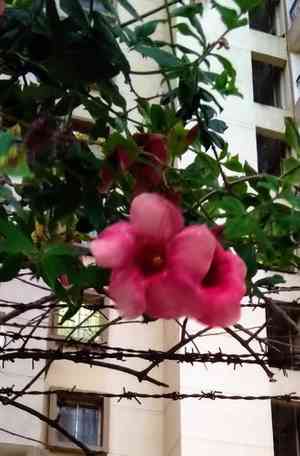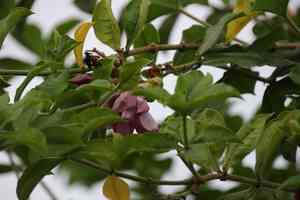
Purple allamanda(Allamanda blanchetii)

Purple allamanda (Allamanda blanchetii)

Also known as: Violet allamanda

The plant you are referring to is the **Purple Allamanda** (*Allamanda blanchetii*). This tropical evergreen, native to Brazil, thrives in ornamental gardens within the southern United States and similar mild climates. Under favorable conditions, it blooms throughout the year, showcasing striking rose-purple, trumpet-shaped flowers. This versatile plant can be cultivated as a climbing vine or pruned into a bush.

Attributes of Purple allamanda

Lifespan
Perennial
Plant Type
Vine, Shrub
Plant Height
4 m
Spread
2.5 m
Leaf Color
Green
Flower Size
8 cm to 10 cm
Flower Color
Pink Purple

ForwardPlant - Identify plants with a snap

Identify and diagnose plants, get toxicity alerts, and explore safety guides for all types of fungi.

Try for Free

Images of Purple allamanda

Purple allamanda(Allamanda blanchetii)

Quickly Identify Purple allamanda

1
Allamanda blanchetii can be identified by its large, trumpet-shaped flowers, which range in color from purple to pink. The leaves are simple, leathery, and arranged oppositely. The plant often has a sprawling growth habit and can climb with support.

Scientific Classification of Purple allamanda

Phylum
Vascular plants
Class
Dicotyledons
Order
Gentianales
Family
Dogbane
Genus
Allamanda
Species
Purple allamanda

Planting and Growing of Purple allamanda

Care Difficulty
Hard
Watering Schedule
Every 8 days
Sunlight Requirements
Full sun
Sunshine Duration
6-10 hours
Ideal Temperature
70-85℉
Soil Type
Potting Mix, Peat Mix
Soil pH
6.5-7.5
Fertilizer Type
Balanced
Pruning Season
Spring, Summer
Pruning Area
Branches, Leaves
Pruning Frequency
2 times a year
Repotting Season
Spring
Pot Type
Terracotta, Plastic

water icon How to Water Purple allamanda?

When watering Allamanda blanchetii, aim to provide enough water so that the soil remains consistently moist but never waterlogged. Typically, about 500 ml is appropriate, but ensure you water until the top few inches of soil are thoroughly moistened. This replicates the tropical environments from which this plant originates, allowing it to thrive.
What are the symptoms of an underwatered Purple allamanda?
What should I do if my Purple allamanda is not getting enough water?
What are the symptoms of an overwatered Purple allamanda?
How to save an overwatered Purple allamanda?

sunlight icon What Are the Sunlight Requirements for Purple allamanda?

Sunlight Requirements: Full sun, Partial sun
Duration of light: 6 to 8 hours
Allamanda blanchetii flourishes best in full sun to partial sun. Ideal lighting conditions promote robust flowering, prevent leggy growth, and support overall vitality.
What is the best environment for Allamanda blanchetii?
How can you ensure optimal sunlight access?
What are the benefits of ideal sunlight exposure for this plant?
More About Sunlight Requirements Techniques

temperature icon What Is the Ideal Temperature Range for Purple allamanda?

Ideal Temperature: 70 ~ 85℉
Allamanda blanchetii thrives best in warm conditions where the temperature ranges from 70°F to 85°F. This environment mimics their native tropical habitat, facilitating optimal photosynthesis and growth. Temperatures within this range promote healthy blooming and help the plant maintain its vibrant foliage.

soil icon What Soil is Best for Purple allamanda?

Soil type: Sandy soil, Loam
Soil PH: 6.5 ~ 7.5
Allamanda blanchetii thrives in well-draining soils that allow excess water to flow away quickly, preventing root rot and ensuring optimal oxygen availability for healthy root growth. The plant benefits from nutrient-rich soil, which provides essential minerals for lush foliage and flowering, enhancing its vibrant and visually appealing appearance. Maintaining moderate moisture levels without excess saturation promotes healthy growth and helps the plant maintain its bright, lush leaves and abundant flowers.

fertilize icon How to Fertilize Purple allamanda?

Fertilizer type: Balanced
For Allamanda blanchetii, using a balanced liquid fertilizer, mix roughly 1 teaspoon of fertilizer per gallon of water. This approach ensures that the plant efficiently absorbs nutrients with every watering session. If utilizing slow-release granules, apply sparingly — approximately 2 tablespoons per square foot — to avoid overwhelming the plant with excess nutrients.

prune icon How to Prune Purple allamanda?

Pruning Time: Spring, Summer, Autumn
Avoid pruning during extreme weather conditions. Early morning or late afternoon during a mild day is ideal. This ensures that the plant doesn't experience stress due to excessive heat or cold post-pruning. Dispose of pruned branches properly to avoid disease spread. If composting, ensure they are diseased-free. Mulching is a good option for adding nutrients back into the soil. More About Pruning Techniques

propagate icon How to Propagate Purple allamanda plant?

Propagate Time: Spring,Early summer,Late summer
1
For seed propagation, gather ripe seeds from pods in late summer. For cuttings, cut 4-6 inch healthy stems during the early summer for optimal growth potential.
2
Prepare a well-draining soil mix for planting. A mix of sand, perlite, and peat moss works well to maintain adequate moisture without waterlogging.
3
Sow seeds on the surface of the prepared medium or insert cuttings into the soil. Maintain humidity with a plastic cover or a greenhouse setup, and ensure indirect sunlight exposure.
More About Propagating Techniques

repot icon How to Repot Purple allamanda plant?

Repotting frequency: Every 2-3 years
1
Allamanda blanchetii needs repotting when roots emerge from the drainage holes, growth slows, or the soil stops retaining moisture. This means the plant is outgrowing its current pot and requires more space to thrive.
2
Select a pot one size larger than the current one, with ample drainage holes. A slightly larger pot allows the roots to expand, supports healthy growth, and prevents root rot by avoiding water accumulation.
3
Opt for a well-draining potting mix that retains some moisture but dries out between waterings. This ensures adequate aeration and prevents waterlogging, which is crucial for the health of Allamanda blanchetii.

ForwardPlant - Identify plants with a snap

Find the best spots for them to optimize their health, simply using your phone.

Try for Free

Toxicity of Purple allamanda

Is Purple allamanda toxic to humans?

The purple allamanda presents a mild toxicity risk to humans, which can result in allergic reactions. The entire plant is considered toxic, and contact with or consumption of any part may lead to poisoning. Upon touch, the purple allamanda can cause skin irritation or allergic dermatitis. If consumed, the plant can induce more severe symptoms such as gastrointestinal upset, including nausea, vomiting, and diarrhea. It is crucial for individuals to handle purple allamanda with caution to prevent accidental ingestion or skin contact, particularly when children or pets are around, as they may be more vulnerable to the plant's toxic properties.

Is Purple allamanda toxic to cat?

The 'purple allamanda' presents a potential risk of mild toxicity to felines. Incidents of exposure typically occur when a cat accidentally ingests any portion of the plant or comes into physical contact with it. Following exposure, the cat may display signs of discomfort or illness, which should be meticulously observed. Given that 'purple allamanda' is harmful upon both contact and ingestion, and the entire plant is classified as toxic, it is essential for cat owners to restrict any interactions between their pets and the plant. If a cat shows any worrisome symptoms after exposure, seeking immediate veterinary care is vital for timely and effective treatment.

Is Purple allamanda toxic to dog?

The plant species known as purple allamanda is recognized to possess a moderate degree of toxicity to dogs. Canines may face poisoning from purple allamanda either through direct contact or unintentional ingestion. Every part of this plant is toxic, indicating that all sections represent a possible threat if interacted with by dogs. Signs of poisoning in dogs may encompass, but are not confined to, gastrointestinal distress, vomiting, and diarrhea. Should you suspect that your dog has had contact with or consumed purple allamanda, it is crucial to seek prompt veterinary assistance to safeguard your pet's health and well-being.

Identify toxic plants for your safety

Learn which plants are harmful to you and your pets, and make informed choices for a safer home!

Try for Free
WARNING
The judgment on toxicity and danger is for reference only. We DO NOT GUARANTEE any accuracy of such judgment. Therefore, you SHALL NOT rely on such judgment. It is IMPORTANT TO SEEK PROFESSIONAL ADVICE in advance when necessary.
More About Toxic Techniques