Enhancing Your Garden Design with the Purple allamanda Plant: A Landscaping Guide
1
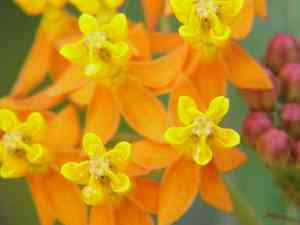
Purple allamanda brings vivid hues and aesthetic appeal to any garden or outdoor space.
2
Thoughtful placement of Purple allamanda in your garden enhances its visual effect and beauty.
3
Consistent care is crucial for Purple allamanda to flourish and maintain its optimal appearance throughout the year.
Introduction to Purple allamanda in Landscaping
Overview of Purple allamanda's characteristics and its visual appeal in garden spaces.
Purple allamanda is a visually striking plant known for its vibrant purple flowers and lush green foliage. This combination makes it a standout in any garden setting, providing a beautiful contrast that draws the eye. The plant's dense growth habit and cascading flowers can create a stunning visual impact whether it's used as a standalone feature or combined with other plants. Its ability to thrive in a variety of conditions also makes it a versatile choice for many landscaping projects.
Brief history of Purple allamanda in landscape design.
Throughout history, Purple allamanda has been appreciated for its ornamental value. Originally found in tropical regions, it has been cultivated in various parts of the world due to its decorative appeal. Gardeners and landscape designers have long recognized its potential for adding color and texture to garden spaces. Over time, it has become a staple in modern landscape design, celebrated not just for its beauty, but also for its relative ease of care.
Where to Plant Purple allamanda for Maximum Impact
Identifying strategic locations for Purple allamanda in residential gardens.
To maximize the impact of Purple allamanda in your residential garden, consider planting it in areas where its vibrant flowers can be easily seen and appreciated. Paths, entryways, and garden bed borders are excellent choices. Planting Purple allamanda near seating areas or windows where you spend a lot of time ensures that you can enjoy its beauty up close. Additionally, it's an excellent choice for creating focal points or accenting larger landscape features.
Commercial spaces and public gardens: leveraging the charm of Purple allamanda.
In commercial spaces and public gardens, Purple allamanda can be used to add a pop of color and attract attention. It can be planted along pathways, in planters, or near building entrances to enhance curb appeal. Public gardens often use Purple allamanda in themed displays or as part of large mixed plantings to introduce variety and maintain visual interest throughout the year. Its robust nature and vibrant color make it an excellent option for spaces that require a significant visual impact.
Companion Planting with Purple allamanda
Best companion plants for Purple allamanda and why.
When selecting companion plants for Purple allamanda, consider those that will complement its vibrant purple flowers. Plants with contrasting colors such as yellows, whites, or greens can create a striking visual effect. Examples include marigolds, daisies, and various types of ornamental grasses. These companions not only enhance the aesthetic appeal but also help to create a more balanced and cohesive garden design.
Understanding color and texture contrast in companion planting.
Color and texture contrast play a vital role in companion planting with Purple allamanda. The bold colors of Purple allamanda can be balanced with the muted tones of ornamental grasses, or highlighted with the bright hues of annuals and perennials. Textural contrasts, such as pairing Purple allamanda's smooth, vibrant flowers with the delicate, feathery foliage of ferns or the broad leaves of hostas, can add depth and interest to your garden design. Understanding these principles can help you create a garden that is both visually appealing and harmonious.
Seasonal Considerations for Purple allamanda
What seasons showcase Purple allamanda at its best?
Purple allamanda is at its most beautiful during the spring and summer months when it is in full bloom. During these seasons, the plant's flowers are vibrant and plentiful, making it a standout feature in any garden. However, with the right care, Purple allamanda can maintain its foliage and some blooms well into the fall, providing extended visual interest.
Preparations for different seasons to maintain Purple allamanda's aesthetic appeal.
To keep Purple allamanda looking its best throughout the year, certain seasonal preparations are necessary. In the spring, ensure the plant receives adequate water and nutrition as it comes out of winter dormancy. Pruning any dead or damaged branches helps stimulate new growth. During the summer, regular watering and occasional fertilization will maintain its vibrancy. As fall approaches, consider mulching around the base to protect the roots from cooler temperatures. Winter care may involve more significant pruning and possibly providing a cover to protect the plant from frost in cooler climates.
Maintaining the Visual Impact of Purple allamanda
Routine practices to keep Purple allamanda thriving and visually appealing.
Routine maintenance is essential to keeping Purple allamanda in top condition. Regular watering, especially during dry spells, ensures the plant remains hydrated and healthy. Feeding the plant with a balanced fertilizer during its growing season promotes vigorous growth and abundant blooms. Pruning is also criticalâremove spent flowers and trim overgrown branches to encourage new blossoms and maintain a neat appearance. Additionally, keeping an eye out for pests and diseases will ensure Purple allamanda remains lush and vibrant.
How to deal with common issues that may affect Purple allamanda's appearance.
Like all plants, Purple allamanda can be affected by various issues. Common problems include pest infestations, such as aphids or spider mites, which can be managed with insecticidal soap or neem oil. Fungal diseases, like powdery mildew, can be controlled with appropriate fungicides and by ensuring good air circulation around the plant. Regularly inspecting Purple allamanda and promptly addressing any issues will help maintain its health and visual appeal. Additionally, proper watering practicesâavoiding waterlogging and providing deep wateringâcan prevent root rot and other water-related problems.



