How to Prune Purple allamanda?
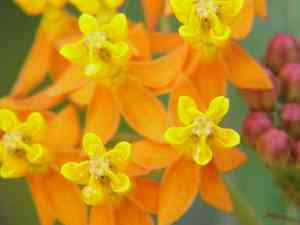
The purple allamanda, a tropical climbing plant, is celebrated for its vivid purple blossoms and lustrous green foliage. To ensure robust development and abundant flowering, trim purple allamanda during the initial part of spring or the latter portion of winter. Shorten elongated stems, eliminate any lifeless or ailing leaves, and sculpt the plant to manage its dimensions. This practice fosters thicker foliage and an increased number of blooms. Trimming following the main flowering period can induce a subsequent flush of blossoms. Always sanitize your implements to avert the transmission of pathogens, and utilize gloves to guard against the plant's milky fluid.
What Are the Benefits of Pruning Purple Allamanda?
What Are the Benefits of Pruning Purple Allamanda?
Trimming purple allamanda promotes robust development and helps maintain its form. This action encourages fresh, healthy shoots, leading to dense foliage and potentially more vibrant blooms. Regular cutting keeps purple allamanda at an optimal size, enhancing its decorative appeal and strength.
What Is the Best Time for Pruning Purple Allamanda?
What Is the Best Time for Pruning Purple Allamanda?
Pruning purple allamanda in late winter or early spring is optimal as the plant is dormant or about to begin its active growth period. This timing allows purple allamanda to recover swiftly and direct its energy towards new growth, resulting in a healthier, more vigorous plant. Pruning at this time also reduces the risk of purple allamanda developing diseases, as cuts heal faster when the plant resumes active growth. Additionally, since purple allamanda typically flowers on new wood, pruning just before the growth spurt ensures a plentiful and vivid flowering season.
What Tools Do I Need to Prune Purple Allamanda?
Bypass Pruners
Perfect for making clean cuts on purple allamanda's living stems and smaller branches due to their sharp, curved blades that glide past each other, minimizing tissue damage.
Anvil Pruners
Not advised as they can crush purple allamanda stems because their straight blade presses against a flat surface.
Loppers
Useful for reaching into denser areas of purple allamanda as they have longer handles and can cut through thicker branches that bypass pruners cannot manage.
Pruning Saws
Essential for cutting through mature, woody stems of purple allamanda that exceed the capacity of loppers, allowing for precise sawing without undue strain.
Hand Shears
Ideal for shaping purple allamanda and trimming soft growth, offering precision and ease for clipping small stems and leaves.
Garden Gloves
Recommended to shield hands from purple allamanda's potentially irritating sap and to ensure a secure grip on all pruning tools.
Disinfectant
Crucial for sanitizing tools between cuts to prevent disease transmission in purple allamanda.
How to Prune Purple Allamanda
Clean Tools
Before beginning the pruning process for purple allamanda, sanitize your pruning tools to prevent disease spread. You can do this by wiping the blades with a cloth soaked in rubbing alcohol or a bleach solution.
Remove Diseased Leaves
Identify and carefully remove any diseased leaves from purple allamanda. Use your sterilized pruning shears to snip the affected leaves at the stem's base, being careful not to tear or harm healthy parts.
Prune Withered Leaves
Trim withered leaves to encourage new growth and enhance the plant's appearance. Clip them off where the leaf stem meets the branch, ensuring a clean cut for quick healing.
Disinfect After
After completing the pruning of diseased and withered leaves, disinfect the pruning tools again to prevent any potential spread of pathogens to other plants.
Post Prune Care
After pruning, provide purple allamanda with sufficient water and nutrients to aid recovery and new growth. Monitor the plant for signs of stress and adjust care as needed.
Common Pruning Mistakes with Purple Allamanda
Over-Pruning
Removing too much foliage at once can stress purple allamanda, potentially leading to reduced flowering or weakening the plant.
Improper Cut Location
Cutting too far from or too close to the nodes can result in unsightly stubs or damage the growing points, affecting future growth.
Using Dull Tools
Dull pruning tools can cause ragged cuts that are more susceptible to disease and pests.
Ignoring Diseased Material
Failing to remove and properly dispose of diseased branches or leaves can lead to the spread of infection within purple allamanda.
Neglecting Sanitation
Not sterilizing tools between cuts, especially when dealing with diseased plants, can spread pathogens to healthy parts of purple allamanda or other nearby plants.
Common Pruning Tips for Purple Allamanda
Sharp Pruning Tools
Always use sharp, clean shears or scissors to ensure clean cuts that heal quickly and minimize stress to purple allamanda.
Selective Pruning
Target only the necessary branches for removal, such as those that are dead, damaged, or displaying disease, to maintain healthy growth without over-pruning.
Appropriate Cut Location
Make cuts just above leaf nodes to encourage new growth in the desired direction. Avoid leaving long stubs which can die back and invite disease.
Thinning Crowded Areas
Remove some stems from overcrowded areas to increase air circulation and light exposure, which is essential for the health of purple allamanda.
Encouraging Bushy Growth
Pinch back the tips of young shoots to promote bushier growth and more prolific flowering in purple allamanda.



