How to Transplant Waterwheel plant?
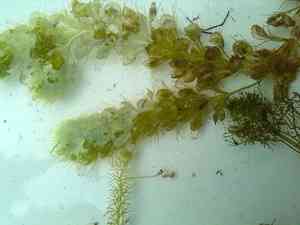
Ideally, waterwheel plant flourishes when transplanted between late spring and mid-summer, a time of vigorous development. Select water-compatible sites, guaranteeing stable water conditions for effective integration. Careful manipulation is crucialâminimize root disturbance to safeguard waterwheel plant's fragile composition.
What Preparations are Needed Before Transplanting Waterwheel Plant?
What is the Ideal Time for Transplanting Waterwheel Plant?
The optimal period for relocating waterwheel plant spans from the vigor of late spring through the warmth of mid-summer. This timeframe provides an excellent combination of extended daylight and consistent temperatures, offering these perennials prime conditions for post-transplant growth. Moving waterwheel plant during this window ensures strong root development and adaptation, crucial for its aquatic existence and a flourishing display year-round.
How Much Space Should You Leave Between Waterwheel Plant Plants?
When rehousing waterwheel plant, ensure ample room for each specimen to thrive. Aim for a comfortable spacing of approximately 8-12 inches (20-30 cm) between them. This prevents overcrowding and allows for unhindered development.
What is the Best Soil Mix for Waterwheel Plant Transplanting?
For waterwheel plant, the substrate must be just right! Consider utilizing a rich, peat-based medium, and think about a light application of a slow-release aquatic plant fertilizer to provide a minor nutrient boost.
Where Should You Relocate Your Waterwheel Plant?
These lovely waterwheel plant truly enjoy sunlight! Locate a bright spot where they can soak in partial to full sun for most of the day, ensuring they receive adequate light without being scorched.
What Equipments Should You Prepare Before Transplantation Waterwheel Plant?
Aquarium Net
To carefully lift the waterwheel plant from its watery environment without harming its fragile structure.
Water Containers
To temporarily hold the waterwheel plant after removal and for moving it to its new location.
Soft Cloth or Sponge
To handle the waterwheel plant gently and remove any debris from the plant prior to transplanting.
Sediment-free Water
To fill the new aquatic habitat and guarantee a clean environment for the waterwheel plant.
pH Test Kit
To verify the water at the new site has the appropriate pH level for the waterwheel plant.
How Do You Remove Waterwheel Plant from the Soil?
How Do You Remove Waterwheel Plant from the Soil?
From Ground: As waterwheel plant typically lives in water, 'ground' here refers to its submerged soil bed. First, gently lower the water level by scooping or siphoning to expose the plant without disturbing its roots. Then, use an aquarium net to carefully lift the waterwheel plant, ensuring its delicate traps remain undamaged.From Pot: If the waterwheel plant is currently in a submerged pot, carefully lift the pot from the water and gently slide the waterwheel plant out, using a soft cloth or sponge to support its structure and prevent breakage.From Seedling Tray: waterwheel plant does not typically grow in a seedling tray as it is an aquatic plant. However, if it is in such a setup for propagation, ensure the water level is shallow enough to avoid submerging the plant traps, then gently scoop it out with an aquarium net.
Step-by-Step Guide for Transplanting Waterwheel Plant
Preparation
Before extracting the waterwheel plant from its current spot, prepare the new aquatic environment by filling it with sediment-free water at a similar temperature to prevent plant shock. Check the water's pH level with the test kit and adjust as needed.
Removal
Carefully take the waterwheel plant from its original location using the method suitable for its current growing place, as detailed in the 'removal_process'. Handle it gently to avoid damaging its fragile structure.
Transportation
Place the waterwheel plant in a water container holding some of the original water from its previous habitat to provide a stable transition environment.
Planting
Lower the waterwheel plant into the new aquatic habitat using the aquarium net. Ensure the environment is calm and stable, gently distributing them without causing any shock to the delicate traps.
Adjustment
After placing the waterwheel plant in its new habitat, observe the plant to confirm it shows no signs of stress. Allow the waterwheel plant to adapt to its new environment without any disturbance.
How Do You Care For Waterwheel Plant After Transplanting?
Monitoring
Regularly check the waterwheel plant's health and water quality, including pH levels and temperature. Any sudden alterations can be harmful to the waterwheel plant.
Feeding
If the new habitat lacks nutrients, you may need to supplement the waterwheel plant's diet with small insects or appropriate substitutes as advised. Be careful not to overfeed, as this can lead to water quality issues.
Settling-In
Allow the waterwheel plant ample time to acclimate to its new surroundings. It might take several days for it to exhibit signs of growth or trap activity. Patient observation is crucial during this period.
Troubleshooting Common Issues with Waterwheel Plant Transplantation.
When is the best time to transplant waterwheel plant?
The optimal period to transplant waterwheel plant is from late spring to midsummer, ensuring a warm growing season ahead.
How far apart should I space waterwheel plant during transplanting?
Ideally, space waterwheel plant approximately 8-12 inches (20-30 cm) apart to allow for growth and nutrient access.
What's the ideal water condition for transplanting waterwheel plant?
Transplant waterwheel plant in shallow, still or slow-moving water, with pH levels ranging from 5 to 7 for optimal growth.
Should I amend the water with nutrients when transplanting waterwheel plant?
Yes, enriching the water with mild, liquid fertilizers can aid waterwheel plant in establishing itself in the new environment.
Can I propagate waterwheel plant while transplanting?
Yes, you can gently divide waterwheel plant at the root mass, ensuring each section has growth points before transplanting.
What sunlight conditions are needed after transplanting waterwheel plant?
Post-transplant, waterwheel plant thrives in full to partial sunlight, receiving at least 3-4 hours of direct light daily.
How do I handle waterwheel plant during the transplant to avoid damage?
Handle waterwheel plant gently, support the root and trap structures, and avoid squeezing or bending the plant's delicate parts.
What signs of transplant shock should I look for in waterwheel plant?
Look for wilting, discoloration, or inactivity in traps as indicators of transplant shock.
How can I tell if waterwheel plant has settled in after transplanting?
Vibrant color, new growth, and active trapping mechanisms are good signs that waterwheel plant has acclimated.
Is it necessary to quarantine newly transplanted waterwheel plant?
Quarantining isn't typically required, but monitor for pest and disease signs to protect the plant and its neighbors.



