Enhancing Your Garden Design with the Waterwheel plant Plant: A Landscaping Guide
1
The Waterwheel plant improves your garden's look with its distinct water-based characteristics.
2
Careful planning and consistent upkeep are crucial for a flourishing Waterwheel plant in your outdoor space.
3
The Waterwheel plant integrates well into diverse garden designs, acting as a prominent centerpiece.
Introducing the Waterwheel Plant in Garden Design
Understanding the distinctiveness of the Waterwheel plant
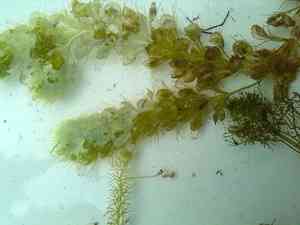
The Waterwheel plant is a meat-eating aquatic flora that can charm both gardeners and guests. Its unique structure and practical appeal distinguish it from other common garden additions. This plant employs a snap-trap mechanism, functioning underwater to ensnare tiny organisms like small fish, insects, and plankton, offering a truly singular visual and practical element to your garden's scenery.
Why select the Waterwheel plant for your outdoor space?
Integrating the Waterwheel plant into your garden offers both ecological advantages and aesthetic allure. As a natural insect deterrent, it diminishes the presence of mosquitoes and other small bugs, making your garden more pleasant. Furthermore, its rarity and dynamic appearance can become a discussion point, enhancing the garden's overall fascination and visual interest.
Designing Your Garden Layout with the Waterwheel Plant
Choosing the ideal spot for the Waterwheel plant
Selecting the correct placement for the Waterwheel plant is vital. This species flourishes in shallow, gently moving or still water bodies with ample sunlight. Consider placing it in garden ponds, water gardens, or even sizable ornamental water containers where it can receive at least six hours of daily sun exposure. Such environments replicate its natural habitat, ensuring its health and vigor.
Companion plants that complement the Waterwheel plant
To cultivate a harmonious and visually pleasing landscape, pair the Waterwheel plant with other aquatic or moisture-loving flora. Water lilies, lotus, and bog plants such as marsh marigold and pickerelweed can be excellent companions. Additionally, low-growing ground covers and grasses around the water's edge can improve the overall aesthetic while providing a naturalistic look.
Incorporating the Waterwheel Plant into Garden Themes
Thematic garden concepts suitable for the Waterwheel plant
The Waterwheel plant can seamlessly integrate into various garden styles. For instance, in a tropical-themed garden, combine it with lush foliage and vibrant blossoms to create a lively, exotic ambiance. In an eco-friendly or wildlife garden, its role as a pest predator highlights the theme of natural balance and biodiversity. Even in minimalist or contemporary gardens, the Waterwheel plant can serve as a distinctive statement piece.
Creating focal points with the Waterwheel plant
To make the Waterwheel plant the centerpiece of your garden, carefully consider its placement and surroundings. Utilize decorative planters or elevated water-filled beds to give it prominence. Encircle it with complementary stones or sculptures to draw attention and emphasize its exotic nature. By strategically positioning the Waterwheel plant where it is easily visible, it can become a captivating focal point.
Maintenance Advice for the Waterwheel Plant in Landscapes
Fundamental care requirements for the Waterwheel plant
Maintaining the Waterwheel plant involves monitoring its water quality and ensuring sufficient light. Regularly inspect the water for cleanliness, avoiding pollutants or high mineral content that can harm the plant. It's also important to periodically trim decaying or overgrown sections to encourage healthy development. Feeding is typically unnecessary as the plant captures its own prey.
Seasonal care adjustments for the Waterwheel plant
Seasonal shifts can impact the Waterwheel plant, particularly in non-native climates. During colder months, consider moving portable water containers with the Waterwheel plant indoors or providing heating solutions for outdoor water features to prevent freezing. In warm seasons, ensure adequate water levels to keep the plant submerged and to maintain suitable temperature and humidity.
Creative Ideas Using the Waterwheel Plant
Case studies: successful landscape projects featuring the Waterwheel plant
Numerous garden enthusiasts have successfully incorporated the Waterwheel plant into their outdoor spaces. One example includes a botanical garden that established a dedicated carnivorous plant section with various pond habitats, attracting visitors and fostering educational opportunities. Another instance is a private backyard where a series of interconnected shallow pools are designed to highlight the uniqueness of the Waterwheel plant, offering both a tranquil retreat and an intriguing conversation starter.
DIY garden projects integrating the Waterwheel plant
For those who enjoy hands-on projects, constructing small water features with the Waterwheel plant can be a rewarding endeavor. Using materials like ceramic bowls or old metal bathtubs, you can build mini pond centers to house the Waterwheel plant. Adding decorative elements such as colored pebbles, aquatic moss, and small statues can enhance visual appeal, allowing you to personalize your garden while successfully including the Waterwheel plant.



