The Waterwheel plant Plant Advantage: Maximizing Home and Office Appeal and Wellness
1
The Waterwheel plant assists in managing mosquito numbers by consuming their larvae in water.
2
This botanical specimen contributes to sustaining a healthy aquatic environment.
3
The Waterwheel plant is distinctive and aesthetically pleasing, making it an excellent complement to water installations.
Why Cultivate Waterwheel Plant in Your Aquatic Garden?
Natural Insect Control
The Waterwheel plant offers an effective, organic method for managing mosquito populations. Its predatory nature enables it to capture and consume mosquito larvae, thereby decreasing the likelihood of these pests maturing into adult insects. This can significantly reduce mosquito presence in areas where it is grown.
Maintaining Aquatic Ecosystem Equilibrium
A notable advantage of the Waterwheel plant is its capacity to foster a balanced aquatic environment. By preying on small aquatic organisms, it aids in regulating the numbers of certain species that might otherwise dominate the habitat. This equilibrium is vital for the vitality and longevity of your water garden.
What Distinguishes the Waterwheel Plant?
Carnivorous Mechanisms
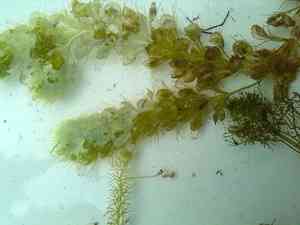
The Waterwheel plant employs a remarkable technique to ensnare its prey. It possesses trap-like structures that rapidly close when stimulated by small aquatic creatures. This swift closing action is not only captivating but also a highly efficient means of acquiring nutrients in environments with limited resources.
Visual Appeal
Beyond its practical advantages, the Waterwheel plant is aesthetically pleasing. Its intricate and delicate form can introduce an exotic touch of beauty to your water garden. The presence of such a distinctive plant can elevate the visual charm of any pond or water feature, making it a focal point of interest.
How to Care for the Waterwheel Plant?
Optimal Water Conditions
The Waterwheel plant thrives in clean, slightly acidic water with moderate to strong light exposure. Maintaining these conditions is crucial for the plant's health and development. Regular monitoring of water parameters and ensuring sufficient light can help the Waterwheel plant flourish.
Nutrient Requirements
While the Waterwheel plant obtains most of its nutrients from captured prey, it's important to prevent excessive nutrient accumulation in the surrounding water, as this can be detrimental to the plant. Maintaining a natural balance without adding artificial fertilizers is essential for the Waterwheel plant's well-being.
Where Can You Acquire the Waterwheel Plant?
Specialized Nurseries
To obtain the Waterwheel plant, consider visiting specialized aquatic plant nurseries. These establishments often stock a variety of carnivorous plants, including the Waterwheel plant, and offer necessary advice on its care and cultivation.
Online Marketplaces
Online platforms present another convenient option for purchasing the Waterwheel plant. Ensure you buy from reputable vendors who can supply healthy and well-maintained specimens. Reviewing feedback and checking ratings can assist in making an informed choice.
Environmental Considerations
Protecting Indigenous Species
While the Waterwheel plant offers numerous benefits, it's crucial to consider its impact on native aquatic species. Introducing any non-native plant should be done cautiously to prevent unintended ecological disturbances.
Sustainable Gardening Practices
Adopting sustainable gardening methods while cultivating the Waterwheel plant can lead to a healthier and more eco-friendly water garden. This includes avoiding harmful chemicals and fostering biodiversity within the aquatic environment.



