How to Propagate Waterwheel plant?
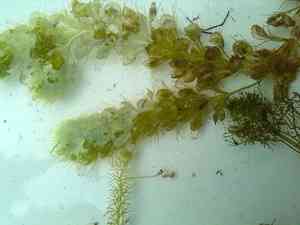
The waterwheel plant, an intriguing aquatic carnivorous species, thrives in habitats lacking abundant nutrients. Its reproduction is achieved by directly dispersing its seeds into an aqueous environment that replicates its native setting. For optimal development, the water ought to be mildly acidic and exceptionally clean, mirroring the waterwheel plant's indigenous conditions. Maintain a consistent environment with minimal disruptions, as the waterwheel plant flourishes in tranquil, temperate aquatic systems. Replicating these specific circumstances is essential for the successful cultivation of the waterwheel plant.
Optimal Time for Waterwheel Plant Propagation
Propagation Method
Seeding
Propagation Period
Spring
Tools for Waterwheel Plant Propagation
Aquarium or Tank
An aquarium or water tank is crucial for waterwheel plant propagation as it offers a controlled aquatic habitat, mimicking its natural environment. Ensuring appropriate water conditions, such as pH and nutrient levels, is vital for waterwheel plant's development. These containers enable close monitoring of water quality and easy access to the plant during propagation.
Water Quality Test Kit
This tool is essential for regularly checking water parameters like pH, hardness, and nutrient levels, which significantly impact waterwheel plant's growth and propagation success. Maintaining an ideal aquatic environment ensures young propagules develop in conditions similar to their natural habitat, boosting survival rates.
Fine Mesh Net
Used for moving and relocating waterwheel plant segments, a fine mesh net is gentle enough to handle these delicate plants without causing harm. This tool is useful during thinning or cleaning processes in the tank, minimizing plant disturbance.
Substrate
While waterwheel plant is primarily free-floating, a substrate can be added to the tank to replicate its natural habitat's floor, potentially benefiting microscopic fauna that contribute to a balanced tank ecosystem. This setup helps create a more natural environment for waterwheel plant to flourish.
LED Grow Lights
Adequate lighting is crucial for photosynthesis, even in aquatic settings. LED grow lights can provide a consistent and sufficient light source to support waterwheel plant's health and growth, especially indoors where natural light may be limited.
How to Propagate Waterwheel Plant?
Propagation Type
Simple
Caring for Your Newly Propagated Waterwheel Plant
Caring for Your Newly Propagated Waterwheel Plant
Post-propagation, keep waterwheel plant in clean, acidic, and nutrient-poor water. Ensure it receives moderate light but is protected from direct sunlight. Monitor and adjust water levels to maintain waterwheel plant's optimal floating structure for growth and health. Regularly check for pests or diseases. As a carnivorous plant, waterwheel plant obtains nutrients from captured prey, so avoid adding fertilizers or nutrients to the water.
Common Propagation Mistakes for Waterwheel Plant
Poor water quality
Using tap water or chemically treated water can harm waterwheel plant due to its sensitivity to pollutants and high mineral content. These conditions can impede waterwheel plant's growth and cause physiological stress.
Excessive handling
Waterwheel plant is very fragile, and frequent handling or disturbing its environment can damage it. This can compromise waterwheel plant's health, affecting its ability to propagate effectively.
Ignoring photoperiod
Failing to provide waterwheel plant with the correct light duration can impact its growth cycle. Given waterwheel plant's specific light requirements for optimal growth, improper light exposure can reduce its vigor and propagation potential.
Waterwheel Plant Propagation Tips
Use distilled or rainwater
Watering waterwheel plant with distilled or rainwater can prevent the negative effects of pollutants and excessive minerals. This ensures a favorable aquatic environment, promoting healthier growth and propagation.
Gentle division
When propagating waterwheel plant by division, handle it carefully and minimize disturbance to its root structure. This encourages better recovery and adaptation in a new setting, enhancing propagation success.
Controlled light exposure
Maintain a balance of sufficient light without overexposure. Using artificial lighting can help regulate light periods effectively, supporting waterwheel plant's natural biological rhythms and encouraging healthy growth.



