How to Prune Waterwheel plant?
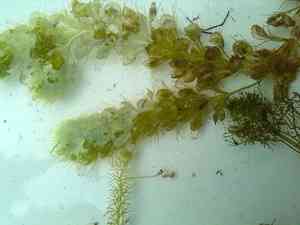
This carnivorous aquatic species is distinguished by its buoyant, snap-trap foliage. Trimming waterwheel plant entails excising deceased or deteriorating traps with sanitized clippers to inhibit fungal proliferation. The most effective time for pruning is in spring and summer when the plant exhibits vigorous development. Key considerations involve guaranteeing that trimming does not harm nascent traps or emerging buds. Advantages of pruning waterwheel plant encompass fostering more robust growth, guaranteeing efficient trap functionality, and preserving water purity by diminishing organic decomposition.
Advantages of Trimming Waterwheel Plant
Advantages of Trimming Waterwheel Plant
Trimming waterwheel plant promotes robust development and helps maintain its desired aquatic form, ensuring the plant stays healthy and functions effectively.
Optimal Period for Pruning Waterwheel Plant
Optimal Period for Pruning Waterwheel Plant
The ideal seasons for pruning or trimming waterwheel plant are Spring and Summer, as these periods coincide with waterwheel plant's active growth phase. In Spring, trimming can help eliminate any winter damage and stimulate vigorous new growth as temperatures rise and daylight hours extend. During Summer, waterwheel plant benefits from pruning to maintain its shape, remove any spent or yellowing traps, and enhance the plant's health by preventing potential decay that could attract pests. These seasons are best because they avoid the autumn and winter months when waterwheel plant enters dormancy, and pruning could unnecessarily stress the plant or lead to reduced vitality.
Essential Tools for Pruning Waterwheel Plant
Aquatic Plant Shears
The slender, long handles and precise blades of aquatic plant shears make them perfect for reaching into water and trimming waterwheel plant without disturbing surrounding plant life or aquatic habitats.
Fine Point Tweezers
Fine point tweezers can be utilized for delicate pruning tasks and removing dead or decaying material from waterwheel plant without harming the plant's sensitive structures.
Disposable Gloves
Wearing disposable gloves can safeguard hands from bacteria or microorganisms present in the aquatic environment while pruning waterwheel plant, ensuring both the gardener's safety and the prevention of contamination.
How to Prune Waterwheel Plant
Identify Affected Areas
Carefully examine waterwheel plant to pinpoint diseased or withered leaves and stems that need to be removed.
Sanitize Tools
Before pruning waterwheel plant, disinfect your cutting tools with alcohol or a bleach solution to prevent the spread of disease.
Trim Diseased Leaves
Using sharp scissors or aquatic plant trimmers, carefully remove the diseased and withered leaves from waterwheel plant at the base of the leaf stalk to encourage healthy growth.
Trim Diseased Stems
Trim away any diseased stems of waterwheel plant by cutting just above a healthy whorl of leaves or trap. This will promote the development of new healthy branches.
Dispose Trimmed Parts
Safely discard the trimmed diseased and withered parts away from the water body to prevent reinfection or contamination of waterwheel plant.
Common Pruning Errors with Waterwheel Plant
Excessive Pruning
Removing too much growth can stress waterwheel plant, leading to poor health or even the plant's demise.
Incorrect Technique
Using a dull instrument or tearing stems may injure waterwheel plant, resulting in damage and potential infections.
Pruning Healthy Segments
Unnecessarily cutting healthy growth can impede waterwheel plant's ability to thrive and may diminish its unique carnivorous functions.
Ignoring Dead Traps
Failing to remove dead or dying traps can attract diseases or pests, impacting the overall health of waterwheel plant.
Disregarding Plant Cycle
Pruning without considering waterwheel plant's growth cycle can negatively influence its development and trap production.
General Pruning Advice for Waterwheel Plant
Sharp Tools
Always use sharp, sterilized scissors or pruning shears to make clean cuts without damaging waterwheel plant's delicate traps.
Selective Pruning
Focus on removing only dead or decaying traps to maintain waterwheel plant's health and encourage the growth of new traps.
Sanitation
After pruning, clean the tools to prevent the spread of diseases to waterwheel plant or other plants.
Gentle Handling
Handle waterwheel plant with care during pruning to avoid disrupting its roots or aquatic environment.
Visual Inspection
Regularly inspect waterwheel plant for yellowing or decaying traps, as these are the primary targets for pruning.



