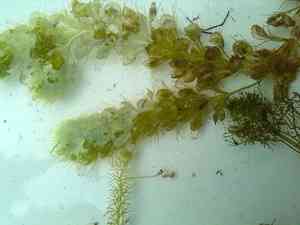
Waterwheel plant (Aldrovanda vesiculosa)
Also known as: Common aldrovanda
The genus Aldrovanda, now represented by a single living species, A. vesiculosa, once included up to 19 extinct species as evidenced by the fossil record. Despite exhibiting some morphological variability among different populations, A. vesiculosa shows remarkably low genetic diversity throughout its global distribution.
In This Article
Attributes of Waterwheel plant
Lifespan
Perennial
Plant Type
Herb
Plant Height
1-20 cm (0.4-7.9 inches)
Spread
N/A (free-floating aquatic plant)
Leaf Color
Green to reddish
Flower Size
4-5 mm
Flower Color
White to light pink
Images of Waterwheel plant
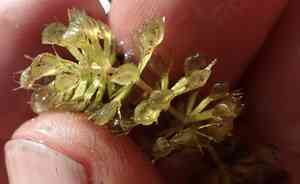
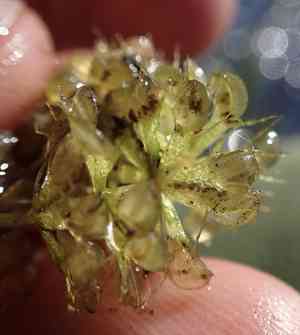
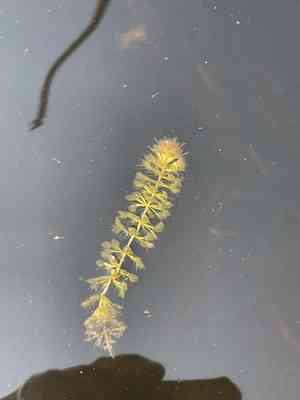
Quickly Identify Waterwheel plant
1
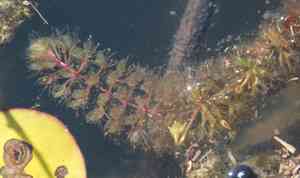
Identifying this plant involves looking for its whorled, snap-trap leaves that closely resemble spokes of a wheel. The plant consists of whorls of cylindrical, finely divided leaves.
Scientific Classification of Waterwheel plant
Phylum
Vascular plants
Class
Dicotyledons
Order
Caryophyllales
Family
Sundew
Genus
Aldrovanda
Species
Waterwheel plant
Planting and Growing of Waterwheel plant
Care Difficulty
Hard
Watering Schedule
Every 4 days
Sunlight Requirements
Partial sun
Sunshine Duration
6-10 hours
Ideal Temperature
70-85℉
Soil Type
Potting Mix, Peat Mix
Soil pH
6.5-7.5
Fertilizer Type
Balanced
Pruning Season
Spring, Summer
Pruning Area
Branches, Leaves
Pruning Frequency
2 times a year
Repotting Season
Spring
Pot Type
Ceramic, Plastic
 How to Water Waterwheel plant?
Aldrovanda vesiculosa thrives in wet, bog-like environments. Watering should mimic this by ensuring the plant is always submerged in soft, non-chlorinated water. It's essential that the entirety of the plant is covered, as this replicates its natural habitat and ensures optimal growth conditions. Regularly check the water level to maintain it at a consistent depth.
What are the symptoms of an underwatered Waterwheel plant?
›
What should I do if my Waterwheel plant is not getting enough water?
›
What are the symptoms of an overwatered Waterwheel plant?
›
How to save an overwatered Waterwheel plant?
›
 What Are the Sunlight Requirements for Waterwheel plant?
Partial sun exposure for 4 to 6 hours daily is ideal for Aldrovanda vesiculosa. This range supports healthy photosynthesis and prevents leaf damage from excessive light exposure.
What is the ideal lighting condition for Aldrovanda vesiculosa?
›
How can I provide the ideal lighting for this plant?
›
What are the benefits of providing ideal lighting conditions?
›
 What Is the Ideal Temperature Range for Waterwheel plant?
The ideal temperature range for growing Aldrovanda vesiculosa is between 70°F and 85°F. Maintaining this range encourages active growth and healthy development of the aquatic plant. Within these temperatures, the plant's metabolic rate is optimized, allowing for effective nutrient uptake and photosynthesis. Consistent temperatures within this range also minimize stress and reduce the risk of disease.
 What Soil is Best for Waterwheel plant?
Aldrovanda vesiculosa thrives in soils that retain moisture well, like peat soils. These soils help maintain necessary water levels, crucial for the plant's survival, as it is an aquatic species. This plant prefers nutrient-poor conditions. Excess nutrients can be detrimental. The ideal soil limits nutrient overload, supporting its natural digestive processes. Lower soil salinity ensures fewer disruptions in Aldrovanda vesiculosa's growth cycle. It prevents the buildup of substances that could hinder water absorption.
 How to Fertilize Waterwheel plant?
Aldrovanda vesiculosa, commonly known as the waterwheel plant, is a highly sensitive aquatic carnivorous plant that thrives in nutrient-poor conditions. It requires minimal fertilization to avoid disruption of its natural growth process. When fertilizing, it's crucial to apply very diluted solutions, around one-quarter of the concentration recommended for typical aquatic plants. This ensures that the plant receives nutrients without overwhelming its delicate roots.
 How to Prune Waterwheel plant?
Inspect the plant carefully to identify healthy leaves and stems from the older or dead parts. Look for brown or black, shriveled sections that need to be cut away, and use clean scissors to make precise cuts just above the healthy growth. Trim back any excessive growth that seems to overshadow other parts of the plant, ensuring there is a balance that allows for adequate sunlight and water circulation throughout. Be careful not to over-prune, which could stunt the plant's growth.
More About Pruning Techniques→
 How to Propagate Waterwheel plant plant?
1
Harvest fully mature seeds from parent plants carefully. After collection, clean them to remove any debris, as clean seeds reduce the chance of fungus and promote higher germination rates.
2
Select healthy stems of the plant, ensuring that each cutting contains several nodes. Cut the stems at an angle with sterilized scissors to increase the rooting potential.
3
Gently separate the clumps of the plant by hand or using scissors, making sure that each division has adequate roots. This method ensures that each new plant has a better chance of establishing and growing vigorously.
 How to Repot Waterwheel plant plant?
1
Aldrovanda vesiculosa should be repotted when water becomes murky, or growth appears stunted. Such signs, often visible in the warmer months, indicate it's time for a fresh start in new soil. Repotting during the growing season ensures optimal recovery and growth rate.
2
Choose a wide, shallow pot to allow the plant's delicate roots to remain submerged and spread freely. Using a container with no drainage holes prevents water loss, mimicking the plant's natural habitat. This choice promotes healthier development and better hydration.
3
Select sandy, acidic soil mixed explicitly for aquatic plants, often found in specialty gardening stores. This soil type mimics the plant's wild conditions, enabling it to absorb nutrients efficiently.



