How to Transplant Rain tree?
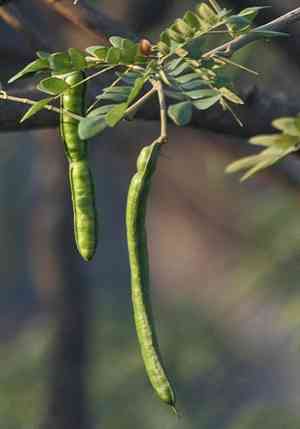
The optimal period for relocating a rain tree is during the vigorous phase of early to mid-spring, which facilitates strong root establishment prior to the warmth of summer. Choose a bright spot with soil that drains effectively to foster its development. Careful manipulation of the root system throughout this procedure guarantees a smooth adaptation.
What Preparations are Needed Before Transplanting Rain Tree?
What is the Ideal Time for Transplanting Rain Tree?
The perfect time for moving rain tree is when spring begins to stir, typically from late winter through the middle of spring. Relocating rain tree during this period takes advantage of the mild climate, allowing the roots to comfortably settle into their new spot with sufficient time to establish before the summer's intensity. This strategic timing promotes robust development, enhanced vitality, and a smooth transition, setting rain tree up for flourishing beauty.
How Much Space Should You Leave Between Rain Tree Plants?
When planning to transplant rain tree, ensure they have ample room to develop. Placing them 20-30 ft (6-9 m) apart will allow their expansive canopies to fully spread without crowding.
What is the Best Soil Mix for Rain Tree Transplanting?
Prepare a nourishing environment for rain tree by selecting a location with soil that drains effectively. Improve the soil with a balanced, slow-release fertilizer to give rain tree a strong start. This aids in establishing robust roots for your enduring plant.
Where Should You Relocate Your Rain Tree?
Choose a sunny location that receives abundant light for your rain tree, as they thrive in sunshine. An area that gets several hours of direct sunlight daily will help rain tree flourish and absorb the necessary warmth.
What Equipments Should You Prepare Before Transplantation Rain Tree?
Gardening Gloves
To safeguard your hands while handling soil and plants.
Spade or Shovel
For excavating the rain tree plant and preparing its new site.
Watering Can or Hose
To pre-moisten the plant before removal and to irrigate after replanting.
Wheelbarrow or Tarp
To move the rain tree plant from one spot to another without causing harm.
Pruning Shears
For trimming any damaged roots or branches.
Measuring Tape
To maintain appropriate distances between transplanted specimens.
Stake or Tree Guard
To support the rain tree plant in its new position, if required.
How Do You Remove Rain Tree from the Soil?
How Do You Remove Rain Tree from the Soil?
From Ground: Begin by watering the rain tree plant to moisten the earth. Next, dig a trench around the plant using a shovel or spade, making sure to keep the root ball intact. Gently pry the spade beneath the root ball to lift the plant from its original location.From Pot: Water the plant thoroughly. Tilt the pot sideways and tap the base to loosen the rain tree. Carefully ease the plant out, being careful not to pull it by the stem.From Seedling Tray: Dampen the soil to minimize root damage. Gently push from the bottom of the cell to lift the rain tree seedling out. Support the root ball as you extract it to prevent it from breaking apart.
Step-by-Step Guide for Transplanting Rain Tree
Dig New Hole
Excavate a hole in the ground that is twice the width of the rain tree's root ball and of equal depth to allow roots to spread.
Inspect the Roots
Examine the rain tree's roots, cutting away any broken or damaged ones with pruning shears.
Position the rain tree
Carefully place the rain tree into the new hole, ensuring it stands upright and at the same depth it was previously growing.
Fill the Hole
Backfill the hole with the removed soil, gently firming the earth around the rain tree's roots as you proceed to eliminate air pockets.
Water Thoroughly
Water the rain tree extensively to settle the soil around its roots and help establish initial moisture for the plant.
Stake if Necessary
If the rain tree is large or in a windy area, use a stake or tree guard to support the plant until its roots are established.
How Do You Care For Rain Tree After Transplanting?
Support
If you have used a stake, remember to adjust it as the rain tree grows to prevent it from girdling the bark.
Mulch Application
Apply a layer of organic mulch around the base of the rain tree to retain moisture, regulate soil temperature, and suppress weeds.
Regular Watering
Water the rain tree consistently to keep the soil uniformly moist for the initial several months until it is well-established.
Monitor and Treat
Keep a close watch on the rain tree for signs of stress and pests. Timely treatment with appropriate methods is crucial.
Seasonal Care
Understand the seasonal requirements of your rain tree, providing additional water during dry spells and less during cooler, dormant periods.
Troubleshooting Common Issues with Rain Tree Transplantation.
When's the best time to transplant rain tree for successful growth?
Transplant rain tree during early to mid-spring, ensuring it has time to establish before hot weather.
How far apart should I space rain tree when transplanting?
Allow rain tree to thrive by spacing them 20-30 ft (6-9 m) apart, providing ample room for growth.
What size hole is optimal for transplanting rain tree?
Dig a hole twice the width of the root ball and the same depth to encourage proper root expansion.
How often should I water rain tree after transplanting?
Water rain tree generously after planting and then regularly, allowing soil to dry slightly between waterings.
What should I do if my rain tree shows signs of transplant shock?
Keep the soil around rain tree consistently moist and provide shade if necessary to mitigate transplant shock.
Is there a specific soil type best for transplanting rain tree?
Plant rain tree in well-draining soil enriched with organic matter to improve its health and growth.
How deep should I water rain tree after transplanting?
Water deeply, reaching the entire root zone, to encourage downwards growth of roots for stability and nutrient uptake.
Can I transplant rain tree during the summer or fall?
Transplanting rain tree during early to mid-spring is ideal to avoid heat stress and cold damage.
What should I do to prepare rain tree for transplanting?
Water rain tree thoroughly a day before transplanting to hydrate it and make root ball removal easier.
How can I protect the roots of rain tree during transplantation?
Handle the root ball carefully, keeping soil intact around the roots to protect them from damage.



