How to Propagate Rain tree?
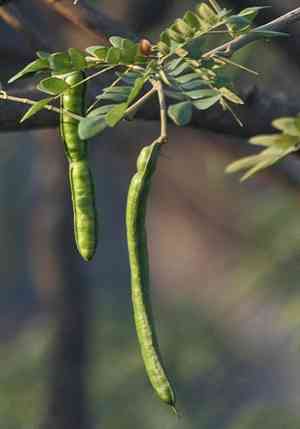
The Rain tree, a species characterized by its expansive, umbrella-shaped canopy, is typically reproduced via cuttings to preserve its advantageous traits. To achieve effective rooting, employ semi-hardwood cuttings sourced from robust, mature specimens. These cuttings require treatment with a suitable rooting hormone prior to being placed in a well-draining, nutrient-dense substrate to stimulate root formation.
When Is the Best Time to Propagate Rain Tree?
Propagation Method
Cuttings
Propagation Period
Fall,Winter
What Tools Are Used for Rain Tree Propagation?
Sharp Pruning Shears
These are vital for taking cuttings from rain tree. Sharp shears ensure a clean cut, preventing harm to the parent plant and increasing the likelihood of successful rooting. Clean cuts help prevent infection and promote faster healing and rooting.
Rooting Hormone
This compound encourages root development from rain tree cuttings. By dipping the cut end of a cutting into rooting hormone, the substance stimulates root cell growth at an accelerated rate compared to untreated cuttings. This boosts the chances of successful propagation.
Sterilizing Solution
Used for cleaning pruning shears and other tools, sterilizing solution prevents the spread of diseases between plants during the cutting process. For rain tree, which may be susceptible to certain pathogens, this tool is crucial for maintaining the health of both the parent and new plants.
Propagation Tray
These trays are used to organize and manage multiple cuttings in a controlled environment. The trays facilitate even watering and can be fitted with humidity domes to help create ideal conditions for rain tree cuttings until they establish roots.
Peat Moss
This medium is beneficial for rooting rain tree cuttings, as it retains moisture without becoming waterlogged. Moisture retention is crucial for cuttings to develop roots, and peat moss also provides a gentle texture that allows new roots to grow through easily.
How to Propagate Rain Tree?
Propagation Difficulty
Moderately Challenging
How to Care for Your Newly Propagated Rain Tree?
How to Care for Your Newly Propagated Rain Tree?
Once roots have formed, typically indicated by new growth, gradually acclimate rain tree to less humid conditions by opening the plastic cover incrementally over a week. Transplant rain tree to a larger pot with standard potting mix. Place the plant in a location with full sun to partial shade and water regularly, allowing the soil to dry slightly between waterings. Regular pruning helps maintain shape and encourages branching.
Common Mistakes to Avoid When Propagating Rain Tree
Incorrect Cutting Size
Using cuttings that are too small or large can lead to poor root development. Cuttings of improper size may not have enough stored energy or surface area for root and shoot formation, resulting in propagation failure.
Poor Cut Quality
Making jagged or crushed cuts when taking cuttings can damage vascular tissues, which are crucial for water and nutrient transport, reducing the cutting's survival chances.
Excessive Moisture
Providing too much water can lead to root rot and fungal diseases. High humidity and saturated soil are not conducive to healthy root growth and can kill the cutting before it takes root.
Ignoring Pest and Disease Control
Failure to monitor and manage pests and diseases during the early stages of propagation can cause cuttings to become weak or die.
Neglecting Acclimation
Rapidly moving a newly propagated rain tree to vastly different growing conditions without gradual acclimation can cause shock, leading to leaf drop or plant stress.
Tips For Propagating Rain Tree
Optimal Cutting Length
Choose cutting sizes between 5 to 8 inches long with at least two to three leaf nodes. This ensures a good balance between stored energy and potential rooting sites.
Clean Cut Technique
Use sharp, sterile tools to make a clean cut just below a node, this promotes better healing and encourages new roots to form from the node.
Managed Watering
Keep the soil moist but not waterlogged, and maintain moderate humidity to support root growth without promoting fungal growth.
Pest and Disease Management
Regularly inspect and treat for pests and diseases, using appropriate fungicides or insecticides as needed to keep the cutting healthy.
Gradual Acclimation
Slowly acclimatize the new rain tree to its permanent location by incrementally adjusting light, temperature, and watering conditions over several days.



