How to Prune Rain tree?
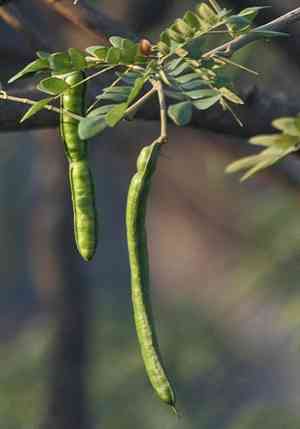
Celebrated for its expansive crown and frond-like foliage, the rain tree provides abundant cover in equatorial zones. Trimming ought to concentrate on eliminating lifeless or ailing limbs, reducing congested sections to boost air movement, and preserving a symmetrical form. The optimal time for pruning is early spring or late winter, aligning with its inactive phase to lessen strain. Deliberate cuts improve the rain tree's well-being, avert structural problems, and stimulate revitalization. Attending to this variety can also decrease fallen leaves and control its widespread development.
Advantages of Trimming Rain Tree
Advantages of Trimming Rain Tree
Trimming rain tree promotes robust development and helps maintain its desired form. Consistent pruning fosters a dense canopy, ensuring ample shade. It also prevents excessive growth, making rain tree suitable for landscaped areas.
Optimal Period for Pruning Rain Tree
Optimal Period for Pruning Rain Tree
Pruning rain tree in late winter and early spring is advantageous as this timing precedes the new growth cycle, allowing the plant to recover and efficiently use energy for developing new branches and leaves. Late winter pruning minimizes disease risk when the plant's dormancy prevents active parasites and pathogens. Early spring pruning aligns with rising temperatures and sap flow, facilitating quick wound closure and recovery. Avoid pruning during or just before the flowering period of rain tree to prevent loss of blooms and potential fruit production.
Tools Required for Pruning Rain Tree
Hand Pruners
For smaller branches and general upkeep of rain tree, hand pruners are essential. They enable precise cuts and can manage branches up to ¾ inch thick.
Loppers
For branches too thick for hand pruners, typically between 1½ to 2 inches in diameter, loppers provide the necessary leverage. Use loppers for cutting branches in the mid-growth range of rain tree.
Pruning Saw
Thicker branches of rain tree, which loppers cannot handle, require a pruning saw. A pruning saw is capable of cutting branches over 2 inches in diameter. It's crucial to use a sharp, high-quality saw to make clean cuts that will heal properly.
Pole Pruner
Due to the height of rain tree, pole pruners are beneficial for reaching higher branches without needing a ladder. They usually combine a saw and a lopper on an extendable pole, offering versatility for different thicknesses.
How to Prune Rain Tree
Choose Tools
Select appropriate pruning tools, such as hand pruners for smaller branches, loppers for medium-sized branches, and a pruning saw for large dead or diseased branches of rain tree.
Clean Cut
Make clean cuts at a 45-degree angle about a quarter inch above an outward-facing bud or branch to encourage proper growth and healthy air circulation for rain tree.
Remove Dead
Identify and carefully remove all dead branches, cutting them back to their point of origin or to the nearest live and healthy lateral branch for rain tree.
Eliminate Diseased
Prune away any diseased branches of rain tree immediately to prevent disease spread; dispose of them properly and sterilize your tools after each cut to avoid cross-contamination.
Final Inspection
Conduct a final inspection of rain tree to ensure all dead and diseased branches have been removed and the tree's overall structure is healthy, with a balance of foliage and branches.
Common Pruning Errors with Rain Tree
Over-Pruning
Removing too much foliage at once can stress rain tree, leading to reduced growth and vitality. Aim to remove no more than one-third of the crown at a time.
Improper Tool Use
Using dull or dirty pruning tools can result in jagged cuts and increase the risk of disease. Always use sharp, clean tools for clean cuts.
Topping
Cutting off the top of rain tree to reduce its height can disrupt its natural growth pattern and lead to weak new growth. Instead, selectively thin branches to reduce height.
Neglecting Deadwood
Failing to remove dead or damaged branches can invite pests and diseases. Regularly inspect rain tree and remove these branches to maintain its health.
Flush Cutting
Making cuts too close to the trunk removes the branch collar, impeding the rain tree's natural healing process and inviting decay. Leave the collar intact when pruning.
Common Pruning Advice for Rain Tree
Selective Thinning
Target specific branches to enhance the rain tree's structure and light penetration. Remove branches that cross, rub, or show signs of weakness.
Wound Care
For larger cuts, ensure proper wound care to facilitate healing. Although rain tree generally heals well, you can consider applying a thin layer of pruning paste if necessary.
Pruning For Shape
Maintain the natural umbrella-like shape of rain tree by carefully selecting branches to cut back. This preserves its aesthetics and growth habit.
Follow Natural Contours
When reducing the size of rain tree, follow its natural contours, preserving as much of the canopy's shape as possible to keep the tree balanced.
Growth Stimulation
By thinning out crowded branches, rain tree's remaining branches can grow more vigorously due to reduced competition, promoting a fuller canopy and better flowering.



