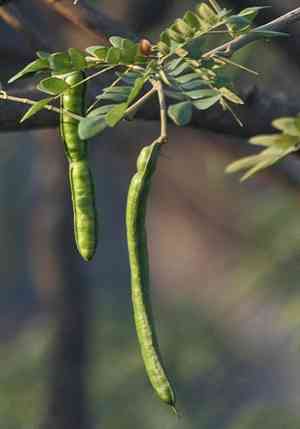
Rain tree (Albizia saman)
Also known as: Cow tamarind, East indian walnut, Acacia preta
The rain tree (Albizia saman) can grow up to 24 meters tall. To protect itself, it folds its leaves during rain, cloudy weather, and nighttime. This behavior helps conserve water and prevents leaf damage. The tree also produces sturdy lumber with a wavy grain, and parts of it are toxic, so handle with care.
Attributes of Rain tree
Images of Rain tree
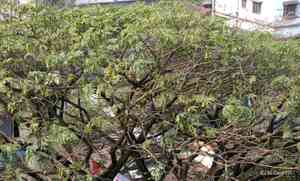
Quickly Identify Rain tree
Scientific Classification of Rain tree
Planting and Growing of Rain tree
 How to Water Rain tree?
 What Are the Sunlight Requirements for Rain tree?
 What Is the Ideal Temperature Range for Rain tree?
 What Soil is Best for Rain tree?
 How to Fertilize Rain tree?
 How to Prune Rain tree?
 How to Propagate Rain tree plant?
 How to Repot Rain tree plant?
Toxicity of Rain tree
Is Rain tree toxic to humans?
The rain tree presents a mild toxicity hazard to humans, mainly through unintentional consumption. This entire plant is composed of compounds like tannins, saponins, and glucosides, which can trigger negative reactions. When these substances are swallowed, they may result in symptoms such as gastrointestinal distress, nausea, and allergic responses. The intensity of these symptoms can vary based on the quantity ingested and the individual's sensitivity. Since every part of the rain tree has the potential to be poisonous, it is advisable to exercise caution to avoid unintentional ingestion, particularly among more vulnerable groups, such as children who may be drawn to its attractive appearance.
Is Rain tree toxic to cat?
The rain tree represents a slight toxicity risk for cats. Ingestion of any part of the plant, even accidentally, can result in poisoning. Cats may show symptoms of illness upon contact with the rain tree, which is due to the presence of tannins, saponins, and glucosides in it. Cat owners must vigilantly observe their pets and obtain prompt veterinary assistance if any signs of distress or illness occur following exposure to the rain tree.
Is Rain tree toxic to dog?
The rain tree is recognized for possessing a moderate level of toxicity for dogs. Canines may experience poisoning if they inadvertently consume any portions of the plant. All parts of the rain tree, including the leaves, bark, and seeds, should be regarded as potentially dangerous when ingested. Dogs that have ingested portions of the rain tree may show signs such as gastrointestinal distress or skin irritation. If you think your dog has eaten any part of the rain tree, it is crucial to obtain immediate veterinary assistance to guarantee proper treatment and management of any negative reactions.



