Enhancing Your Garden Design with the Rain tree Plant: A Landscaping Guide
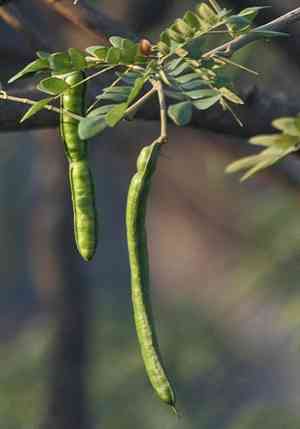
1
The Rain tree offers a distinct aesthetic with its expansive crown and fine leaves.
2
Correct positioning and care for the Rain tree can greatly boost your garden's beauty and environmental benefits.
3
Incorporating the Rain tree with suitable plants and design concepts can foster a balanced and flourishing garden environment.
Exploring the Distinctive Qualities of the Rain Tree
Aesthetic Appeal: What Makes the Rain Tree Stand Out?
A primary reason the Rain Tree is cherished in landscaping is its remarkable visual charm. With its broad, umbrella-like crown and finely divided leaves, it offers excellent shade and a soft, filtered light effect that is both refreshing and inviting. Its delicate pink blossoms add a touch of grace and beauty, making it a focal point in any garden. The overall form and look of the Rain Tree can create a tranquil and picturesque garden setting, ideal for relaxation and leisure.
Growth and Dimensions: How Large Does the Rain Tree Become?
The Rain Tree can grow quite large, reaching heights of up to 80 feet with a canopy that can spread equally wide. This means it requires considerable space to fully develop and flourish. Understanding its growth potential is vital when planning your landscape design, as you'll need to consider both the vertical and horizontal area available. Planting the Rain Tree where it has room to grow will ensure it becomes a magnificent centerpiece rather than an overcrowded addition.
Seasonal Transformations: What to Expect From the Rain Tree Throughout the Year?
The Rain Tree undergoes several seasonal changes that can add dynamic interest to your landscape. In spring and summer, it bursts into bloom with its distinctive pink flowers, attracting pollinators and adding vibrant color. In autumn, the leaves may turn a lovely golden hue before dropping, creating a beautiful seasonal display. Understanding these changes will help you anticipate the visual evolution of your garden and plan accordingly for year-round beauty.
Selecting the Ideal Location for Your Rain Tree
Light Requirements: Where Does the Rain Tree Flourish Best?
The Rain Tree thrives best in full sunlight, which ensures vigorous growth and abundant flowering. While it can tolerate partial shade, positioning it in an area where it receives at least 6-8 hours of direct sunlight daily will yield the best results. Consider placing the Rain Tree in a prominent, sunlit part of your garden to maximize its health and aesthetic impact.
Soil Considerations: What Type of Soil Does the Rain Tree Prefer?
The Rain Tree prefers well-drained, loamy soil but is quite adaptable to various soil types, from sandy to clay. Ensuring the soil is rich in organic matter will further support its growth and vitality. If your garden soil is heavy or compacted, consider amending it with compost or other organic materials to improve drainage and fertility.
Spacing: How Much Area Does the Rain Tree Need to Thrive?
Given its potential size, the Rain Tree requires ample spacing to avoid competition with other plants and to ensure it can spread its canopy freely. Aim to plant the Rain Tree at least 20-30 feet away from other large trees or structures. Adequate spacing will allow the Rain Tree to fully develop its characteristic wide canopy and will prevent overcrowding, which can hinder its growth.
Incorporating the Rain Tree into Your Existing Landscape
Companion Plants: What Grows Well with the Rain Tree?
Pairing the Rain Tree with complementary plants can create a cohesive and visually appealing garden. Consider plants with contrasting textures and colors, such as ornamental grasses, flowering shrubs, or ground covers. Plants that thrive in similar sunlight and soil conditions will grow harmoniously with the Rain Tree, contributing to a balanced and thriving garden ecosystem.
Design Concepts: How Does the Rain Tree Fit into Various Garden Styles?
The Rain Tree is versatile and can fit into various garden design themes, from tropical and Mediterranean to contemporary and cottage styles. Its graceful structure and lush foliage make it an excellent choice for creating shaded walkways, focal points in open lawns, or borders for garden beds. Aligning the Rain Tree with your gardenâs overall theme will enhance the visual continuity and aesthetic appeal.
Wildlife Attraction: Can the Rain Tree Help Support Local Wildlife?
The Rain Tree can significantly contribute to supporting local wildlife. Its flowers attract pollinators like bees and butterflies, and its canopy provides shelter for birds and small mammals. Incorporating the Rain Tree into your garden not only beautifies your landscape but also promotes biodiversity and creates a habitat for beneficial wildlife.
Caring for Your Rain Tree for Enduring Health and Beauty
Pruning Advice: Keeping the Rain Tree in Optimal Form
Regular pruning is essential to maintain the shape and health of the Rain Tree. Prune dead or diseased branches to encourage new growth and to prevent the spread of decay. Light pruning can also be done to shape the canopy and improve air circulation. The best time to prune the Rain Tree is during its dormant season, which will minimize stress and promote vigorous regrowth.
Seasonal Maintenance: Necessary Adjustments Throughout the Year
Adjusting your care routine according to the seasons will keep the Rain Tree thriving. In spring and summer, ensure it receives ample water, especially during dry spells. Mulching around the base can help retain moisture and regulate soil temperature. In autumn, clearing fallen leaves will prevent disease and allow for healthy root development. Winter care may involve protecting younger trees from frost damage if you live in a cooler climate.
Longevity: Ensuring the Lifespan of Your Rain Tree
To ensure the longevity of the Rain Tree, provide consistent care and monitor for pests and diseases. Regularly inspect the tree for signs of stress, such as yellowing leaves, which could indicate nutrient deficiencies or water issues. Implementing an integrated pest management approach will help keep harmful insects at bay without disrupting the ecological balance of your garden. With proper care, the Rain Tree can be a beautiful and lasting addition to your landscape for many years.



