How to Transplant Yant?
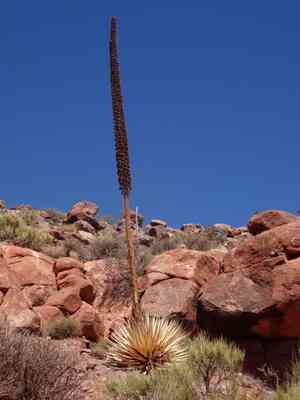
The most favorable period for transplanting yant is from mid to late spring or the beginning of early summer, which guarantees successful integration. Select locations offering superior drainage and complete sunlight to suit this robust perennial's affinity for dry environments. During the replanting process, disturbing the soil as little as possible aids yant's root adaptation.
What Preparations are Needed Before Transplanting Yant?
What is the Ideal Time for Transplanting Yant?
The best time to move yant is from the refreshing period of mid-spring to the start of early summer. This timeframe allows yant to establish itself well, benefiting from mild temperatures and stable weather. Transplanting during this season promotes robust root growth before the summer heat, ensuring yant's successful development.
How Much Space Should You Leave Between Yant Plants?
Before relocating yant, ensure ample room. Ideally, each plant should be spaced 6-8 feet (1.8-2.4 meters) apart. This guarantees sufficient area for each to grow and flourish properly.
What is the Best Soil Mix for Yant Transplanting?
The correct soil for yant is crucial. This plant thrives in well-draining, sandy or gritty soil. Preparing the soil with a balanced, slow-release fertilizer will set them up for sustained success.
Where Should You Relocate Your Yant?
When choosing a spot for yant, sunlight is vital. Select a location that receives full sun exposure. By doing so, these perennials can absorb the light they need to thrive!
What Equipments Should You Prepare Before Transplantation Yant?
Gardening Gloves
Shield your hands from any sharp thorns or from the plant's sap, which can sometimes cause irritation.
Shovel or Spade
For digging a suitably sized hole for yant's root ball, and for extracting the plant from its original spot.
Trowel
This implement is perfect for making smaller holes if you're moving a seedling with a small root ball.
Garden Fork
This is used for gently loosening the soil around yant to facilitate easy and safe removal.
Watering Can
This will be necessary to moisten the soil of the planting hole and the plant after relocation.
Mulch
Mulch is an important material to help retain soil moisture and prevent weeds around the base of your yant.
How Do You Remove Yant from the Soil?
How Do You Remove Yant from the Soil?
From Ground: First, use a garden fork to carefully loosen the soil surrounding the yant. Do this gently to avoid damaging the root system. This will make removing the plant easier. Next, use a shovel to dig a wide circle around the yant. Ensure the circle is large enough to prevent root damage. Once the circle is sufficient, you can use the shovel to lift the plant. Be cautious when lifting, as yant's leaves can be spiny and sharp.From Pot: First, thoroughly water your potted yant to aid in the transition and removal from the pot. Next, tilt the pot on its side and lightly tap it to loosen the plant. Then, gently pull it out from the pot. Try to extract as much of the root system as possible.From Seedling Tray: If you're taking a yant seedling from a tray, begin by watering the tray. Then, gently grasp the seedling near its base, and carefully lift it. Use your other hand to support the root ball.
Step-by-Step Guide for Transplanting Yant
Hole preparation
Begin by digging a hole. The hole should be twice the width of the root ball and equally deep.
Placement
Lower the yant plant into the hole, ensuring it stands upright. It's vital that the root ball is level with the soil surface – it should not be planted too deep or too shallow.
Backfill
Refill the hole using the excavated soil. Be sure to gently firm the soil around the plant to eliminate any air pockets.
Water
Thoroughly water the yant plant. This will help settle the soil and provide essential moisture for the plant, especially during its initial days after transplantation.
Mulch
After watering, apply a 2-3 inch layer of mulch around the plant. This will help retain moisture and prevent weed growth.
How Do You Care For Yant After Transplanting?
Disease Prevention
Be watchful for signs of pests or diseases, and treat as necessary. Yant's most common threats are agave snout weevil and fungal diseases, which can occur due to waterlogging.
Frequency of Watering
Yant plant does not require frequent watering as it is drought-tolerant. Water only when the top inch of soil is dry. Avoid over-watering.
Pruning
Regular pruning of the plant is not necessary. However, if the plant appears too large or has dead leaves, you can prune to maintain its appearance.
Troubleshooting Common Issues with Yant Transplantation.
When is the ideal time to transplant yant?
The prime season for relocating yant is between late spring and mid-autumn.
What is the recommended spacing when transplanting yant?
Maintain a distance of 6-8 feet (1.8-2.4 meters) between each yant when transplanting for optimal growth.
What type of soil is best for transplanting yant?
Yant thrives in well-draining soil. Loamy or sandy soil with a pH between 6.0 and 7.5 would be ideal.
How deep should the hole be when transplanting yant?
The hole should be at least 2-3 times the width of yant's root ball and equally deep.
How should I handle yant during transplantation?
Gently remove yant from its original container, disturbing its roots as little as possible. Handle with care to prevent damage.
What follows after putting yant into the hole during transplantation?
Gently backfill the hole, ensuring yant's roots are covered but the stem remains above the soil surface.
What watering regimen should I follow post-transplanting yant?
Water yant thoroughly after transplanting. Thereafter, maintain moderate watering, ensuring the soil remains moist but not waterlogged.
How to mitigate transplant shock for yant?
Limit exposure to harsh weather conditions just after transplantation. A shady outdoor place or indoor space is ideal initially.
What should I do if the yant starts wilting after the transplant?
If your yant wilts after transplanting, it may be experiencing shock. Reduce sun exposure, maintain watering, and don't fertilize immediately.
What kind of fertilizers are needed after transplanting yant?
Yant doesn't require immediate fertilization post-transplant. You can start a balanced, slow-release fertilizer about a month after the transplant.



