How Much Sunlight Do Yant Need?
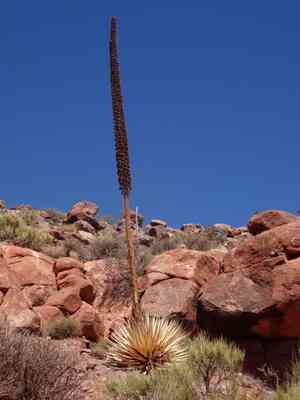
1
Yant flourishes in direct sunlight, requiring more than six hours of sun each day.
2
Insufficient light exposure may lead to Yant developing elongated stems and diminished coloration.
3
Throughout the summer, Yant withstands strong sun, though some afternoon shade can protect against scorching.
How Much Sunlight Does Yant Need?
Ideal Sunlight Exposure for Yant
Yant, a plant from arid regions, thrives in full sun. This means it needs at least six hours of direct sunlight daily. Full sun exposure helps Yant grow strong foliage and stay healthy. When planted outside, placing it in an area with clear sunlight is vital. Given its natural habitat, Yant has adapted to intense sun, making it perfect for sunny spots.
Minimum Sunlight Requirements
While Yant prefers full sun, it can handle partial shade. Partial sun means the plant gets three to six hours of sunlight. However, with less than three hours of direct sun daily, Yant may struggle. Not enough sunlight can cause issues like poor growth, reduced vigor, and loss of the beautiful rosette shape typical of healthy Yant plants.
Best Locations for Yant to Get Sunlight
Outdoor Placement
Outdoors, Yant should be planted where it receives full sunlight for most of the day. Ideal spots include south-facing gardens or areas not shaded by trees or buildings. Also, planting Yant on raised ground or rockeries can boost sun exposure by reducing obstructions. If possible, avoid high-traffic areas that could harm the plant.
Indoor Placement
When growing Yant indoors, placing it near south or west-facing windows ensures it gets enough light. Windows with bright, direct sunlight are best, but if direct sun is scarce, a grow light can help. These artificial lights, set to mimic full sun's intensity and duration, can keep your indoor Yant flourishing even with limited natural light.
How to Adjust Sunlight for Yant
Managing Too Much Sunlight
While Yant tolerates a lot of sun, extreme and prolonged sunlight, especially in peak summer, can cause sunburn or stress. To prevent this, provide temporary shade during the hottest part of the day using shade cloths. This method diffuses intense rays without compromising the plant's light needs.
Increasing Sunlight Exposure
If your Yant isn't getting enough sunlight, moving it to a brighter spot is crucial. For outdoor plants, removing barriers or pruning nearby foliage might help. Indoors, relocating Yant to a brighter window or using grow lights can make up for a lack of natural sunlight, ensuring the plant's continued growth and vitality.
Signs of Insufficient or Excess Sunlight for Yant
Symptoms of Sunlight Deficiency
If Yant isn't getting enough sunlight, you'll notice several clear signs. The plant might become leggy, stretching to find more light. Another common symptom is its vibrant green color fading to a pale or yellowish hue. Additionally, new growth may be sparse and weak, harming the plant's overall health and appearance.
Indicators of Sunburn or Sun Stress
Too much sunlight can also cause problems for Yant. Symptoms of sunburn include browning or bleaching of the leaves. These areas might look scorched or have a papery texture. Another sign is wilting during the hottest parts of the day, even if the plant has enough water. Adjusting sunlight or providing occasional shade can ease these symptoms.
Seasonal Sunlight Needs for Yant
Sunlight in Summer
During summer, Yant benefits from abundant sunlight. However, it's important to check the plant for signs of sunburn. You might need to provide midday shade, especially during heatwaves, to prevent damage. Ensure the plant has enough water to handle increased sunlight and evaporation.
Sunlight in Winter
In winter, sunlight hours are shorter, which can be tough for Yant. Place the plant in the brightest indoor spot available, preferably south-facing windows, to maximize light exposure. If natural light is insufficient, supplementing with artificial grow lights will help maintain the plant's health throughout the cold season.



