How to Prune Yant?
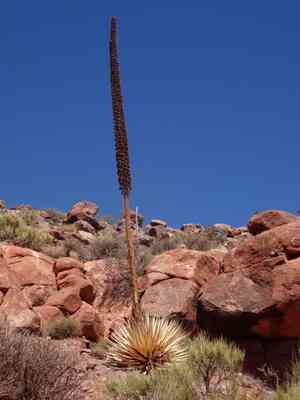
Distinguished by its clustered leaves and pointed foliage, yant needs very little trimming, mainly to eliminate withered or compromised leaves. Ideally pruned in late winter or early spring, this proactive upkeep encourages robust development and deters ailments. It's important to be careful to retain the distinctive rosette form when grooming the plant. The advantages of trimming yant encompass enhanced appearance and the elimination of potential havens for insects.
Advantages of Trimming Yant
Advantages of Trimming Yant
Trimming yant promotes robust development by reallocating resources to healthy sections. It also assists in preserving its desired form, ensuring yant remains compact and visually appealing.
Optimal Time for Trimming Yant
Optimal Time for Trimming Yant
Yant experiences active growth during spring and summer, making late winter or early spring the best time for trimming. This timing allows for the removal of dead or damaged parts before new growth begins, fostering healthier and more vigorous plants. Pruning during these seasons minimizes stress and maximizes yant's quick recovery. It also helps shape the plant and directs its energy towards producing strong new growth instead of maintaining old or unnecessary foliage. Additionally, trimming before hotter weather helps prevent potential infections at cut sites, as the drier conditions of late winter and early spring reduce disease likelihood.
Necessary Tools for Trimming Yant
Long-Handled Loppers
These are useful for reaching into yant's dense clusters to trim without getting too close to its sharp spines.
Pruning Saw
For larger, woodier sections of yant, a pruning saw can make clean cuts through tough material.
Heavy-Duty Gloves
Essential for protecting hands from yant's sharp spines and edges during trimming.
Eye Protection
To guard against potential injury from flying debris or accidental contact with yant's spines.
How to Trim Yant
Prepare Tools
Sanitize your trimming tools with a solution of one part bleach to nine parts water to prevent disease spread.
Identify Parts
Carefully examine yant to identify diseased and withered leaves that require removal.
Cut Diseased Leaves
Using your sanitized tools, carefully cut any diseased leaves at their base where they meet the stem, avoiding damage to surrounding healthy tissue.
Remove Withered Leaves
Remove withered leaves by gently pulling them away from the plant base if they detach easily, or by cutting them off if they remain firmly attached.
Clean Up
Dispose of removed material away from healthy plants and clean your tools again to prevent the spread of any potential pathogens.
Common Trimming Errors with Yant
Over-trimming
Removing too much of yant's foliage can stress the plant, potentially leading to weak growth or even death. It's crucial to never trim more than necessary.
Improper Tool Use
Using dull or dirty trimming tools can result in jagged cuts or introduce pathogens to yant, causing harm and hindering proper healing.
Incorrect Cut Location
Making cuts too close to the trunk or too far from the leaf base can damage yant by either harming its central core or leaving stubs that can rot.
Trimming Live Floral Stalks
Cutting off live blooms or budding stalks can prevent yant from flowering. These should only be removed once they have completely withered.
General Trimming Advice for Yant
Tool Sterilization
Before trimming, always sterilize tools to prevent disease spread to yant. This is vital for maintaining plant health.
Trim Dead Material
Focus on removing dead or damaged leaves and spent flower stalks to direct yant's energy into new growth and maintain a neat appearance.
Protective Gear
When handling yant, wear gloves and eye protection to avoid injury from the plant's sharp leaf edges.
Diagonal Cuts
For any necessary cuts, making a clean, diagonal cut away from yant's center aids in proper healing and water runoff, which can prevent rot.
Post-Trim Care
After trimming, providing yant with appropriate water (being careful not to overwater) and possible fertilization can promote recovery and robust growth.



