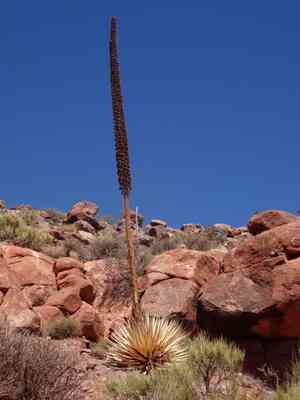
Yant (Agave utahensis)
Also known as: Clark mountain agave, Ivory-spined agave
Agave utahensis, also known as Yant, is an evergreen perennial succulent indigenous to the southwestern United States. It is relatively rare in regions such as Utah, Nevada, Arizona, and California. Renowned for its exceptional cold tolerance, this species is among the most resilient agaves in colder climates.
In This Article
Attributes of Yant
Lifespan
Perennial
Plant Type
Herb
Plant Height
15 cm to 60 cm
Spread
30 cm to 90 cm
Leaf Color
Green Gray Silver
Flower Size
5 cm to 8 cm
Flower Color
Yellow
Images of Yant
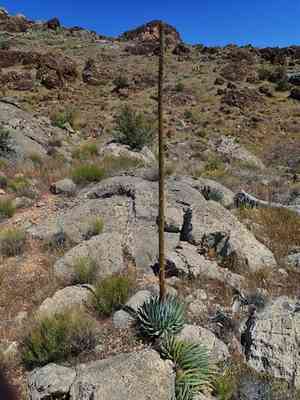
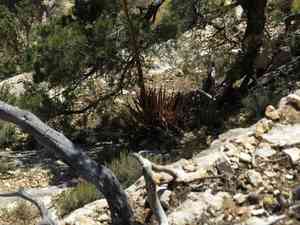
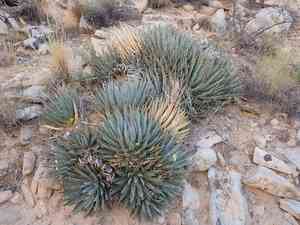
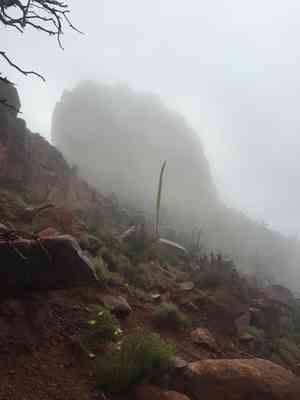
Quickly Identify Yant
1
Identify Agave utahensis by its compact rosettes of blue-green leaves, which are typically 20-30 cm long, each ending in a long, sharp spine. The leaf margins are armed with smaller, sharp teeth.
Scientific Classification of Yant
Phylum
Vascular plants
Class
Monocotyledons
Order
Asparagales
Family
Asparagus
Genus
Agaves
Species
Yant
Planting and Growing of Yant
Care Difficulty
Easy
Watering Schedule
Every 2 days
Sunlight Requirements
Full sun
Sunshine Duration
10-12 hours
Ideal Temperature
60-80℉
Soil Type
Potting Mix, Peat Mix
Soil pH
6.5-7.5
Fertilizer Type
Balanced
Pruning Season
Spring, Summer
Pruning Area
Branches, Leaves
Pruning Frequency
2 times a year
Repotting Season
Spring
Pot Type
Terracotta, Plastic
 How to Water Yant?
For Agave utahensis, water the plant with approximately 100 milliliters each time. This amount ensures the water penetrates the roots, promoting healthy growth while avoiding excess moisture that could lead to root rot.
What are the symptoms of an underwatered Yant?
›
What should I do if my Yant is not getting enough water?
›
What are the symptoms of an overwatered Yant?
›
How to save an overwatered Yant?
›
 What Are the Sunlight Requirements for Yant?
Agave utahensis prefers full sun exposure. Exposure to 6 to 8 hours of direct sunlight encourages strong growth, vibrant colors, and flowering. Proper sun exposure enables the plant to maximize photosynthesis efficiently.
More About Sunlight Requirements Techniques→
What is the optimal sunlight exposure for Agave utahensis?
›
What solutions exist for ideal light conditions?
›
What are the benefits of achieving ideal light conditions for Agave utahensis?
›
 What Is the Ideal Temperature Range for Yant?
The ideal temperature range for Agave utahensis is between 60°F and 80°F. This range ensures optimal growth and health, as it mimics the native warm climate conditions where the plant naturally thrives. Maintaining these temperatures helps the plant perform necessary physiological processes smoothly.
 What Soil is Best for Yant?
Agave utahensis thrives in well-draining soil to avoid root rot. Sandy textures facilitate drainage, ensuring roots remain healthy and oxygenated, which is crucial for optimal growth. This plant prefers soils that are not overly rich in organic matter. Moderate nutrient levels encourage the plant to develop a hardy structure and maintain its unique, striking appearance. Incorporating gravel or small stones into the soil mixture helps mimic the plant's natural rocky habitat, enhancing stability and promoting robust root establishment.
 How to Fertilize Yant?
Agave utahensis is a low-maintenance plant that doesn't require heavy fertilization. When using liquid fertilizer, dilute it to half-strength to avoid over-fertilization. For slow-release fertilizers, use a small handful (approximately 1 tablespoon) per plant per application.
 How to Prune Yant?
Inspect the plant to identify any leaves that are brown, dry, or damaged. These are the leaves you’ll need to remove to maintain the plant's health and appearance. Using your sterilized shears, make a clean cut close to the base of the leaf you are removing. Avoid cutting into the main body to prevent unnecessary stress on the plant. Remove the cut leaves from the area to prevent pests or diseases from developing. Disposing of them properly helps maintain a clean environment for your agave.
More About Pruning Techniques→
 How to Propagate Yant plant?
1
Prepare the seed tray with a well-draining soil mix. Sprinkle Agave utahensis seeds on the surface, cover them lightly with fine sand or soil, and mist the area to provide moisture. Place the tray in a warm, bright location away from direct sunlight.
2
Identify healthy offsets at the base of the parent plant. Use a sterile knife to carefully cut them away, keeping roots intact where possible. Plant each offset in its own pot with a suitable cactus soil mix.
3
Once seeds have germinated, maintain slight moisture in the soil and gradually expose seedlings to more light. Avoid overwatering as seedlings are prone to rot. Transplant them when they are large enough to handle, usually after a few months.
 How to Repot Yant plant?
1
Agave utahensis should be repotted when you notice that the roots are overcrowded, poking out of the drainage holes, or the plant has visibly slowed its growth. The best time to repot is during the growing seasons of spring or early summer, ensuring that the plant is at its healthiest and can recover quickly in its new environment.
2
Select a pot that is slightly larger than the current one, with adequate drainage holes. A terracotta pot is often recommended as it allows for better air exchange and moisture evaporation, reducing the risk of root rot. The right pot size helps prevent overwatering and provides the roots with ample space to grow.
3
Opt for a well-draining cactus mix soil that mimics the plant's natural, arid environment. This type of soil prevents waterlogging, allowing the roots to breathe and minimizing the likelihood of root rot. The gritty texture ensures excess water drains away quickly, keeping the roots healthy.



