Enhancing Your Garden Design with the Yant Plant: A Landscaping Guide
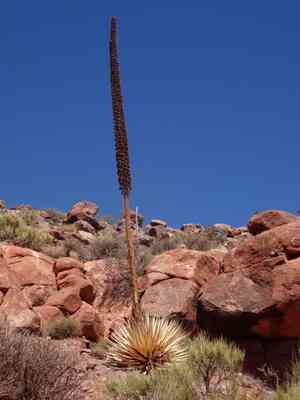
1
Yant tolerates dry conditions well, perfect for water-wise landscaping.
2
Yant's distinct form and hue make it a superb centerpiece for any outdoor space.
3
For best development, position Yant in soil that drains effectively and receives sufficient sun.
Understanding the Fundamentals of Yant in Garden Design
Why is Yant a suitable choice for garden aesthetics?
Selecting Yant for your garden scheme is a wise decision due to its durability and visual appeal. This plant is recognized for its capacity to adapt to challenging conditions, especially its ability to flourish in arid regions. Its low-maintenance nature is ideal for gardeners desiring an attractive yard without constant upkeep. Furthermore, Yant adds a distinct architectural element to any garden with its striking form and elegant structure.
Yant's Characteristics: Dimensions, form, and hue
Yant distinguishes itself through its unique size, shape, and color. Typically, it exhibits a compact, rosette configuration with blue-green foliage that can have either smooth or serrated edges, adding texture to your garden. Depending on the cultivar, Yant's dimensions can vary, making it adaptable for diverse garden spaces, from small rockeries to larger landscape features. Its coloration provides a refreshing contrast to typical green leaves, creating a captivating focal point.
Designing with Yant: Placement and Visual Charm
Strategic positioning of Yant for optimal development
To maximize Yant's potential in your landscape design, its placement is critical. Ensure it receives ample sunlight as Yant thrives in bright, direct light. Well-draining soil is crucial to prevent root rot, a common problem if the plant remains in waterlogged conditions. Slightly elevate Yant or position it on a slope to improve drainage, and consider using it as a focal point in a rock garden or as part of a desert-themed landscape.
Pairing Yant with other plants in your garden
Yant complements a variety of other plants, especially those that share its water requirements and soil preferences. Combine Yant with other drought-tolerant species like succulents, cacti, and ornamental grasses to create a cohesive, low-maintenance landscape. The contrasting shapes and colors can generate dynamic visual interest, while also ensuring that the plants' care needs are aligned. This approach not only enhances beauty but also simplifies garden upkeep.
Seasonal considerations for Yant in landscape plans
When incorporating Yant into your garden, consider the seasonal changes your area experiences. While Yant is resilient, protecting it during extreme cold spells, particularly if you're in a region with harsh winters, is essential. During the active growth period, monitor conditions to ensure the plant isn't overwatered by sudden rainfall. Using mulch can help regulate soil moisture and temperature, aiding in Yant's resilience through seasonal shifts.
Practical Advice for Integrating Yant into Gardens
The significance of soil composition and sun exposure
Yant requires well-draining soil to flourish, as waterlogged ground can lead to root problems. Sandy or gravelly soils are ideal. If your garden's soil is heavy or clay-based, consider amending it with sand or utilizing raised beds to ensure better drainage. Position your Yant in areas where it will receive full sun; optimal exposure promotes vigorous growth and vibrant color. This setup mimics its natural desert habitat, fostering a healthier plant.
Yant's watering requirements and drought tolerance
One of Yant's prominent features is its drought resistance. Once established, Yant needs minimal watering, making it perfect for xeriscaping. Water thoroughly but infrequently, allowing the soil to completely dry out between waterings. During the hottest months, you might need to water a bit more, but overall, Yant is quite self-sufficient. Overwatering can be more detrimental than underwatering, so exercise caution.
Maintaining Yant in Your Landscaping Over Time
Regular care routines for Yant
Maintaining Yant is relatively simple. Periodically inspect the plant for signs of stress or pests, though this is uncommon. A once-yearly application of slow-release fertilizer in the spring can encourage healthy growth. Clear away any debris around the plant's base to prevent rot and ensure good air circulation. Routine checks allow you to detect and address any potential issues early, keeping your Yant thriving.
Seasonal trimming and upkeep suggestions
Pruning Yant is minimal but crucial for its health and appearance. Remove any dead or damaged leaves using clean, sharp tools to prevent disease spread. If your Yant produces offshoots or 'pups', you can remove these to prevent overcrowding, or replant them to propagate new plants. Seasonal maintenance ensures your Yant remains a prominent feature in your landscape, contributing to your garden's overall appeal and health.



