How to Propagate Yant?
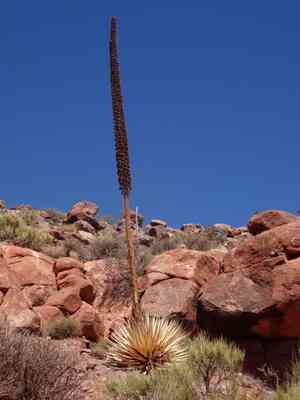
Yant is a unique succulent characterized by rosettes of thick, pointed foliage. It can be multiplied by means of division, a process where new growths emerging from the base of the main plant are gently detached and transplanted. These new growths ought to possess established root systems prior to their removal, which significantly improves their chances of thriving in fresh soil. Following separation, the divisions must be allowed to air-dry for several days to develop protective calluses over the severed areas, thereby preventing decay. The young plants should then be situated in a growing medium that drains effectively and receive minimal watering to stimulate root development.
When Is the Optimal Time to Propagate Yant?
Propagation Method
Division
Propagation Period
Spring,Autumn
What Equipment Is Utilized in Yant Propagation?
Sharp knife or pruning shears
These are vital for making clean cuts through the rhizomes or offsets of yant. A sharp knife or shears ensure a precise incision, minimizing harm to the parent plant and enhancing the likelihood of the cuttings establishing themselves upon replanting. The cleanliness of the cut also helps prevent infections or diseases from developing during the healing process.
Rooting hormone
This aid helps speed up root formation when propagating yant through division. Applying a small quantity of rooting hormone to the cut sections of rhizomes or offsets can encourage faster root growth and assist in establishing the new plant more effectively. This is particularly important for yant, which can benefit from any boost in root establishment to cope with transplanting stress.
Potting mix
A well-draining potting medium is essential when propagating yant. The mix should facilitate good moisture retention yet allow excess water to drain away quickly to prevent root rot. A blend suitable for succulents or cacti is ideal, ensuring that the newly propagated plants have the best growing medium to develop their root systems.
Pots or trays
These are needed for planting the newly divided offsets or rhizomes of yant. Pots or trays should have adequate drainage holes to prevent waterlogging, an issue that can be detrimental to root health in yant. The size of the pot or tray will depend on the size of the plant material being propagated.
Gloves and protective gear
As yant can possess sharp spines or edges, wearing gloves and potentially other protective clothing is crucial during the propagation process. This ensures safety from physical injury while handling the plant, especially during division when close contact with the plant is unavoidable.
How to Propagate Yant?
Propagation Type
Easy
How to Nurture Your Newly Propagated Yant?
How to Nurture Your Newly Propagated Yant?
To care for yant after propagation, position the pots in an area that receives full sun to partial shade. Water only when the soil is completely dry, and be wary of overwatering. Fertilizing is seldom necessary, but a light application of a balanced, slow-release fertilizer can be used annually in the spring. As yant matures, it will require repotting less frequently due to its slow growth and the need to avoid root rot in dense, wet soils.
Common Errors to Avoid When Propagating Yant
Overwatering
Watering yant too frequently can lead to root rot as it prefers arid conditions. Excessive watering can also cause fungal growth, which can be detrimental to the plant's health.
Using the wrong soil type
Selecting soil that retains too much moisture or lacks proper drainage will not meet yant's requirements, potentially hindering root development and growth.
Incorrect cutting size
Taking cuttings that are too small or too large can impact their rooting potential. Small cuttings might not have sufficient stored energy, while large ones may struggle to sustain themselves before rooting.
Advice For Propagating Yant
Well-draining soil
Utilize a cactus mix or sandy soil that ensures good drainage, which is vital for the root health of yant.
Cutting preparation
Allow the cut end of the cutting to form a callus for a few days before planting to minimize the risk of rot and infection.
Indirect sunlight acclimation
Place the propagated plants in a location where they can gradually adjust to indirect sunlight, ensuring they don't get sunburned which can impair growth.



