How to Transplant Yellow giant hyssop?
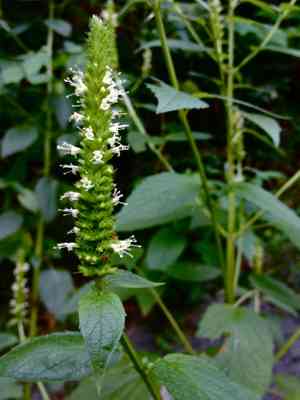
Yellow giant hyssop flourishes when relocated during the mild warmth of early to mid-summer, a time conducive to robust root development. Select a brightly lit location featuring effective drainage to guarantee strong growth. Confirm the soil is adequately hydrated but not waterlogged to support the yellow giant hyssop's emerging foliage.
What Preparations are Needed Before Transplanting Yellow Giant Hyssop?
What is the Ideal Time for Transplanting Yellow Giant Hyssop?
The best time to transplant yellow giant hyssop is from early to mid-summer, allowing ample development prior to winter. This timeframe ensures strong root establishment and minimizes stress, maximizing the perennial's potential to flourish.
How Much Space Should You Leave Between Yellow Giant Hyssop Plants?
When relocating yellow giant hyssop, ensure approximately 1-2 feet (30-60 cm) of space between each specimen. This provides yellow giant hyssop sufficient room to grow without competing for essential resources.
What is the Best Soil Mix for Yellow Giant Hyssop Transplanting?
Prepare the ground by incorporating well-decomposed compost or a foundational fertilizer. Yellow giant hyssop prefers rich, loamy soil, but can tolerate sandy or clay variations. This will supply yellow giant hyssop with the necessary nutrients for vigorous growth.
Where Should You Relocate Your Yellow Giant Hyssop?
Select a site that receives direct sunlight for at least 6 hours daily. Yellow giant hyssop thrives in sun, and adequate exposure encourages more vibrant blooms. Remember, plants also enjoy the sun!
What Equipments Should You Prepare Before Transplantation Yellow Giant Hyssop?
Gardening Gloves
To safeguard your hands when handling soil and the plant.
Shovel or Spade
These implements are essential for carefully excavating the plant without harming its root system.
Garden Trowel
It is useful for creating the transplant hole and working in confined areas.
Watering Can or Hose
These are necessary to adequately hydrate the yellow giant hyssop plant before and after its relocation.
Gardening Fork
An effective tool for loosening the soil surrounding the plant.
Wheelbarrow or Tarp
Aids in safely moving the yellow giant hyssop from its original spot to the new one.
Pruning Shears
You might need to trim any damaged or overgrown roots prior to transplantation.
Soil pH Test Kit
Ensuring the soil possesses an appropriate pH level for yellow giant hyssop development.
How Do You Remove Yellow Giant Hyssop from the Soil?
How Do You Remove Yellow Giant Hyssop from the Soil?
From Ground: Begin by thoroughly watering the yellow giant hyssop to moisten the soil. Then, using a shovel or spade, dig a generous trench around the plant, ensuring the plant's root ball remains intact. Carefully work the spade beneath the root ball to lift the plant from its original position. Aim to preserve as much of the root ball as possible. If the root system is particularly extensive, use a gardening fork to assist.From Pot: Water the pot generously, then tilt it sideways and apply gentle pressure to the base of the pot. The yellow giant hyssop should slide out, along with its soil clump. Avoid grasping or pulling the plant by its stem.From Seedling Tray: Similar to a potted plant, water the seedling tray well. Gently grasp the stem of the yellow giant hyssop seedling and carefully ease it out of its cell, ensuring it emerges with its root ball and soil clump.
Step-by-Step Guide for Transplanting Yellow Giant Hyssop
Preparation
Verify the soil pH in the new location using your soil test kit to confirm its suitability for the yellow giant hyssop. Amend if required.
Digging
With your trowel, excavate a hole that is roughly twice the width and the same depth as the plant's root ball.
Positioning
Carefully place the yellow giant hyssop into the hole. The top of the root ball should be level with the surrounding ground surface.
Backfilling
Gently refill the hole, firming the soil around the yellow giant hyssop. Ensure the plant is upright and that you haven't buried the stem.
Watering
Water the yellow giant hyssop thoroughly so the soil is moist but not waterlogged. The water will help the soil settle.
How Do You Care For Yellow Giant Hyssop After Transplanting?
Pruning
Consider trimming back the yellow giant hyssop after transplanting to reduce moisture loss and stress on the plant. A slight reduction of the foliage would be beneficial.
Monitoring
Observe the yellow giant hyssop for several weeks to check for indications of transplant shock, such as yellowing leaves or wilting. If these signs appear, move it to a less stressful environment.
Protection
If the weather is excessively hot or windy, provide some shade or a windbreak to prevent stressing the plant.
Watering
Water consistently, but avoid overwatering. The objective is to keep the soil damp, but not saturated.
Troubleshooting Common Issues with Yellow Giant Hyssop Transplantation.
What is the ideal season to transplant yellow giant hyssop?
The perfect time to relocate yellow giant hyssop is during late summer to early fall.
What should be the proper spacing when planting yellow giant hyssop?
For optimal growth, the distance between each yellow giant hyssop should be approximately 1-2 feet (30-60 cm).
What steps should be taken beforehand to prepare yellow giant hyssop for transplanting?
Water yellow giant hyssop thoroughly the day before transplantation; this will lessen transplant shock.
How deep should the hole be when transplanting yellow giant hyssop?
The hole for yellow giant hyssop should be twice as wide and as deep as the plant's root ball.
Why does my yellow giant hyssop wilt after transplanting?
Yellow giant hyssop might wilt due to transplant shock. Don't worry, keep the soil moist and reduce sunlight exposure for a week.
Why are the leaves of yellow giant hyssop turning yellow post-transplant?
Yellowing leaves might indicate over-watering or poor drainage. Ensure yellow giant hyssop is planted in well-draining soil and monitor watering frequency.
What care is required post-transplant for yellow giant hyssop?
Keep the soil moist but not soggy for yellow giant hyssop post-transplant and provide some partial shade protection for the first week.
Do I need to prune yellow giant hyssop before transplanting?
It's not necessary to prune yellow giant hyssop before transplanting, but you may trim off any damaged or wilted leaves.
What's the best soil type for transplanting yellow giant hyssop?
Yellow giant hyssop thrives in well-draining soil, ideally with some compost or organic matter mixed in, for a successful transplant.
How can I ensure successful transplant of yellow giant hyssop?
Pre-water the soil, dig an adequate hole, provide proper spacing and give it plenty of water and care for a successful transplant of yellow giant hyssop.



