How Much Sunlight Do Yellow giant hyssop Need?
1
Yellow giant hyssop flourishes optimally with over 6 hours of direct sun exposure each day.
2
Yellow giant hyssop can also endure partial sun, which means 3-6 hours of direct sunlight.
3
Monitor the plant's look for indications to determine if it's getting adequate sunlight.
Significance of Solar Exposure for Yellow giant hyssop
Why Light is Crucial for Development
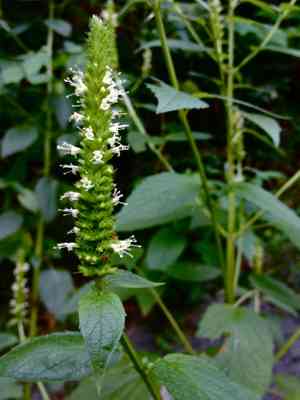
Solar exposure plays a vital role in the development of Yellow giant hyssop. This plant, recognized for its towering form and vivid yellow blooms, relies heavily on sunlight to reach its maximum potential. Sufficient light ensures the plant grows robust and healthy, enabling it to achieve heights of up to 1.5 meters (5 feet). Furthermore, sunlight impacts the plant's overall vitality, as it aids in the formation of strong stems and a sturdy framework.
Photosynthesis and Bloom Production
Photosynthesis is the process by which Yellow giant hyssop transforms light energy into chemical energy. Sunlight is indispensable for chlorophyll creation, which is critical for photosynthesis. The more light the plant absorbs, the more efficiently it can generate the nutrients it requires. Additionally, ample sunlight encourages the blossoming of its distinctive yellow flowers. Flowering typically occurs in mid to late summer when solar intensity peaks.
Optimal Light Conditions for Yellow giant hyssop
Ideal Daily Sun Exposure
Yellow giant hyssop thrives best in full sun conditions, meaning it should receive over 6 hours of direct sunlight daily. Full sun guarantees the plant gets abundant light for photosynthesis, fostering healthy growth and prolific flowering. However, the plant is also adaptable and can endure partial sun conditions, meaning it can flourish with 3-6 hours of direct sunlight, especially in regions with warmer climates.
Prime Locations for Cultivation
When cultivating Yellow giant hyssop, selecting the correct site is paramount. Ideally, it should be planted in an area that receives full sun for the majority of the day. This could be an open garden bed, a sunnier spot in your yard, or even a strategically placed container on a patio. Ensure it's away from large trees or structures that might cast shadows and limit its light exposure.
Light Requirements Across Seasons
The light demands of Yellow giant hyssop can fluctuate with seasonal changes. During spring and summer, when daylight intensity and duration are higher, the plant flourishes in full sun. In the cooler autumn months, when sunlight diminishes, it can still perform well in partial sun. Adjusting its position, if feasible, can ensure the plant continues to receive adequate light throughout the year.
Indicators of Insufficient or Excessive Light
Symptoms of Too Little Light
Inadequate light can manifest in Yellow giant hyssop through several signs. The plant may appear elongated, with long, slender stems reaching towards the light. Additionally, the foliage might turn a paler green or yellowish hue, and flowering could be limited or delayed. These indicators suggest the plant is not receiving the amount of light it needs to thrive.
Signs of Too Much Light
While Yellow giant hyssop loves light, excessive exposure, particularly in extremely hot climates, can be harmful. If the plant receives too much light, the leaves may begin to wilt, become scorched, or develop sunburn spots. These are signals that the plant is stressed and requires some protection from intense rays.
Adjusting Light for Yellow giant hyssop
How to Increase Light Exposure
If your Yellow giant hyssop isn't getting enough light, there are several actions you can take to boost its exposure. Begin by moving the plant to a sunnier location in your garden or yard. If the plant is in a container, you can shift it to a brighter spot. Additionally, pruning back nearby plants or branches that might be casting shadows can help ensure your Yellow giant hyssop gets the light it requires.
How to Provide Shading Solutions
Conversely, if your Yellow giant hyssop is receiving too much light, providing partial shade can help. You can place a sunshade or a trellis in the garden to filter the light. Planting it near taller plants or structures that offer dappled shade during the hottest parts of the day can also help shield it from intense light. Mulching around the plant's base can keep the soil cooler and retain moisture.
Further Advice for Light Management
Monitoring Light Levels
Regularly assessing the light levels in your garden can help you make informed decisions about your Yellow giant hyssop's placement. Utilizing a simple light meter can provide an accurate reading of the light exposure in various areas. This can be particularly useful for making adjustments across different seasons.
Using Mulch to Maintain Moisture
Mulching around your Yellow giant hyssop helps to preserve soil moisture, which is crucial when the plant is exposed to full sun. Organic mulch like straw, wood chips, or compost can help keep the roots cool and retain water, alleviating the stress from intense light.
Combining Light with Watering Practices
Balancing light exposure with appropriate watering practices is essential. Ensure that your Yellow giant hyssop is adequately watered, especially during extended sunny periods. Consistent irrigation will help the plant cope better with the heat and fully utilize the light for photosynthesis and growth.



