How to Propagate Yellow giant hyssop?
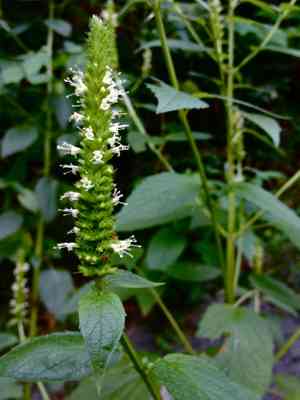
Agastache nepetoides flourishes when reproduced via seeding. To achieve successful sprouting, disperse the seeds across a well-drained substrate, making sure they are gently blanketed. Preserve steady dampness without waterlogging the soil, as this stimulates the seeds to sprout efficiently. The correct soil warmth and minimal soil covering enhance the start of growth.
When Is the Best Time to Propagate Yellow Giant Hyssop?
Propagation Method
Seeding
Propagation Period
Spring
What Tools Are Used for Yellow Giant Hyssop Propagation?
Seedling trays
Seedling trays are crucial for starting yellow giant hyssop's seeds indoors, offering a controlled setting that encourages successful germination. The divided sections aid in managing seed placement efficiently, ensuring each seed has sufficient room to develop without overcrowding.
Fine vermiculite
Fine vermiculite is a light, sterile material that can be mixed with soil in seedling trays to enhance aeration and moisture retention. This characteristic is especially vital for yellow giant hyssop, helping to maintain consistent moisture levels around the seeds, a key factor for successful germination.
Plastic dome covers
Plastic dome covers fit over seedling trays to create a humid microclimate, which benefits yellow giant hyssop's seeds. This environment helps retain moisture and warmth, accelerating the germination process and shielding seeds from external disturbances.
Watering can with a fine rose
A watering can with a fine rose ensures gentle watering, preventing the displacement of yellow giant hyssop's tiny seeds. The even water distribution provided by the fine rose helps maintain the ideal soil moisture level, which is essential for seed germination.
Labels and markers
Labels and markers are indispensable for identifying yellow giant hyssop among other seedlings and tracking its growth progress. Proper labeling prevents confusion, especially when propagating multiple plant species simultaneously.
How to Propagate Yellow Giant Hyssop?
Propagation Difficulty
Simple
How to Care for Your Newly Propagated Yellow Giant Hyssop?
How to Care for Your Newly Propagated Yellow Giant Hyssop?
After propagation, yellow giant hyssop needs full sun to partial shade and well-drained soil. Once established, yellow giant hyssop is drought tolerant but benefits from occasional deep watering during extended dry periods. It thrives with minimal fertilization and prefers less nutrient-rich soil. Regular removal of spent flowers can encourage more blooms and control self-seeding. In colder climates, applying a layer of mulch in late autumn can help protect the roots over winter.
Common Mistakes to Avoid When Propagating Yellow Giant Hyssop
Overwatering
Excessive watering can lead to root rot and fungal diseases in yellow giant hyssop, which thrive best in well-drained soil. Too much moisture around the roots impairs the plant's ability to absorb nutrients effectively, potentially resulting in poor growth or death.
Deep planting of seeds
Planting seeds too deeply can hinder germination in yellow giant hyssop. The seeds of yellow giant hyssop require light to germinate effectively, and burying them under too much soil can prevent them from receiving the necessary light exposure.
Neglecting soil preparation
Failing to adequately prepare the soil before planting can impact the health of yellow giant hyssop. This plant prefers well-draining soil rich in organic matter. Poor soil conditions can stunt growth and reduce the plant's vigor.
Ignoring pest control
Neglecting pest control can lead to infestations that compromise the health of yellow giant hyssop. Pests like aphids and whiteflies can damage young shoots and leaves, potentially impairing the plant's growth and propagation success.
Tips For Propagating Yellow Giant Hyssop
Surface sowing
Surface sowing is effective for yellow giant hyssop as its seeds need light to germinate. Spread the seeds evenly on the soil surface and gently press them into the top layer without covering them with soil.
Maintaining optimal moisture
Keep the soil consistently moist but not waterlogged to support the growth of yellow giant hyssop. Use a fine mist to water the seeds, ensuring the soil is damp but not overly wet to prevent seed and root rot.
Using organic mulch
Applying a thin layer of organic mulch around yellow giant hyssop can help maintain soil moisture and temperature, provide nutrients, and suppress weed growth, all of which contribute to healthier growth and easier propagation.
Regular monitoring for pests
Regularly inspecting yellow giant hyssop for signs of pests and treating infestations early can prevent significant damage and improve the plant's overall health and propagation success.



