The Yellow giant hyssop Plant Advantage: Maximizing Home and Office Appeal and Wellness
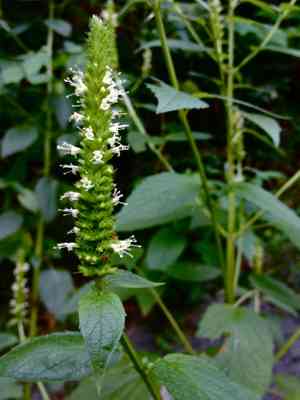
1
Yellow giant hyssop draws in pollinators like bees, butterflies, and hummingbirds.
2
This plant is recognized for its pleasant anise-smelling foliage, bringing aroma to your garden.
3
It's simple to cultivate and needs little care, making it ideal for novice gardeners.
Why Opt for Yellow Giant Hyssop in Your Garden?
Draws in Helpful Insects
A key advantage of cultivating Yellow giant hyssop is its capacity to attract advantageous insects such as bees, butterflies, and hummingbirds. These vital pollinators are crucial for maintaining your garden's health and productivity. By growing this plant, you essentially invite these beneficial creatures, which can then enhance the pollination of other plants in your garden.
Enhances Visual Appeal
With its lofty, elegant stems and vivid yellow blossoms, Yellow giant hyssop imparts a touch of sophistication to any garden arrangement. The striking yellow flowers can act as a central feature in your garden, generating visual interest and elevating the overall aesthetic charm of your outdoor area. Whether placed in borders, flower beds, or as individual specimens, this plant stands out beautifully.
Requires Minimal Upkeep
Another significant advantage is the low maintenance demands of Yellow giant hyssop. It is a robust plant capable of thriving in various soil types and conditions. This makes it an ideal selection for both new and seasoned gardeners. Once established, the plant needs minimal watering and care, allowing you to enjoy its benefits without extensive gardening efforts.
What Are Its Environmental Contributions?
Supports Ecological Diversity
Planting Yellow giant hyssop positively impacts the environment by fostering biodiversity. As it attracts various pollinators, it aids in preserving ecological equilibrium. Diverse pollinator populations are essential for healthy ecosystems, and by cultivating this plant, you contribute to this critical cause.
Erosion Prevention
The deep root systems of Yellow giant hyssop provide excellent erosion control, making it a practical choice for gardens situated on slopes or areas prone to soil erosion. The roots help to bind the soil together, preventing it from being washed away during heavy rains.
How to Cultivate and Care for Yellow Giant Hyssop?
Planting Advice
When planting Yellow giant hyssop, select a spot that receives full sun to partial shade to ensure optimal growth. Prepare the soil by loosening it and incorporating organic matter to boost fertility. Plant the seeds or young plants at a depth of about a quarter inch, spacing them approximately 12-18 inches apart to allow for adequate air circulation and growth.
Watering and Fertilizing
Yellow giant hyssop is drought-tolerant once established, but consistent watering during the initial growth phase is important to encourage root development. Water the plant deeply but infrequently, allowing the soil to dry out between waterings. For feeding, an all-purpose fertilizer applied in early spring can support its growth and flowering.
Are There Any Landscape Applications?
Creating Flower Edges
Yellow giant hyssop is perfect for establishing colorful and appealing flower borders. Its tall and upright growth habit makes it an excellent backdrop for shorter plants. Combining it with other perennial flowers can create stunning garden displays that bloom throughout the season.
Butterfly Sanctuaries
If you aim to create a butterfly garden, Yellow giant hyssop should be on your planting list. Its flowers are particularly attractive to butterflies, providing them with nectar and helping you establish a lively and dynamic garden environment. Positioning the plant in sunny areas will maximize its attractiveness to butterflies and other pollinators.
Can Yellow Giant Hyssop Be Used in Companion Planting?
Pest Management
Companion planting with Yellow giant hyssop can assist in controlling garden pests. Its aromatic leaves can deter common pests like aphids and whiteflies, thereby safeguarding neighboring plants from infestations. Integrating it with vegetables or other susceptible plants can create a more balanced and pest-free garden ecosystem.
Herbal and Medicinal Gardens
Yellow giant hyssop can be effectively incorporated into herb and medicinal gardens. It complements other herbs well and offers an additional layer of fragrance and visual appeal. Plant it alongside herbs like mint, basil, or oregano to create a diverse and functional garden space where each plant supports the others.



