How to Prune Yellow giant hyssop?
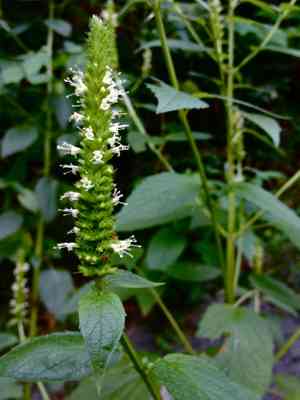
This enduring herb, distinguished by its tall spikes of yellow blossoms, flourishes with consistent trimming to foster denser development and increased flowering. For yellow giant hyssop, perform pruning in the early spring to eliminate any deceased or compromised foliage. Removing faded flowers throughout the summer months can stimulate a subsequent flowering period. In autumn, reducing the plant after it has bloomed can deter self-propagation and preserve a neat aesthetic. Trimming additionally enhances proper air movement, diminishing the likelihood of fungal infections.
What Are the Benefits of Pruning Yellow Giant Hyssop?
What Are the Benefits of Pruning Yellow Giant Hyssop?
Trimming yellow giant hyssop promotes abundant flowering, encourages vigorous development, and helps maintain its desired shape, ensuring strong health and an appealing garden presence.
What Is the Best Time for Pruning Yellow Giant Hyssop?
What Is the Best Time for Pruning Yellow Giant Hyssop?
Pruning yellow giant hyssop in late winter or early spring is beneficial as it occurs just before new growth begins. This timing allows gardeners to shape the plant and remove any dead or diseased parts without disrupting its natural bloom cycle. Yellow giant hyssop typically flowers from late summer to fall. Pruning during late winter or early spring minimizes the risk of cutting off flower buds, which could reduce the upcoming blooming season's display. It also helps direct the plant's energy towards producing robust growth and plentiful blooms. Furthermore, this timing aids in maintaining the plant's health by opening its structure for better air circulation and sunlight penetration, crucial for reducing disease pressures. It's important to avoid pruning in fall since new growth might not harden off before the first frost, potentially causing damage to yellow giant hyssop.
What Tools Do I Need to Prune Yellow Giant Hyssop?
Bypass Hand Pruners
Perfect for making clean cuts on yellow giant hyssop's stems, bypass pruners operate like scissors and cause less harm to plant tissues, aiding in better recovery.
Garden Shears
For shaping yellow giant hyssop and trimming dead or excess foliage, garden shears offer a larger cutting surface and are suitable for efficiently managing the plant's numerous stems.
Pruning Saw
When dealing with older yellow giant hyssop plants that have thicker stems, a pruning saw might be necessary for removing stems too large for pruners or shears.
How to Prune Yellow Giant Hyssop
Sterilization
Before starting the pruning process, sanitize all pruning tools using a solution of one part bleach to nine parts water, or use rubbing alcohol, to prevent the spread of any diseases to or from yellow giant hyssop.
Inspection
Examine yellow giant hyssop for any indications of diseased leaves, looking for discoloration, spots, or decay. Additionally, check for withered leaves and spent flower stalks that have finished their bloom cycle.
Removal of Diseased Leaves
Carefully remove diseased leaves by cutting them at the base where the leaf stem meets the main stem or the next healthy leaf, ensuring clean cuts without tearing the plant tissues of yellow giant hyssop.
Removal of Withered Leaves
Trim withered leaves that are no longer green or viable, cutting them at their base in a similar manner to diseased leaves to encourage healthy growth and airflow through yellow giant hyssop.
Removal of Withered Flowers
Deadhead withered flower spikes by cutting them down to the nearest set of leaves, encouraging yellow giant hyssop to focus energy on robust growth and potentially stimulate a new flush of flowers.
Common Pruning Mistakes with Yellow Giant Hyssop
Overpruning
Removing too much foliage can stress yellow giant hyssop, leading to weak growth and reduced flowering.
Improper Cut Placement
Cutting too far from a node or into old, woody stems. This can result in improper healing and increase susceptibility to disease.
Using Dull Tools
Pruning with dull or dirty tools can cause jagged cuts that harm yellow giant hyssop and invite pests or diseases.
Neglecting to Deadhead
Failing to regularly remove spent flowers from yellow giant hyssop can lead to a decrease in new blooms and seed development that might not be desired.
Pruning for Shape Alone
Focusing solely on shaping yellow giant hyssop without considering its natural growth pattern can lead to an unnatural appearance and compromise its health.
Common Pruning Tips for Yellow Giant Hyssop
Use Sharp Tools
Always use sharp, clean pruning shears or scissors to make clean, precise cuts that promote quick healing.
Prune to Nodes
Cut just above leaf nodes to encourage new growth from these points, which leads to a fuller yellow giant hyssop plant.
Deadheading
Regularly remove spent blooms to stimulate yellow giant hyssop to produce new flowers and to prevent undesired seed spreading.
Maintain Natural Form
When pruning yellow giant hyssop, aim to maintain its natural, upright growth habit for the healthiest and most aesthetically pleasing results.
Sanitation
Clean up all pruned material from around yellow giant hyssop to reduce the risk of pests and disease that could use the detritus as a breeding ground.



