How to Transplant Painted maple?
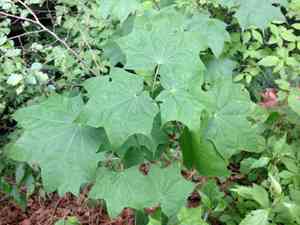
For painted maple, the ideal period for relocation spans from early spring's emergence to the onset of early summer's warmth, or when autumn's colors transition towards winter. Select a location that receives abundant sunlight and possesses soil with good drainage. Precise timing of the transfer reduces the plant's distress.
What Preparations are Needed Before Transplanting Painted Maple?
What is the Ideal Time for Transplanting Painted Maple?
The optimal period for moving painted maple is during the transition from vibrant spring to early summer, or when autumn colors fade into winter's crisp beginning. Relocating painted maple at these times allows roots to settle in moderate soil, free from extreme temperature stress. This timing promotes vigorous growth and strengthens resilience before summer's heat or winter's dormancy.
How Much Space Should You Leave Between Painted Maple Plants?
When selecting a new location for your painted maple, aim for ample room. Allowing approximately 16-33 feet (5-10 meters) between each plant will provide sufficient space for them to thrive. It's like giving your plant its own personal area to expand its root system!
What is the Best Soil Mix for Painted Maple Transplanting?
For your painted maple, prepare a well-draining soil blend with some organic material or compost to ensure a healthy start. Before planting, sprinkle a balanced, slow-release fertilizer to supply your plant with essential nutrients!
Where Should You Relocate Your Painted Maple?
Your painted maple enjoys soaking up the sun but appreciates some afternoon shade. Select a spot where it can absorb morning sunlight, ensuring it receives partial to full sun exposure for optimal development. Happy sunbathing for your painted maple!
What Equipments Should You Prepare Before Transplantation Painted Maple?
Shovel or Spade
To excavate the plant from its original spot and create a hole in the new planting area.
Garden Fork
To loosen the soil surrounding the root ball without causing excessive damage to the roots.
Pruning Shears
For trimming any damaged roots or branches.
Wheelbarrow or Garden Cart
To move the plant from one location to another.
Watering Can or Hose
To hydrate the painted maple before and after its relocation.
Mulch
To help maintain soil moisture and temperature after transplanting.
Stakes or Supports
To stabilize the painted maple post-transplant if needed.
Gardening Gloves
To protect your hands while working with the soil and plant.
How Do You Remove Painted Maple from the Soil?
How Do You Remove Painted Maple from the Soil?
From Ground: Water the painted maple to moisten the soil. Dig a wide trench with a shovel or spade around the plant, being careful not to harm the root ball. Use the spade or garden fork to gently lift the plant from the ground.From Pot: Water the painted maple to facilitate its removal. Tilt the pot sideways and gently tap or squeeze to loosen the root ball. Lower the pot and carefully slide the painted maple out.From Seedling Tray: Water the painted maple to ensure the soil is not dry. Use a spoon or a transplanting trowel to lift the seedling along with its surrounding soil to preserve root integrity.
Step-by-Step Guide for Transplanting Painted Maple
Preparation
Thoroughly water the painted maple before beginning the process to minimize transplant shock.
Digging the New Hole
Excavate a hole that is twice as wide as the root ball and of equal depth, so the painted maple sits at the same level it was previously growing.
Root Pruning
Use pruning shears to trim any broken or excessively long roots to encourage new development.
Plant Placement
Position the painted maple into the new hole, gently spreading its roots. Ensure the plant is upright and centered.
Filling the Hole
Backfill the hole with the native soil you removed, adding it around the plant in increments. Gently compact the soil as you go to eliminate air pockets.
Watering
Water the plant generously after transplanting to settle the soil and aid in its recovery.
Adding Support
If the painted maple is tall or unstable, place stakes around it and loosely tie the plant to them for stability.
Mulching
Apply a layer of mulch around the base of the painted maple to retain soil moisture and regulate temperature.
How Do You Care For Painted Maple After Transplanting?
Stabilization
Regularly check and adjust stakes as needed to ensure the painted maple remains stable during establishment.
Watering
Keep the soil around the painted maple consistently moist for the initial few weeks to promote root development. Avoid excessive watering.
Pruning
Trim any dead or dying branches to direct the plant's energy towards establishing new roots.
Monitoring
Observe for signs of transplant shock, such as wilting or leaf loss, and take corrective measures if necessary.
Troubleshooting Common Issues with Painted Maple Transplantation.
What's the prime time to transplant painted maple?
The best periods are from late spring to early summer or late fall to early winter, avoiding extreme temperatures.
How far apart should I plant painted maples?
Ideally, space them 16-33 feet (5-10 meters) apart to give them ample room to grow.
Why is my painted maple wilting after transplant?
Wilting may be due to transplant shock. Ensure proper watering, avoid full sun immediately after transplanting, and protect from strong winds.
How deep should the hole be for painted maple?
The hole should be twice as wide and to the same depth as the root ball to encourage growth.
Can I transplant painted maple in summer?
Itâs best to avoid the peak summer heat. If necessary, choose a cloudy day and water generously.
What's the ideal soil for relocating painted maple?
Use well-draining soil rich in organic matter to provide the best start for your transplanted painted maple.
How do I minimize transplant shock for painted maple?
Water thoroughly before and after transplanting, provide shade, and avoid disturbing the roots as much as possible.
Should I use fertilizer when transplanting painted maple?
Avoid strong fertilizers initially. Allow the painted maple to establish itself first, then use a balanced, slow-release fertilizer after a month.
What are signs my painted maple isn't thriving post-transplant?
Yellowing leaves, stunted growth, or branch dieback can indicate stress. Check for proper watering, pests, and diseases.
Is it necessary to prune painted maple when transplanting?
Moderate pruning can reduce stress on painted maple's root system. Remove only damaged or dead branches to focus on root establishment.



