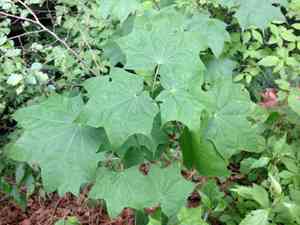
Painted maple (Acer pictum)
Also known as: Mono maple
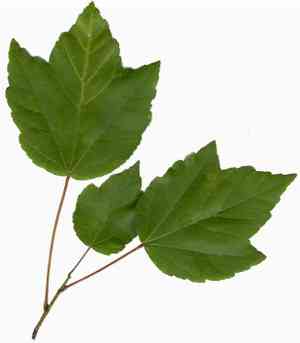
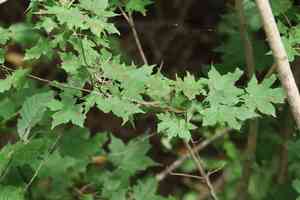
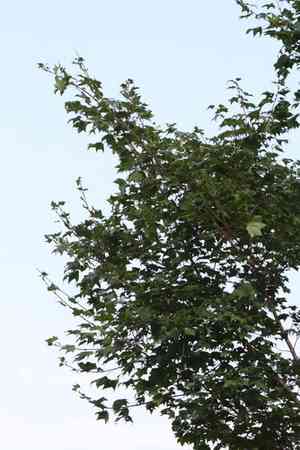
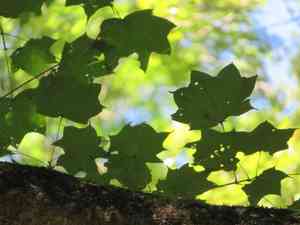
Acer pictum, commonly known as the Painted Maple, is a deciduous tree that can reach heights of up to 20 meters. Its leaves are simple, thin, and can grow up to 12 cm in both length and width. These leaves typically feature 3, 5, 7, or sometimes 9 lobes and have smooth, non-toothed edges. The bark of the tree is gray in color.
In This Article
Attributes of Painted maple
Lifespan
Perennial
Plant Type
Tree
Plant Height
9 m to 12 m
Spread
12 m
Leaf Color
Green (summer), Yellow-Orange (autumn)
Flower Size
4 cm to 6 cm
Flower Color
Yellow Green
Images of Painted maple
Quickly Identify Painted maple
1
To identify Acer pictum, look for its distinct five-lobed leaves with smooth edges and a glossy green surface. In autumn, the leaves turn a vibrant yellow to orange. The bark is gray and smooth, developing shallow fissures with age.
Scientific Classification of Painted maple
Phylum
Vascular plants
Class
Dicotyledons
Order
Maples, mangos, mahogany, citrus, and allies
Family
Soapberry
Genus
Maples
Species
Painted maple
Planting and Growing of Painted maple
Care Difficulty
Easy
Watering Schedule
Every 4 days
Sunlight Requirements
Partial sun
Sunshine Duration
4-8 hours
Ideal Temperature
60-75℉
Soil Type
Potting Mix, Peat Mix
Soil pH
5.5-7
Fertilizer Type
Balanced
Pruning Season
Spring, Summer
Pruning Area
Branches, Leaves
Pruning Frequency
2 times a year
Repotting Season
Spring
Pot Type
Plastic, Terracotta
 How to Water Painted maple?
For Acer pictum, water with precision by ensuring each session delivers about 500 ml. Your goal? Achieve a thorough, deep soak that encourages strong root development without leaving standing water, which could lead to root rot.
What are the symptoms of an underwatered Painted maple?
›
What should I do if my Painted maple is not getting enough water?
›
What are the symptoms of an overwatered Painted maple?
›
How to save an overwatered Painted maple?
›
 What Are the Sunlight Requirements for Painted maple?
Acer pictum thrives best in spaces that offer partial sun to full sun exposure. Adequate lighting ensures strong growth, vibrant leaf coloration, and robust health, replicating its natural forested environment.
More About Sunlight Requirements Techniques→
What is the ideal location for Acer pictum?
›
How can I adjust the lighting conditions for Acer pictum?
›
What benefits does Acer pictum gain from ideal light conditions?
›
 What Is the Ideal Temperature Range for Painted maple?
The ideal temperature range for Acer pictum is between 60°F and 75°F. Within this range, the plant can photosynthesize efficiently, maintain optimal hydration, and resist stress conditions such as disease. Proper air circulation combined with this temperature range ensures healthy growth and foliage vitality.
 What Soil is Best for Painted maple?
Acer pictum thrives in well-drained soil conditions, which prevent waterlogging and root rot. Well-drained soil ensures the roots receive adequate oxygen, crucial for healthy growth and nutrient absorption. This plant benefits from soil rich in organic matter, which provides essential nutrients. Nutrient-rich soil supports lush foliage and robust growth, significantly enhancing the plant's health and vitality. While not tolerant of excessive water, Acer pictum prefers soil that retains some moisture. The ability to hold moisture helps the plant during dry spells, providing a stable environment for sustained growth.
 How to Fertilize Painted maple?
For Acer pictum, it's crucial to apply the right amount of nutrients to facilitate optimum growth. Typically, apply liquid fertilizer at a rate of half the recommended dose on the product label every two weeks during the growing season to provide a steady supply of nutrients without overwhelming the plant.
 How to Prune Painted maple?
Begin by removing dead, diseased, or damaged branches. Cut back to healthy wood, ensuring clean cuts. Target crossover branches that can rub and cause wounds. Aim to maintain the natural shape of the tree, allowing light to penetrate through the canopy effectively. Focus on shaping the Acer pictum to improve its structure. Identify and remove branches growing inwards or those that are excessively thick, which can hinder airflow. Thinning helps reduce the foliage density, promoting a healthier and more aesthetically pleasing tree.
More About Pruning Techniques→
 How to Propagate Painted maple plant?
1
Collect seeds in autumn. Before sowing, stratify the seeds by placing them in a cool, moist environment to break dormancy. This typically involves refrigeration for several weeks.
2
Select healthy scion and rootstock. Cut a wedge into the rootstock and make a corresponding cut on the scion. Join them together, ensuring good contact between cambiums, and secure with grafting tape.
3
Layering involves bending a low-growing branch to the ground and covering a portion with soil to stimulate root growth. Ensure the area remains moist and roots form over months.
 How to Repot Painted maple plant?
1
Acer pictum needs repotting when roots appear out of the drainage holes or the plant's growth slows significantly. The best time for repotting is during its dormant phase in spring or autumn, ensuring minimal stress for the plant.
2
Select a pot that is 2-4 inches larger in diameter than the current pot and has ample drainage holes. A slightly larger pot encourages root expansion and good drainage, preventing root rot and promoting healthier growth.
3
Opt for a well-draining, loamy soil mix. This type of soil allows excess water to drain efficiently while retaining sufficient moisture for the plant, ensuring the roots can breathe and reducing the risk of waterlogging.



