How to Propagate Painted maple?
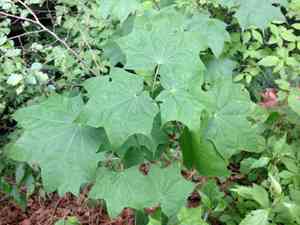
Painted maple can be successfully multiplied via cuttings, a technique enhanced by applying rooting hormone to accelerate root development and boost the rate of success. Semi-hardwood cuttings are ideal, sourced from robust, unblemished growth. These cuttings ought to be placed in a growing medium that drains efficiently and maintained in environments with elevated humidity and diffused light. Diligent observation for root emergence guarantees effective establishment.
Optimal Time for Painted Maple Propagation
Propagation Method
Cutting
Propagation Period
Autumn,Winter
Tools for Painted Maple Propagation
Sharp Pruning Shears
These are vital for obtaining cuttings from painted maple. The blades must be keen to ensure a clean incision, minimizing harm to the parent plant and boosting the cuttings' survival prospects. Clean cuts help prevent disease and promote robust root growth on new plants.
Rooting Hormone
This substance is essential for improving the rooting success of painted maple cuttings. Rooting hormone accelerates root formation and increases the likelihood of successful establishment. It is especially beneficial given the varied rooting success rates among hardwood cuttings like those of painted maple.
Sterilized Containers
Used to hold the cuttings during the rooting process. Sterilization is crucial to prevent fungal and bacterial infections, which can be harmful during the delicate stages of root development in painted maple.
Perlite or Vermiculite Medium
These substrates are recommended for propagating painted maple as they offer excellent drainage and air circulation. This environment helps prevent rot while maintaining sufficient moisture around the cuttings to support root development.
Misting Bottle
Regular misting is necessary to maintain high humidity around painted maple cuttings, which helps prevent them from drying out before roots are established. A misting bottle allows for gentle hydration that doesn't disturb developing roots.
Heating Mat
Providing bottom heat can significantly enhance the rooting success rate in painted maple cuttings by maintaining an optimal and consistent soil temperature, which is critical for root development in temperate species like painted maple.
How to Propagate Painted Maple?
Propagation Type
Moderately Difficult
Caring for Your Newly Propagated Painted Maple
Caring for Your Newly Propagated Painted Maple
Once the cutting has rooted and exhibits new growth, typically after several weeks, gradually acclimate painted maple to outdoor conditions if applicable. Transplant painted maple to a larger pot or a suitable garden spot with well-draining soil and partial to full sunlight. Consistent watering is crucial, especially during dry spells, but avoid overwatering. Monitor for pests and diseases, and apply a balanced fertilizer in early spring to support healthy growth and vibrant foliage.
Common Errors to Avoid When Propagating Painted Maple
Insufficient root cutting preparation
Cuttings are often taken carelessly, without considering the branch's health or size. This can result in cuttings less likely to root, ultimately reducing the chances of successful propagation of painted maple.
Overwatering
Excessive soil moisture can lead to root rot, particularly damaging to young roots of painted maple that have yet to establish a strong system.
Neglecting humidity maintenance
Failing to maintain a humid environment during propagation can cause painted maple cuttings to dry out and fail to root.
Using unsterilized tools
Propagating with uncleaned tools can introduce diseases to painted maple, affecting seedling health and potentially causing the propagules to fail.
Tips For Propagating Painted Maple
Select healthy parent material
Ensure cuttings are taken from robust, healthy specimens of painted maple to increase the likelihood of successful rooting and strong growth.
Use a rooting hormone
Applying a rooting hormone to the base of the cuttings can enhance root development, improving propagation success rates.
Maintain proper soil moisture
Keep the soil moist but not waterlogged to support root growth without causing rot. This balance is crucial for the young roots of painted maple.
Provide indirect light
Place painted maple's propagules in indirect light to avoid scorching while providing enough light for growth and development.



