Enhancing Your Garden Design with the Painted maple Plant: A Landscaping Guide
1
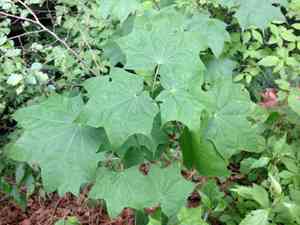
The painted maple offers a distinct visual charm to any garden due to its unique leaves and bright hues.
2
Strategic placement of the painted maple can boost your garden's seasonal attractiveness and draw in local fauna.
3
Beyond improving your property's look, the painted maple also supports ecological well-being.
Introduction to Painted maple in Landscaping
Understanding the aesthetic appeal of Painted maple
To enhance your landscape's visual charm, few plants rival the Painted maple. With its gracefully lobed leaves and seasonal color shifts, it serves as a garden focal point. Its ability to transition through a spectrum of colorsâfrom fresh spring green to brilliant autumn reds and orangesâmakes it a dynamic addition, ensuring year-round visual interest.
The role of Painted maple in seasonal landscape changes
A captivating aspect of Painted maple is its function in marking seasonal transitions. In spring and summer, it offers lush, green foliage, creating a calming ambiance. By autumn, its leaves ignite in a fiery red and orange display, bringing dramatic flair to your garden. This seasonal shift not only boosts your landscape's beauty but also invites you to experience nature's cycles in your own yard.
Optimal Placement of Painted maple in Your Garden
Assessing the best spots for planting Painted maple
Choosing the ideal location for Painted maple in your garden involves both aesthetic and practical considerations. Ideally, it should be prominently displayed, such as near entrances, along paths, or as a centerpiece in an open area. Ensure the chosen spot allows it to thrive without competing with other plants for light, water, and nutrients.
How does sunlight impact Painted maple growth?
Sunlight is crucial for the growth and health of Painted maple. While it tolerates various light conditions, balance is key. It prefers partial shade or dappled sunlight, which helps prevent leaf burn and maintains vibrant foliage. Avoid planting it in areas with intense, direct sun, especially in hotter climates, as this can cause stress and reduce vitality.
Integrating Painted maple with other plants
Harmonizing Painted maple with other plant species can create a cohesive and visually pleasing garden design. Consider pairing it with plants that offer contrasting textures and colors to highlight its unique features. Complementary perennials, shrubs, and groundcovers can enhance the overall aesthetic while ensuring all plants coexist peacefully. Mixing it with evergreens, for instance, ensures a lively garden composition even during winter.
Benefits of Incorporating Painted maple in Landscape Designs
Environmental benefits of adding Painted maple to your yard
Adding Painted maple to your landscape provides several environmental advantages. As a deciduous tree, it supports biodiversity by offering habitat and food for various wildlife, including birds and insects. Its root system helps prevent soil erosion, and its leaves contribute to natural composting, enriching the soil with organic matter. Additionally, it can improve air quality by absorbing carbon dioxide and releasing oxygen.
Enhancing property value with Painted maple
Beyond its environmental benefits, Painted maple can significantly increase your property's value. A well-designed landscape featuring it not only boosts curb appeal but also makes your home more attractive to potential buyers. The tree's aesthetic appeal, combined with its low-maintenance nature, makes it a desirable feature in any real estate market, potentially raising your propertyâs market value.
Landscaping Styles and Painted maple
Which landscape styles best accommodate Painted maple?
Painted maple is adaptable and can complement various landscape styles, from traditional to modern. In formal gardens, its symmetrical shape and seasonal colors add structured beauty. For Japanese-inspired gardens, it fits seamlessly with its elegant form and serene presence. Even in rustic or naturalistic landscapes, it provides a touch of refined beauty, blending well with native plants and wildflower meadows.
Creating thematic landscapes with Painted maple
If you're aiming for a thematic garden, Painted maple offers many possibilities. For a Zen garden, place it near a water feature or gravel path to evoke tranquility. In a woodland garden, plant it alongside ferns and hostas to create a shaded retreat. To achieve a modern look, use it in minimalist settings with clean lines and mixed textures, emphasizing its striking foliage as a bold design element.
Maintaining Painted maple in a Landscaped Garden
Basic upkeep tips for Painted maple
Maintaining Painted maple in your garden is quite simple. Regular watering is crucial, especially during dry spells, to keep the soil consistently moist but well-drained. Mulching around the base helps retain moisture and regulate soil temperature. Pruning should occur in late winter or early spring before new growth, removing any dead or weak branches to encourage healthy development.
Seasonal considerations for Painted maple care
Caring for Painted maple requires adapting to seasonal changes. In spring, fertilize the tree with a balanced product to support new growth. During summer, monitor soil moisture and water regularly to prevent drought stress. In autumn, enjoy the vibrant foliage, and collect fallen leaves for composting. Winter care involves protecting the tree from heavy frosts and ensuring it is not waterlogged.
Creative Ideas Using Painted maple in Landscaping
Unique design concepts incorporating Painted maple
To make Painted maple a prominent feature in your garden, consider innovative design approaches. Plant it in a raised bed to elevate its presence, or use it as a living sculpture by training it into interesting forms. Another idea is to group several Painted maples at varying heights to create a multi-layered effect, adding depth and dimension to your landscape.
Combining color and texture with Painted maple
Combining Painted maple with other plants can create a rich tapestry of colors and textures. Pair its vibrant leaves with the deep green foliage of evergreens or the soft textures of ornamental grasses. Seasonal flowers like tulips and daffodils can provide a striking contrast in spring, while asters and mums complement its autumn colors. Mixing various textures and hues around it enhances its visual impact and creates a harmonious garden environment.



