How to Prune Painted maple?
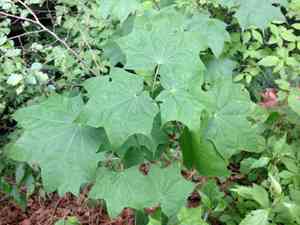
The painted maple, a deciduous tree celebrated for its vibrant leaves, flourishes when properly pruned. Key methods involve reducing dense branches and eliminating any dead or ailing wood to foster robust development and adequate airflow. Perform pruning in late winter or early spring, prior to the emergence of new growth. This schedule ensures a clear view of the tree's framework and prevents sap leakage, a frequent occurrence in maples. Furthermore, pruning preserves the painted maple's attractive form and enhances its strength and lifespan.
What Are the Benefits of Pruning Painted Maple?
What Are the Benefits of Pruning Painted Maple?
Trimming painted maple promotes robust development and helps maintain its desired shape. Strategic cuts encourage new, strong branches and preserve the tree's structural integrity, leading to a healthier, more attractive specimen.
What Is the Best Time for Pruning Painted Maple?
What Is the Best Time for Pruning Painted Maple?
Pruning or trimming painted maple from late winter to early spring is ideal as it coincides with the plant's dormant period. During this phase, painted maple's sap flow is minimal, which lessens the chance of bleeding from cuts and ensures better wound closure. This timing also allows gardeners to easily view the plant's structure without leaf obstruction, facilitating the removal of damaged or diseased wood, and enhancing the plant's overall form and structure. Additionally, pruning before the spring growth spurt enables painted maple to direct its energy towards producing new, healthy growth in the desired direction and shape. Avoiding the flowering or fruiting period eliminates the risk of reducing the seasonal display or fruit production, ensuring the plant's vitality and aesthetic value are maintained.
What Tools Do I Need to Prune Painted Maple?
Hand Pruners or Secateurs
For cutting slender branches typically under 1 inch in diameter. Useful for precise trimming or shaping painted maple. Ensure they are sharp and clean to facilitate healthy cuts.
Lopping Shears
Perfect for branches that are 1 to 1.5 inches thick. They feature long handles that provide leverage for clean cuts without harming painted maple.
Pruning Saw
Recommended for larger branches exceeding 1.5 inches in thickness. A pruning saw simplifies cutting through thicker growth without damaging painted maple. Ensure it is of high quality and sharp.
Pole Pruner
For elevated branches that are out of reach, a pole pruner allows you to trim painted maple without needing a ladder, enhancing safety and convenience.
How to Prune Painted Maple
Identify
Examine painted maple for dead or diseased branches, which often appear dry, brittle, and discolored.
Sanitization
Before pruning painted maple, sterilize pruning tools with rubbing alcohol or a 10% bleach solution to prevent the spread of disease.
Prune Dead
Using sharp and sanitized pruning shears, cut dead branches where they meet healthy wood, making a clean cut at a slight angle away from the bud to promote proper healing.
Prune Diseased
Remove diseased branches from painted maple by cutting well below the affected areas to ensure all diseased tissue is eliminated; dispose of these branches properly to avoid contamination.
Wound Care
Apply a wound dressing to large cuts on painted maple to protect the exposed wood from pests and diseases, though smaller cuts typically heal without treatment.
Common Pruning Mistakes with Painted Maple
Overpruning
Removing excessive foliage at once can stress painted maple, leading to stunted growth or susceptibility to diseases.
Improper Cuts
Incorrect cutting methods can harm painted maple, leaving jagged wounds that attract pests and disease.
Neglecting Tool Hygiene
Using dirty pruning tools can introduce pathogens to the open wounds of painted maple, increasing the risk of infection.
Tearing Limbs
Forcefully tearing limbs instead of making clean cuts can damage the bark and cambium layer of painted maple, hindering its ability to heal.
Flush Cutting
Cutting branches flush against the trunk removes the branch collar, disrupting the tree's natural healing process.
Ignoring Deadwood
Failing to remove dead or damaged branches can lead to further decay and potential safety hazards.
Common Pruning Tips for Painted Maple
Clean, Sharp Tools
Use sanitized, sharp pruning tools to make clean cuts that heal quickly, reducing stress on painted maple.
Angle Cuts
Make cuts at a 45-degree angle, ensuring that water can run off the cut surface, reducing the likelihood of disease.
3-Cut Method For Large Branches
For branches larger than 1.5 inches in diameter, use the 3-cut method to prevent tearing: a notch cut underneath, a relief cut further out, and a final cut through the branch close to the trunk.
Selective Thinning
Selectively thin out overcrowded branches to improve light penetration and air circulation throughout painted maple, which helps to reduce disease pressure and promote more vigorous growth.
Prune For Structure
Focus on removing crossed, rubbing, or inward-growing branches to maintain a strong structural framework for painted maple
Protect The Collar
When removing branches, always cut outside the branch collar to allow painted maple to heal properly.



