The Painted maple Plant Advantage: Maximizing Home and Office Appeal and Wellness
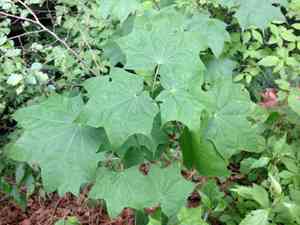
1
Painted maple enhances soil quality by supplying organic mulch from its shed leaves.
2
This particular plant variety aids local fauna by furnishing refuge and sustenance.
3
Painted maple contributes lively visual appeal to any landscape, owing to its brightly colored leaves.
Why Consider Painted Maple for Your Garden?
Improving Soil Quality
A key benefit of cultivating Painted maple is its positive impact on soil vitality. Its shed leaves serve as a natural ground cover, enriching the earth as they break down. This not only refines soil structure but also boosts its nutrient content, making it more productive for other flora. Furthermore, this decomposition aids in moisture retention, lessening the need for frequent watering.
Supporting Local Wildlife
Painted maple plays a vital role in sustaining local fauna. Its branches and foliage offer refuge for birds, insects, and small mammals, fostering a miniature ecosystem within your garden. The plant's seeds and blossoms also provide sustenance for various species, promoting biodiversity. By planting Painted maple, you can cultivate a more balanced and flourishing ecosystem in your yard.
Visual Appeal
The aesthetic contribution of Painted maple is undeniable. With its striking leaves that change color throughout the year, this plant adds a vibrant touch to any landscape. Whether you aim to create a focal point in your garden or simply wish to enjoy nature's beauty, Painted maple offers year-round visual charm. Its distinct coloration can also complement other plants, enhancing your garden's overall look.
How Does Painted Maple Benefit the Ecosystem?
Reducing Carbon Emissions
Painted maple helps decrease the carbon footprint by absorbing atmospheric carbon dioxide and releasing oxygen. This process not only purifies the air but also aids in mitigating climate change. The more Painted maple you plant, the greater the effect on improving air quality and lowering greenhouse gases.
Preventing Soil Erosion
Another significant advantage of Painted maple is its capacity to prevent soil degradation. The plant's extensive root systems help anchor the soil, preventing it from being washed away during heavy rainfall. This is especially beneficial for areas prone to erosion, as it helps maintain soil integrity, safeguarding other plants and natural habitats.
What Are the Growing Requirements for Painted Maple?
Optimal Climate and Soil Conditions
Painted maple thrives in diverse climates but prefers temperate regions with well-drained, fertile soil. It adapts to various soil types, including clay, loam, and sandy soils, provided they are not waterlogged. For best growth, position Painted maple in an area that receives partial to full sunlight.
Planting and Care Guidelines
When planting Painted maple, dig a hole twice the size of the root ball and incorporate compost to enrich the soil. Water the plant thoroughly after planting and ensure consistent moisture during its initial growth phase. Mulching around the plant's base helps retain soil moisture and suppresses weeds. Pruning is generally minimal, but remove any dead or diseased branches to maintain its health and appearance.



