The Hidden Danger in Your Home? Unmasking the Toxicity of the Beach plum Plant.
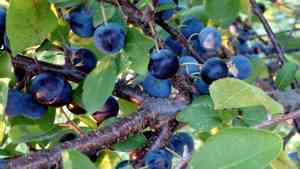
1
Beach plum seeds possess hydrogen cyanide, a substance capable of inducing significant symptoms like lightheadedness, head pain, and labored respiration.
2
Consumption of beach plum seeds by animals can result in cyanide toxicity, manifesting as signs of distress and necessitating prompt veterinary intervention.
3
The fruit's pulp of beach plum is safe to eat and favored by many, yet heightened vigilance is recommended to prevent seed consumption, especially by young ones.
Is Beach plum harmful to people?
Beach plum exhibits a slight degree of toxicity to humans, mainly through consuming its seeds. These seeds hold hydrogen cyanide, a powerful substance capable of causing poisoning. Upon consumption, the body processes these seeds to release hydrogen cyanide, which can disrupt oxygen delivery to cells, resulting in various symptoms. Individuals who eat the seeds might experience lightheadedness, headaches, sickness, and labored breathing. In serious instances, seizures and even unconsciousness can occur. While the fruit's pulp is safe to eat and popular, care should be taken to prevent accidental seed ingestion, particularly by groups like children who may not recognize the harmful component.
Is Beach plum harmful to felines?
Beach plum shows slight toxicity to cats, with its seeds containing hydrogen cyanide. If a cat accidentally eats beach plum seeds, it might display signs of physical unease that warrant observation. Since ingestion is the main way poisoning occurs, it's crucial to keep cats away from the seeds. Should a cat consume parts of beach plum, prompt veterinary attention is vital to effectively manage any negative health impacts.
Is Beach plum harmful to canines?
Beach plum presents a minor toxicity hazard to dogs. Dogs might inadvertently consume parts of the plant, especially the seeds, which are known to be poisonous. If a dog eats these seeds, they could show signs like throwing up, loose stools, stomach discomfort, or more severe indications of cyanide poisoning due to hydrogen cyanide. It is essential for dog owners to watch their pets carefully and restrict access to beach plum. If a dog shows any signs of distress after potential ingestion, immediate veterinary care is critical to ensure quick and suitable treatment.



