How to Prune Beach plum?
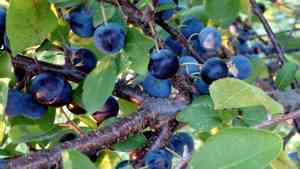
A bush indigenous to seaside areas, prized for its decorative qualities and palatable produce. Effective trimming methods for beach plum concentrate on reducing dense branches and eliminating basal shoots to foster air movement and fruit development. The most suitable time for pruning is in late spring or early summer, following the flowering period, to prevent the removal of nascent fruit buds. Pruning boosts the plant's robustness and encourages a superior fruit harvest, rendering it a crucial activity for sustaining plant well-being and output.
What Are the Benefits of Pruning Beach Plum?
What Are the Benefits of Pruning Beach Plum?
Trimming beach plum promotes abundant flowering and boosts fruit yield. Strategic branch removal improves air circulation, decreasing the likelihood of pest infestations and illnesses. It helps maintain beach plum's vitality and overall well-being.
What Is the Best Time for Pruning Beach Plum?
What Is the Best Time for Pruning Beach Plum?
Pruning beach plum is most effective during late spring and early summer, aligning with its post-flowering stage. This allows gardeners to shape the plant and manage its size without sacrificing the current year's fruit. During this period, the risk of frost damage has passed, which is crucial as pruning cuts can make beach plum more susceptible to cold. Additionally, the plant's active growth phase begins, so pruning at this time encourages healthier and more vigorous development. It offers an opportunity to remove any dead or damaged wood from winter and promotes better air circulation within the canopy, helping to prevent disease and pest issues. It is essential to avoid pruning beach plum in late summer or fall, as cuts might not heal before cold weather, increasing the risk of disease and cold damage. Pruning during the plant's dormant winter season is also not recommended for beach plum, as it can lead to the loss of the next season's flowers and fruits. This specific timing ensures the plant's vitality and productivity, aligning with its natural growth cycle and seasonal considerations.
What Tools Do I Need to Prune Beach Plum?
Hand Pruners
Perfect for making clean cuts on small stems and branches of beach plum, ensuring healthy regrowth.
Lopping Shears
These offer the extra leverage needed for branches too thick for hand pruners, typically up to 1.5 inches in diameter.
Pruning Saw
For larger branches exceeding 1.5 inches in diameter, a pruning saw ensures precise cuts without harming beach plum.
Pole Pruner
Safely reach higher branches of beach plum from the ground, reducing the need for ladders.
Hedge Shears
Excellent for shaping and maintaining the dense foliage of beach plum, allowing for even cuts across multiple stems.
Gardening Gloves
Protect hands from thorns and rough branches while working with beach plum.
Sharpener
Maintains the cutting effectiveness of tools, ensuring clean cuts for the health of beach plum.
How to Prune Beach Plum
Clean Cut
Prepare clean, sharp shears or loppers. Sterilize them to prevent disease spread while cutting through 'beach plum'.
Remove Diseased Material
Identify and remove any diseased leaves and branches from 'beach plum' using angled cuts to promote healing and avoid water accumulation.
Dead Removal
Cut away dead branches and withered leaves or flowers from 'beach plum' to encourage new growth and improve air circulation within the plant.
Thin Excess
Thin out excessive growth branches to shape 'beach plum' and ensure sunlight reaches the interior of the plant, promoting healthier fruiting.
Health Check
After pruning, inspect 'beach plum' for any remaining unhealthy or unproductive parts and remove them if necessary to maintain plant vigor.
Common Pruning Mistakes with Beach Plum
Over Pruning
Cutting back too much of beach plum's branches at once can stress the plant, potentially leading to reduced flowering and fruit production.
Improper Cut Locations
Making cuts too far from a bud or node, or too close to it, can result in poor healing and leave beach plum vulnerable to pests and diseases.
Pruning During Active Growth
Pruning beach plum when it is actively growing can lead to excessive sap loss and may attract insects that carry diseases.
Neglecting Sanitation
Failing to clean pruning tools before and after use on beach plum can spread disease between plants.
Ignoring Disease Signs
Removing healthy tissue and ignoring diseased or damaged areas can hinder beach plum's growth and health, as the disease may continue to spread.
Uneven Pruning
Pruning beach plum unevenly can lead to an imbalance in the plant's structure, affecting its stability and aesthetic appearance.
Common Pruning Tips for Beach Plum
Sharp Tools
Use clean, sharp tools to make precise cuts on beach plum, which will heal faster and reduce the risk of disease transmission.
Angular Cuts
Make cuts at a 45-degree angle about 1/4 inch above an outward-facing bud to encourage proper healing and outward growth of beach plum.
Thin Interior Branches
Remove some of the interior branches of beach plum to improve air circulation and light penetration, which will enhance fruit production and reduce disease pressure.
Cut Damaged Limbs
Regularly inspect beach plum for damaged, diseased, or dead limbs and prune them out to promote the plant's overall health and vigor.
Maintain Plant Shape
Prune beach plum to maintain its natural shape, focusing on removing only what is necessary while encouraging a strong scaffold structure that supports fruit production.
Regenerative Pruning
Perform regenerative pruning on older beach plum specimens by removing older, less productive branches to stimulate the growth of new, fruiting branches.



