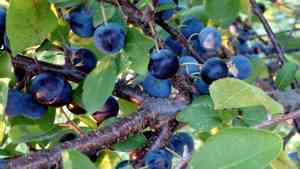
Beach plum (Prunus maritima)
Also known as: Gravesii
*Prunus maritima*, known as the beach plum, is native to the eastern coast of the United States. It bears edible fruits in various colors, including red, yellow, blue, or almost black. This plum is cultivated commercially for jam production. In Maine, the beach plum is considered endangered.
Attributes of Beach plum
Images of Beach plum
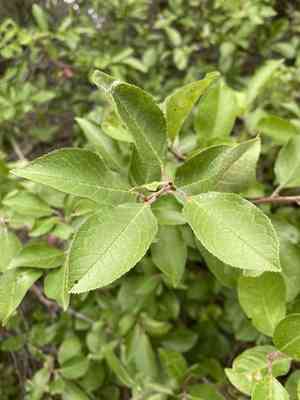
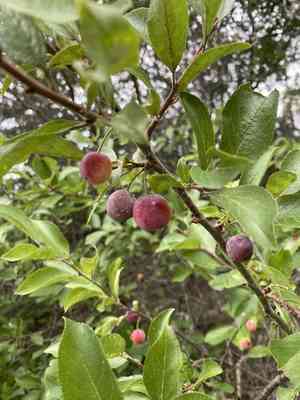
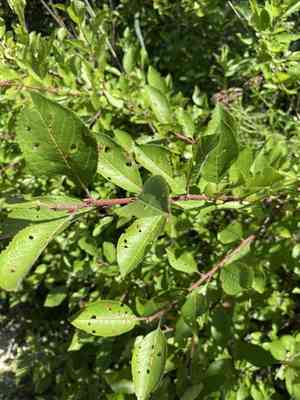
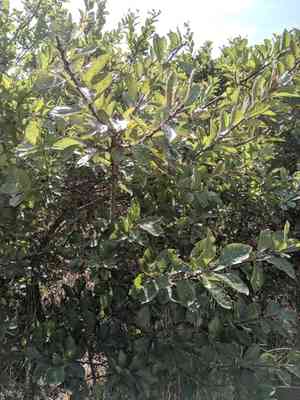
Quickly Identify Beach plum
Scientific Classification of Beach plum
Planting and Growing of Beach plum
 How to Water Beach plum?
 What Are the Sunlight Requirements for Beach plum?
 What Is the Ideal Temperature Range for Beach plum?
 What Soil is Best for Beach plum?
 How to Fertilize Beach plum?
 How to Prune Beach plum?
 How to Propagate Beach plum plant?
 How to Repot Beach plum plant?
Toxicity of Beach plum
Is Beach plum toxic to humans?
The beach plum exhibits a mild toxicity level in humans, mainly due to the consumption of its seeds. These seeds harbor hydrogen cyanide, a highly toxic compound that poses a risk of poisoning. Upon ingestion, the human body metabolizes the seeds, ultimately releasing hydrogen cyanide, which can disrupt cellular oxygen transport, resulting in various symptoms. Those who consume the seeds may encounter dizziness, headaches, nausea, and breathing difficulties. In extreme instances, seizures and even loss of consciousness can occur. While the fruit pulp of the beach plum is safe to eat and favored by many, it is crucial to exercise caution to prevent unintentional ingestion of the seeds, particularly among vulnerable groups like children who may not recognize the harmful portion.
Is Beach plum toxic to cat?
The beach plum exhibits a low level of toxicity in cats due to the presence of hydrogen cyanide in its seeds. Should a cat inadvertently consume these seeds, it may experience physical distress that requires intervention. Since ingestion is the main way poisoning occurs, it is crucial to keep cats away from the seeds. If a cat happens to ingest any portion of the beach plum, prompt veterinary assistance is vital to effectively address any harmful health impacts.
Is Beach plum toxic to dog?
The beach plum plant presents a low-level toxicity threat to dogs. Canines might unintentionally consume portions of this plant, especially its seeds, which are recognized for their toxic properties. If a dog ingests these seeds, it may exhibit symptoms like vomiting, diarrhea, abdominal discomfort, or more severe indications resembling cyanide poisoning due to the hydrogen cyanide present. It is essential for dog owners to observe their pets vigilantly and restrict access to beach plums. If a dog shows any signs of distress post-ingestion, urgent veterinary intervention is vital to guarantee swift and suitable treatment.



