Enhancing Your Garden Design with the Beach plum Plant: A Landscaping Guide
1
Beach plum provides beautiful flowers in spring and vibrant leaves in autumn, ensuring year-round appeal.
2
Sufficient sun exposure and soil that drains well are crucial for Beach plum's successful growth in your yard.
3
Pairing Beach plum with suitable companion plants can lead to a balanced and lively garden aesthetic.
Introducing Beach plum in Landscaping
Aesthetic appeal and versatility
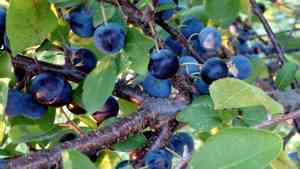
Beach plum offers significant aesthetic value and adaptability. This deciduous shrub is an excellent option for enhancing visual appeal in any outdoor space. Its compact size makes it suitable for diverse garden environments, from small urban plots to expansive properties. The striking white or pink blossoms that appear in spring are not only attractive but also draw in pollinators like bees and butterflies, boosting your garden's biodiversity. Beyond its flowers, Beach plum yields small, edible fruits that can provide an additional point of interest.
Year-round interest
A key benefit of integrating Beach plum into your landscape is its capacity to provide visual appeal throughout the year. In spring, the shrub bursts forth with beautiful blooms. As the season progresses, the flowers are replaced by vibrant green foliage, creating a lush backdrop. By autumn, the leaves transform into a spectacular display of reds, oranges, and yellows, offering a seasonal show comparable to any fall foliage. Even in winter, the shrub's structural form and branches can add a distinctive visual element to your garden.
Choosing the Ideal Location for Beach plum
Sunlight Requirements
Beach plum thrives best in full sun, meaning it should receive at least six hours of direct sunlight daily. While it can endure partial shade, full sun exposure ensures maximum flower production and fruit yield. Therefore, selecting a garden spot free from dense shade is essential. Consider planting Beach plum on the south or west side of your yard where it can benefit from the most sunlight.
Soil Conditions
For Beach plum to flourish, well-drained soil is imperative. This plant prefers sandy or loamy soil types, mimicking its natural coastal habitats. Ensuring proper drainage prevents root rot and other issues related to waterlogging. If your garden soil is heavy clay, you might consider amending it with organic matter or using raised beds. Regular soil testing will help you monitor pH levels and customize your soil amendments to maintain optimal conditions.
Incorporating Beach plum into Your Landscape Design
Design themes and concepts
Integrating Beach plum into your landscape design can follow various themes and concepts. For a coastal or beach-themed garden, Beach plum is an almost natural fit due to its origins. It can also be beautifully incorporated into a cottage garden with its informal, relaxed ambiance. Another concept is utilizing Beach plum in an edible landscape; its fruits can be harvested and used in jams, jellies, and baking. The aesthetic flexibility of Beach plum allows it to complement both modern and traditional garden designs, making it a versatile addition.
Complementary plants and layering
To create a more impactful and dynamic garden, consider pairing Beach plum with complementary plants. Layering different plant heights can add depth and visual interest to your landscape. For instance, you can plant taller shrubs or trees such as ornamental grasses or junipers behind Beach plum. In front, lower-growing perennials like lavender or creeping thyme can form an attractive border. These combinations not only enhance visual appeal but also support diverse wildlife by offering nectar, habitat, and food sources.
Maintaining Beach plum in Your Landscape
Seasonal upkeep tips
Maintaining Beach plum requires some seasonal care to ensure its health and vigorous growth. Pruning should be performed in early spring before new growth begins, removing any dead or damaged branches. Mulching around the base helps retain moisture and suppress weeds. Watering needs to be adjusted according to the season; more frequent irrigation may be necessary during dry spells in summer, while less may suffice in cooler seasons.
Long-term health and vigor
For the long-term health and vigor of Beach plum, focus on balanced fertilization. Applying a complete, slow-release fertilizer in the spring can provide essential nutrients for enhanced growth and fruiting. Regular monitoring for pests and diseases is also crucial, although Beach plum is generally quite hardy. Encouraging beneficial insects and birds can aid in natural pest control. With proper care, Beach plum can be a resilient and long-lasting feature in your landscape.



